Best Battery Life Phones Right Now
Battery capacity numbers on spec sheets have crept up steadily, but the real story behind this generation's best battery life phones is chemistry, not just raw milliamp-hour figures. Several phones in our catalog now use silicon-carbon battery cells rather than the graphite-based lithium-ion chemistry that's been standard for over a decade, and the difference shows up directly in how large a battery a phone can fit without becoming noticeably thicker or heavier.
The underlying chemistry shift is worth understanding briefly: in a traditional lithium-ion cell, lithium ions are stored in a graphite anode during charging. Silicon can theoretically store roughly ten times more lithium by weight than graphite, but pure silicon anodes swell dramatically during charging cycles and degrade quickly as a result. The "silicon-carbon" cells now shipping in flagship phones use a carefully engineered blend — a small percentage of silicon mixed into a still-mostly-graphite structure — that captures some of silicon's higher storage capacity while keeping the swelling problem manageable enough for a multi-year phone lifespan. It's an incremental engineering compromise, not a full silicon anode, but it's enough to meaningfully increase capacity within the same physical cell volume.
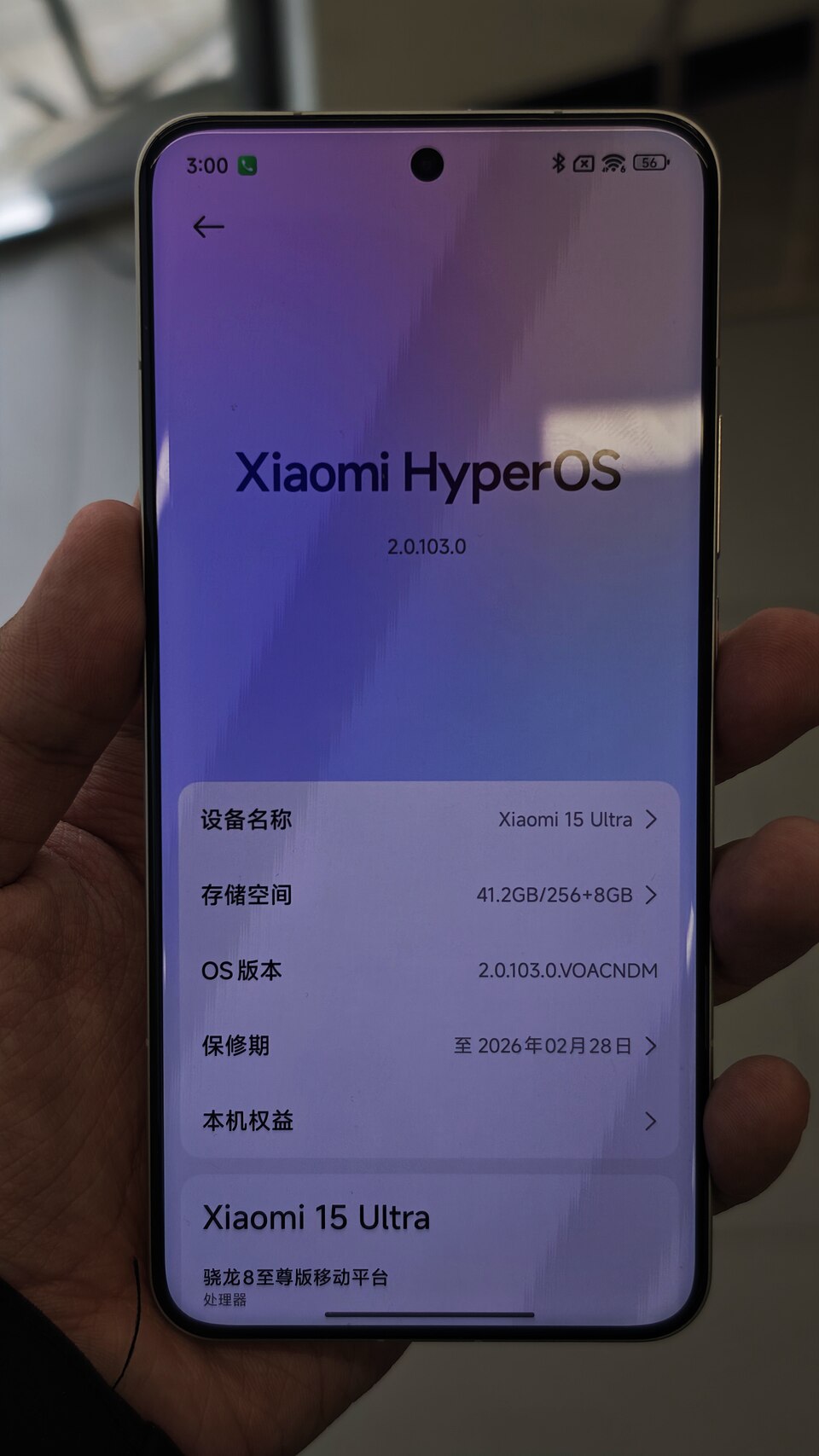
Xiaomi 15 Ultra: 6100mAh in a phone that doesn't feel oversized
The Xiaomi 15 Ultra leads the catalog on raw capacity at 6100mAh, paired with 90W wired and 50W wireless charging. Silicon-carbon anodes allow more lithium ions to be stored per unit of volume compared to older graphite anodes, which is the core reason Xiaomi can quote a 6100mAh capacity in a phone that's 8.08mm thick rather than the noticeably chunkier designs that this capacity would have required just two or three years ago.
OnePlus 13 and OnePlus 13R: near-identical capacity, different price tiers
Both the OnePlus 13 and its more affordable sibling, the OnePlus 13R, land at 6000mAh, and both benefit from OnePlus's fast-charging expertise — the OnePlus 13's 100W wired charging is among the fastest in this comparison, capable of a near-full charge in well under 40 minutes, useful specifically because it minimizes the practical downside of running a battery all the way down during a busy day. The 13R's charging is region-dependent — 55W in North America versus 80W internationally — worth checking specifically if you're importing the phone rather than buying a regional model.
Motorola Edge 60 Pro: flagship-tier capacity at a mid-range price
The Edge 60 Pro also uses a 6000mAh silicon-carbon cell, which is notable because this phone otherwise sits well below true flagship pricing. It's a reminder that silicon-carbon chemistry has moved past being an ultra-premium-only feature and is now trickling down into more accessible phones, which is good news for anyone who wants long battery life without paying flagship prices for a big chipset they don't actually need.
What matters more than the mAh number
Two phones with an identical mAh rating can deliver meaningfully different real-world screen-on time depending on display resolution, refresh rate management, and chipset efficiency. A 6000mAh battery pushing a sharp LTPO display that intelligently drops to a lower refresh rate during static content will typically outlast the same capacity paired with a fixed high-refresh panel that never throttles down. When comparing battery life claims across phones, treat capacity as a starting point rather than the full picture — the display technology and how aggressively the phone manages refresh rate in the background matter just as much for how long you'll actually go between charges.
How to read a "typical usage" battery claim
Manufacturers increasingly quote battery life in terms of a "typical day of use" figure rather than a single continuous-activity number, since it's meant to better reflect mixed real-world usage — some screen time, some standby, some camera use, a handful of notifications. These figures are still built from an internal usage model that may not match your own habits closely, particularly if you're a heavy navigation or streaming user whose screen stays on continuously for extended stretches rather than in short, spread-out bursts. Treat any single quoted battery figure, from any manufacturer, as a rough directional guide rather than a number you should expect to hit exactly.
Battery health and long-term capacity loss
All lithium-ion-based batteries, silicon-carbon included, lose some maximum capacity over repeated charge cycles — this isn't unique to any one chemistry, but the rate of degradation can differ. Manufacturers using silicon-carbon cells have generally paired them with more sophisticated battery management software specifically because the newer chemistry's degradation curve isn't identical to older graphite cells, and getting the charging curve right matters more for preserving capacity over a two-to-three-year ownership period. If you plan to keep a phone long-term, checking whether a manufacturer offers an adaptive or optimized charging mode — one that slows charging speed overnight or caps charge level below 100% when the phone predicts you won't need a full charge soon — is worth doing regardless of which phone you choose, since this software layer affects long-term battery health as much as the underlying cell chemistry does.
Standby time versus active use time
Manufacturer battery claims are almost always quoted in ideal, low-brightness, standard-refresh-rate conditions that don't reflect how most people actually use a phone throughout a demanding day. A more useful mental model is to think in terms of screen-on time rather than total hours of standby — a phone that claims 30+ hours of video playback in a lab test might realistically deliver 6-8 hours of mixed heavy use (navigation, camera, gaming, calls) between charges in the real world. All the phones discussed here will comfortably get a typical user through a full day even under moderately heavy use, but if your days regularly include hours of continuous GPS navigation or video calls, actual screen-on time estimates from independent reviews are more useful than the manufacturer's headline number.
A simple way to sanity-check any battery claim before buying is to search for independent screen-on-time results specifically, rather than relying on the number printed on the box, since third-party testers generally run more representative day-to-day workloads than a manufacturer's lab conditions do.