Best Phones for Gaming Right Now
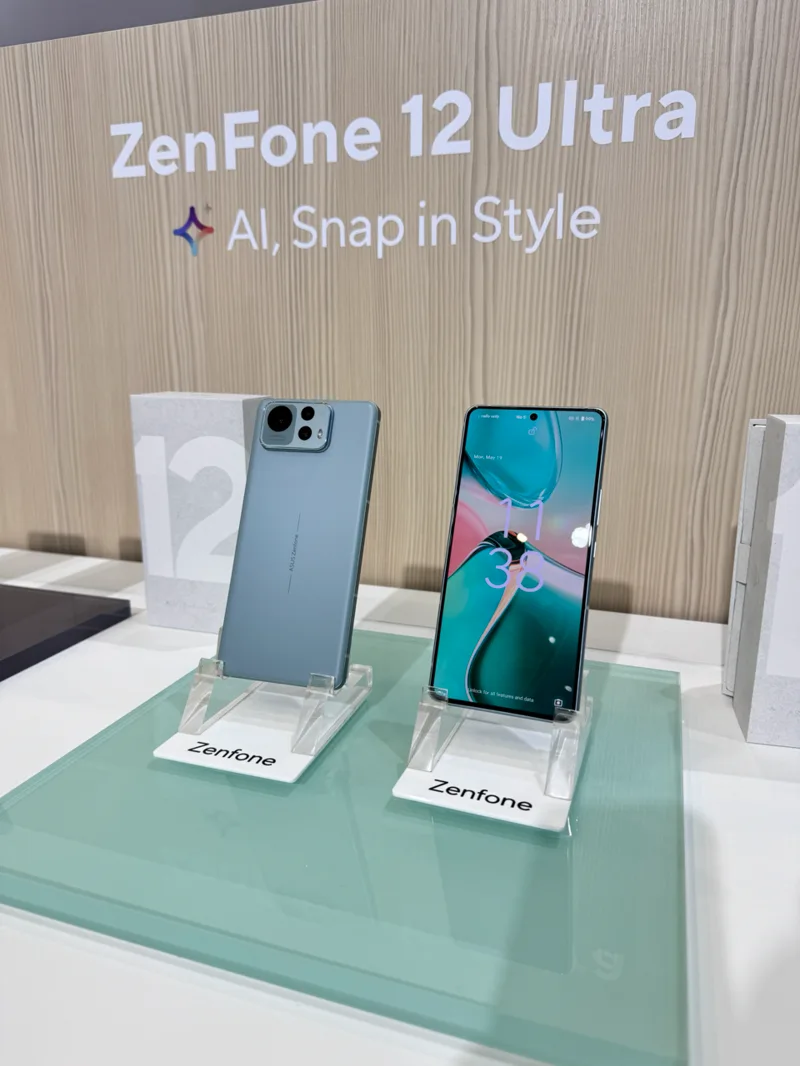
Mobile gaming has quietly become one of the more demanding day-to-day workloads a phone can run — sustained GPU load, sustained battery drain, and a real risk of thermal throttling in a way that a few minutes of scrolling social media never triggers. A handful of phones in our catalog are specifically built to handle that load better than average, and the reasons why are worth understanding before you buy based on chipset name alone.
The mistake most buyers make is shopping for a gaming phone the same way they'd shop for any other phone: checking the chipset name and the megapixel count, then stopping there. Gaming performance depends far more on factors that never appear on a spec sheet at all — how much surface area the internal cooling system has to dissipate heat, how the manufacturer tunes power delivery under sustained load, and whether the touch sampling rate stays consistent when the GPU is under heavy strain. None of that shows up in a marketing bullet point, which is exactly why two phones with the same processor can deliver noticeably different real gaming experiences.
ASUS Zenfone 12 Ultra: the sleeper pick
The Zenfone 12 Ultra doesn't market itself primarily as a gaming phone, but its spec sheet reads like one. It pairs the Snapdragon 8 Elite with an Adreno 830 GPU and a 144Hz refresh rate mode specifically for games — well above the 120Hz cap most flagships use even in gaming-focused modes. At 220g it's on the heavier side, which in gaming phones is usually a sign of a bigger battery and beefier internal cooling rather than a design flaw; a 5500mAh cell backs that theory up, giving it real headroom for long sessions.
OnePlus 13: raw headroom via RAM and charging
The OnePlus 13 approaches gaming from a different angle: massive RAM configurations up to 24GB mean more of a game's assets and background processes can stay resident in memory, reducing the stutter that happens when a phone has to swap data in and out during a loading screen. Its 100W charging is arguably more relevant to gamers than most buyers — a 15-minute top-up between matches recovers a meaningful chunk of a 6000mAh battery, which matters when a gaming session has already been draining the phone faster than normal use would.
Motorola Edge 60 Pro: MediaTek's gaming-tuned silicon
Not every gaming-capable phone runs a Snapdragon chip. The Edge 60 Pro uses MediaTek's Dimensity 8350 Extreme, a 4nm chip that MediaTek specifically bins and tunes for sustained performance rather than peak burst scores — the kind of chip characteristic that matters far more in a 45-minute gaming session than in a synthetic benchmark that runs for 30 seconds. Its 6000mAh silicon-carbon battery and 120Hz P-OLED display round out a spec sheet that punches above its price point for anyone gaming on a tighter budget.
What actually matters for sustained gaming performance
Peak benchmark numbers are the least useful spec for judging a gaming phone, because almost every current flagship chip can hit an impressive peak for a few seconds. What separates a good gaming phone from a great one is how much of that peak performance survives 20-30 minutes of continuous load without the chip throttling to avoid overheating — a property that depends on the physical vapor chamber or graphite sheet cooling inside the chassis, not on the chip's name. Weight and battery capacity are the two specs you can actually check before buying that correlate reasonably well with sustained performance: heavier phones generally have room for bigger batteries and bigger cooling systems, which is exactly the pattern you see across the Zenfone 12 Ultra, OnePlus 13, and Edge 60 Pro.
One more practical tip: independent review outlets that run sustained stress-test benchmarks (rather than a single quick pass) are a far better source for judging real gaming performance than a manufacturer's own marketing claims. Look specifically for reviews that mention "throttling" or "sustained performance" test results rather than just a peak benchmark score, since that distinction is exactly what separates marketing numbers from the experience you'll actually get 20 minutes into a demanding game.
Display refresh rate and touch response matter more than people realize
A high refresh rate display is only half the equation for competitive or fast-paced gaming — touch sampling rate, how frequently the screen checks for a finger's position and pressure, matters just as much for how responsive a game actually feels. The Zenfone 12 Ultra's dedicated 144Hz gaming mode typically pairs an elevated touch sampling rate alongside the higher refresh rate specifically during gaming sessions, since running both at maximum all the time would meaningfully hurt battery life during normal, non-gaming use. This is why some phones ship separate "gaming mode" toggles rather than simply running at their peak specs constantly — it's a deliberate tradeoff between response time and battery longevity that only matters when you're actually playing.
Storage and RAM headroom for modern games
Modern mobile games have grown considerably in install size, with many major titles now regularly exceeding 5-8GB and sometimes requiring additional downloadable content on top of that. This is another area where the OnePlus 13's up-to-24GB RAM configuration and fast UFS 4.0 storage genuinely help, since a phone juggling a large installed game alongside background apps like a music player, a chat app, and a voice call overlay needs both fast storage and generous memory to avoid stutter when switching between them mid-session — a scenario that comes up constantly in real mobile gaming but rarely in a synthetic benchmark run.
Cooling accessories: when to consider one
None of the three phones discussed here ship with active cooling built in, but all three support external clip-on cooling fans as accessories, common in competitive mobile gaming circles. If you play graphically demanding titles for genuinely long sessions — 1-2 hours at a stretch rather than short bursts — a clip-on fan can meaningfully extend how long a phone sustains its peak clock speeds before thermal throttling kicks in, since it's addressing the actual bottleneck (heat dissipation) rather than anything the chipset itself can solve through software tuning alone.