Best Zoom Cameras: Periscope Telephoto Phones Compared
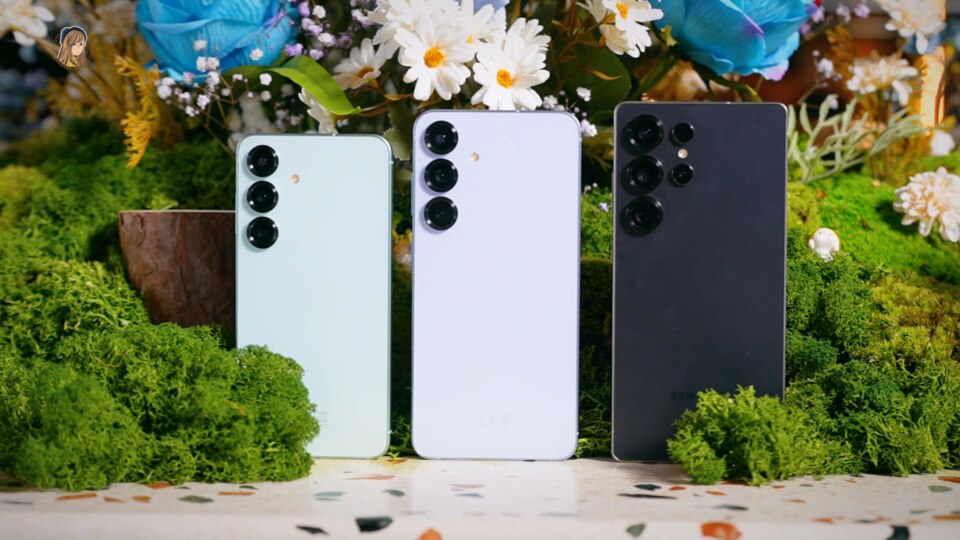
Optical zoom remains one of the clearest ways phone cameras differentiate themselves from each other, since it's a hardware capability that software processing can't fully replicate — no amount of computational sharpening recovers detail that a longer physical lens captured optically in the first place. Here's how the periscope and telephoto systems across our catalog actually compare, since "has a zoom camera" hides enormous differences in real capability.
A quick primer on why periscope lenses exist at all: a phone's thin chassis doesn't have room for a traditional long telephoto lens mounted straight behind the camera glass, the way a DSLR or mirrorless camera lens works. Periscope designs solve this by mounting the lens elements sideways inside the phone and using a prism or mirror to bend the light path 90 degrees, letting manufacturers fit a physically longer optical path — and therefore genuine optical zoom rather than pure digital cropping — into a chassis that's often under 9mm thick.
Samsung Galaxy S25 Ultra: dual telephoto, the most flexible zoom range
The Galaxy S25 Ultra is the standout here, pairing a 50MP telephoto at 3x optical zoom with a second 10MP telephoto at 5x optical zoom — a dual-telephoto setup that most competitors don't match. This gives the S25 Ultra genuine optical coverage across a wider zoom range than a single-telephoto phone can offer; anything between 3x and 5x, and beyond 5x using digital zoom from that second lens, tends to hold up better than phones relying on a single telephoto stretched digitally across the same range.
Google Pixel 10 Pro: resolution over reach
The Pixel 10 Pro takes a different approach with a single 48MP telephoto at 5x optical zoom — the same zoom multiplier as the S25 Ultra's secondary lens, but with far more resolution to crop into for extended digital zoom beyond that native 5x point. Google's computational photography pipeline has historically been very strong at extending a single telephoto's useful range through software, so this is a legitimate alternative strategy to Samsung's dual-lens hardware approach rather than a worse one — it's a different bet on where the zoom quality should come from.
OnePlus 13: periscope zoom at a more attainable price
The OnePlus 13 includes a 50MP periscope telephoto at 3x optical zoom, matching the Galaxy S25 Ultra's shorter telephoto reach at a significantly lower price point than Samsung's flagship. If 3x-range zoom (portraits, moderate-distance subjects) covers most of your actual use case rather than very long-distance zoom shots, the OnePlus delivers a very similar practical result for meaningfully less money.
ASUS Zenfone 12 Ultra: the gimbal-stabilized alternative
The Zenfone 12 Ultra pairs a 32MP telephoto at 3x zoom with something more unusual: mechanical gimbal stabilization on its main camera rather than purely electronic image stabilization. While this doesn't directly extend zoom range, it meaningfully affects handheld zoom photography specifically, since camera shake becomes proportionally more visible the further you zoom in — a gimbal-stabilized system can hold a frame steadier at moderate zoom levels than electronic stabilization alone typically manages.
Choosing based on how you actually use zoom
If you regularly shoot distant subjects — wildlife, events from the back of a venue, architecture across a street — the Galaxy S25 Ultra's dual-telephoto range covers more real-world scenarios than any single-lens competitor here. If your zoom use is mostly portraits and moderate framing adjustments rather than true long-distance shots, the OnePlus 13 or Pixel 10 Pro will serve you just as well for meaningfully different money, and the specific lens count matters far less than most spec sheets suggest.
Sensor size matters as much as lens design
Megapixel count on a telephoto lens is only part of the story — the physical size of the image sensor behind that lens has an enormous effect on final image quality, particularly in anything other than bright daylight. A larger sensor captures more light per pixel, which directly translates to less visible noise and better dynamic range in a zoomed shot. Manufacturers rarely publish sensor size prominently in marketing materials the way they publish megapixel counts, which means two telephoto cameras with identical megapixel numbers can produce meaningfully different real-world image quality purely based on sensor size differences that never appear in a basic spec comparison table.
Unfortunately, sensor size is one of the harder specs to find published clearly for phone camera systems, so cross-referencing independent camera review samples — ideally shot in similar lighting conditions across the phones you're comparing — remains the most reliable way to judge this in practice.
Where optical zoom quality actually falls apart: low light
Every phone's telephoto performance degrades in low light more sharply than its main camera does, and this is true regardless of brand or price tier. Telephoto lenses inherently gather less light than a wider main lens of similar sensor size, since the same amount of light gets spread across a narrower field of view relative to the sensor. This is why comparing zoom cameras purely in bright daylight sample photos can be misleading — the real differentiator between a good and a mediocre telephoto system often only becomes obvious once you try shooting a zoomed photo indoors or at dusk, where computational noise reduction has to work much harder and image quality gaps between phones widen considerably.
Digital zoom beyond the optical range
Every phone here can push zoom further than its native optical range through digital cropping and AI-assisted upscaling, and manufacturers often market these extended digital zoom figures prominently (sometimes as high as 30x or more) alongside the true optical numbers. Treat these extended figures as a secondary consideration at best — image quality drops off meaningfully once you're relying on digital rather than optical zoom, and the phones with the most resolution to spare in their telephoto sensor (the Pixel 10 Pro's 48MP telephoto being the clearest example here) will generally hold up best when pushed past their native optical zoom point, since there's simply more raw pixel data available to crop into before quality visibly degrades.