Fastest Charging Phones You Can Buy Right Now
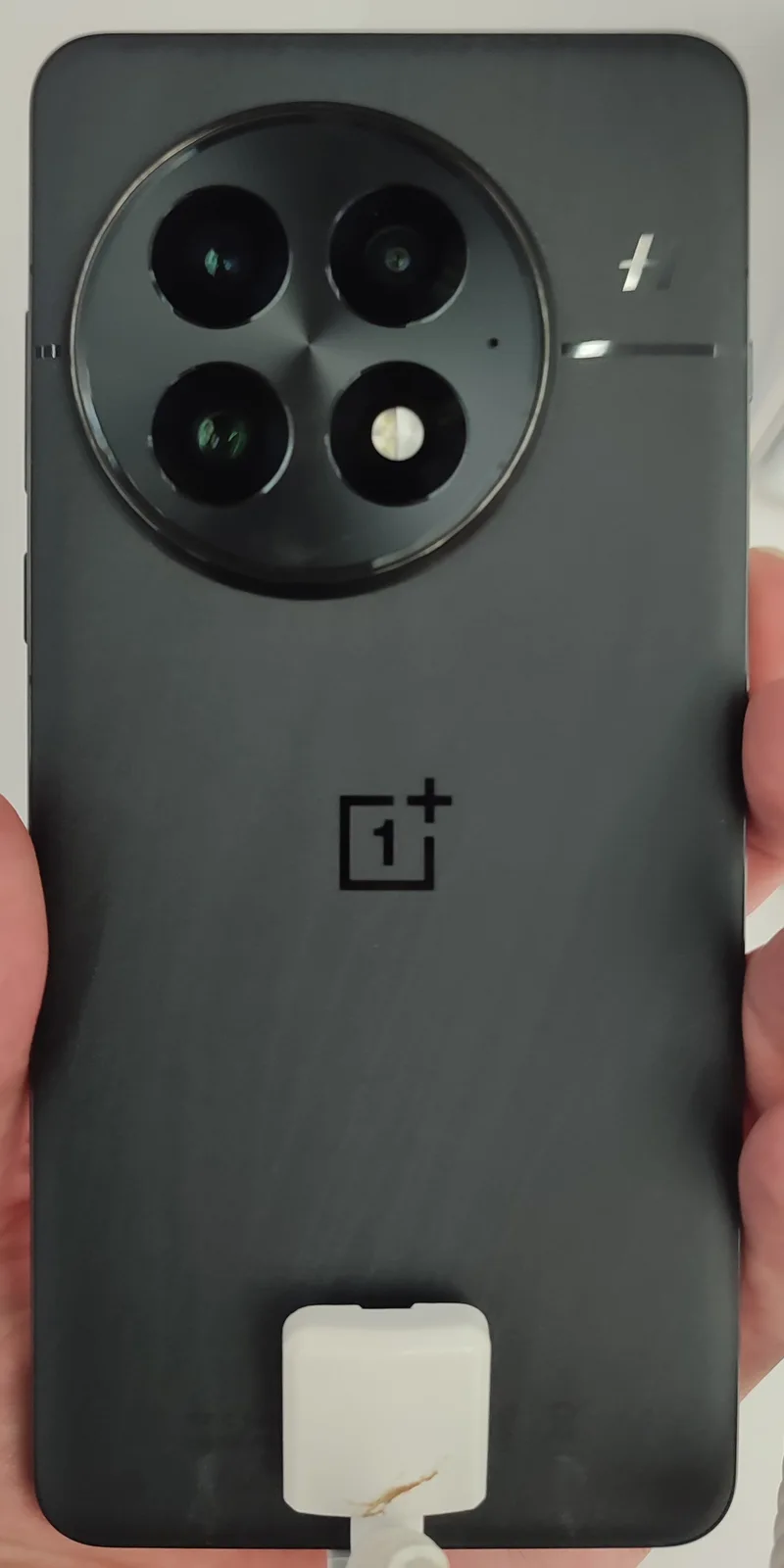
Charging speed is one of the few smartphone specs where the difference between phones is large enough to notice in a single day of ownership — the gap between a phone that fully recharges in 25 minutes and one that takes 90 minutes is the difference between topping up during a coffee break and needing to plan your day around an outlet. Here's how the fastest-charging phones in our catalog actually compare.
It's worth noting that wattage numbers on a spec sheet describe the charger's maximum output, not a constant rate sustained across the entire charge. Every phone charges fastest in the first 10-15 minutes, then gradually tapers its charging current as the battery fills, a safety and longevity measure built into essentially all modern lithium-ion charging controllers. A phone advertising "100W charging" is typically only pulling that peak wattage for a brief window near the start of a charge from very low battery, not for the entire session — which is why the more useful real-world number is total time-to-full rather than peak wattage alone.
OnePlus 13: 100W wired charging
The OnePlus 13 leads this comparison with 100W wired charging, which OnePlus pairs with its 6000mAh silicon-carbon battery to claim a near-complete charge in well under 40 minutes from empty. It also supports 50W wireless charging, itself faster than many competitors' wired charging speeds from just a few years ago — a genuinely useful option if you use a wireless charging pad on your desk during the workday rather than plugging in directly.
Xiaomi 15 Ultra and Motorola Edge 60 Pro: the 90W tier
Both the Xiaomi 15 Ultra and Edge 60 Pro charge at 90W wired, a small step behind OnePlus but still dramatically faster than the charging speeds Apple and Samsung ship as standard. The Xiaomi 15 Ultra pairs this with 50W wireless charging, matching OnePlus on the wireless side despite the small gap in wired speed — useful if wireless charging is your primary daily habit rather than an occasional convenience.
OnePlus 13R: charging speed depends on your region
The OnePlus 13R is a reminder that charging wattage isn't always a fixed global spec — it ships with 55W wired charging in North America but 80W internationally, a regulatory and hardware difference tied to regional charger standards. If charging speed is a priority and you're considering an imported unit, this is worth confirming for your specific region before buying.
Why Apple and Samsung lag here — and whether it matters
Neither the iPhone 17 nor the Galaxy S25 Ultra compete on raw charging wattage — Apple's iPhone lineup tops out well under 50W with its fastest MagSafe and wired combinations, and Samsung's flagships have historically stayed conservative on wattage too. Both companies generally argue that slower, more conservative charging curves protect long-term battery health better than very high wattage charging does, and there's real chemistry behind that argument: higher charging currents generate more heat, and heat is the single biggest accelerant of lithium-ion battery degradation over a phone's multi-year lifespan. Whether that tradeoff is worth it depends on your priorities — if you plan to keep a phone five years, a slower charging curve may genuinely preserve more battery health; if you replace phones every two years and value convenience today, the OnePlus and Xiaomi charging speeds are hard to argue against.
Charging speed and battery degradation: is fast charging bad for your battery?
This is one of the most persistent myths in phone charging, and the honest answer is "it's complicated." Very high charging currents do generate more heat than slower charging, and heat is the primary driver of long-term lithium-ion capacity loss. However, manufacturers pushing 90-100W charging speeds have generally built increasingly sophisticated charge-management chips directly into the phone specifically to manage this — throttling current, monitoring cell temperature in real time, and adjusting the charging curve dynamically rather than blindly pushing maximum wattage the whole way through. In practice, a well-engineered 100W charging system with good thermal management may not meaningfully out-degrade a poorly managed 30W system over a typical two-to-three-year ownership period, which is why this specific comparison matters less than manufacturer reputation and charging software quality.
Wireless charging is catching up to wired
It's easy to overlook, but wireless charging speeds have improved dramatically alongside wired speeds. The OnePlus 13's 50W wireless figure would have been an impressive WIRED speed just five or six years ago, and it means the practical gap between "plugged in" and "on a wireless pad" has narrowed to the point where many owners now leave their phone on a wireless charging stand at their desk all day rather than bothering with a cable at all, something that wasn't really a realistic full-time option until wireless wattage climbed into this range.
What charger you actually need in the box
None of the phones in this comparison ship a charging brick in the box anymore — a now-standard industry practice that started with Apple and spread across essentially every major manufacturer. To hit a phone's maximum rated charging speed, you need a compatible charger rated at or above that wattage, using the correct fast-charging protocol (OnePlus and Xiaomi both use proprietary fast-charging standards for their fastest speeds, which a generic USB-C charger won't unlock — you'll get standard USB Power Delivery speeds instead, noticeably slower). If charging speed is a major factor in your buying decision, budgeting for the manufacturer's own charger, rather than assuming any USB-C brick will do, is worth factoring into the total cost.
It's a small extra expense to plan for, but skipping it is the single most common reason buyers end up disappointed that their new "100W" phone doesn't seem to charge any faster than their old one did. Check the manufacturer's own accessory page for the exact charger model and wattage the phone was designed around before assuming any charger you already own will unlock the advertised speed. Third-party chargers from reputable brands that explicitly list compatibility with your phone's fast-charging protocol are a reasonable alternative to the first-party charger if you'd rather not buy directly from the phone manufacturer.