Nothing Phone (3) vs OnePlus 13R: Budget Flagship Showdown
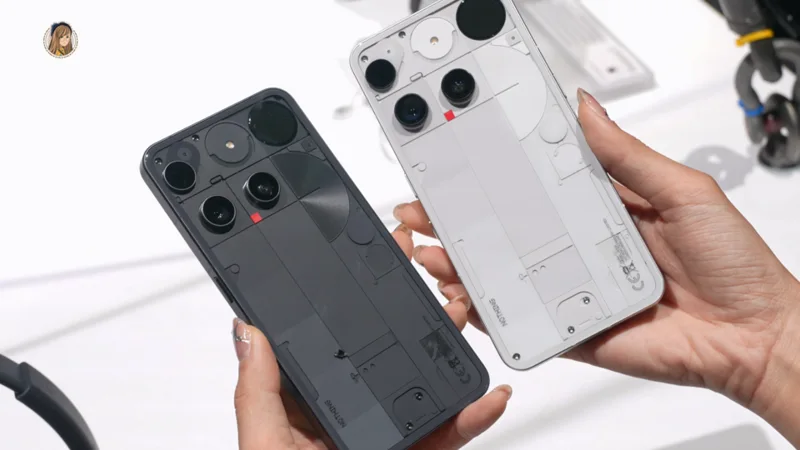
The "affordable flagship" category has gotten genuinely competitive, and two phones worth putting side by side are the Nothing Phone (3) and the OnePlus 13R. Both target buyers who want most of a true flagship experience without paying true flagship prices, but they arrive at that goal from different directions.
This category exists because true flagship pricing has crept up substantially over the past several years, pushing genuinely high-end phones well past what many buyers are willing to spend regardless of features. Both Nothing and OnePlus (through its "R" sub-brand) have built entire product strategies around identifying which flagship features actually matter to most buyers day-to-day and which ones are comparatively skippable, then cutting cost specifically from the latter category rather than trimming evenly across the whole spec sheet.
Chipset: a real generational gap
This is the single biggest difference between the two phones. The Nothing Phone (3) runs a Snapdragon 8s Gen 4, a chip specifically positioned a tier below Qualcomm's flagship-grade Snapdragon 8 Elite that powers the OnePlus 13R. In practical terms this means the OnePlus 13R will handle demanding games and heavy multitasking noticeably more comfortably over the long term, even though both phones will feel similarly fast for everyday tasks like browsing and messaging on day one.
Display and design philosophy
The Nothing Phone (3) sticks with a 20:9 aspect ratio display at 1260x2800, a fairly conventional spec sheet — but Nothing's actual differentiator has always been industrial design, with a distinctive transparent-influenced aesthetic that stands out in a market where most phones look nearly identical from the front. The OnePlus 13R takes a more traditional approach with a 6.78in LTPO AMOLED ProXDR panel at 2780x1264 and 120Hz — LTPO technology that the Nothing Phone (3) doesn't include, meaning the OnePlus can more intelligently drop its refresh rate for battery savings during static content.
Camera hardware
The Nothing Phone (3) uses a triple 50MP rear camera setup, a strong resolution figure across the board even if the individual lens specializations aren't as clearly documented as competitors. The OnePlus 13R counters with a more clearly differentiated setup: a 50MP main sensor with OIS, a 50MP telephoto capable of 2x zoom, and an 8MP ultrawide — a more conventional three-lens flagship layout with a dedicated zoom lens, which the Nothing Phone (3) doesn't clearly offer in the same configuration.
Battery and charging
Both phones land in a similar place at 5150mAh (Nothing Phone 3, international variant) versus 6000mAh (OnePlus 13R) — a real gap in raw capacity in OnePlus's favor. Charging tells a similar story: the Nothing Phone (3) charges at 65W wired with 15W wireless, solid but not exceptional, while the OnePlus 13R reaches 55-80W depending on region, generally the faster option even at its slower regional configuration.
The verdict
If chipset performance, battery capacity, and a more conventional but very well-executed camera system matter most, the OnePlus 13R is the stronger all-around spec sheet at a similar price point. If you specifically value distinctive industrial design and are willing to trade a chipset generation for a phone that doesn't look like everything else on the market, the Nothing Phone (3) remains a legitimate — if narrower — recommendation.
Build quality and in-hand feel
Beyond raw specs, both phones are well-regarded for build quality at their respective price points, but they achieve it differently. The Nothing Phone (3) leans on its distinctive transparent-influenced rear design as both an aesthetic statement and a genuine point of tactile interest, while the OnePlus 13R follows a more conventional glass-and-metal sandwich construction that prioritizes a familiar, premium-feeling in-hand experience over visual distinctiveness. Neither approach is more "premium" in an objective sense — it comes down to whether you value a phone that looks different from the crowd or one that feels reassuringly familiar.
Software philosophy is a genuine differentiator here too
Beyond hardware, these two phones represent different software philosophies worth weighing. Nothing OS is built around a deliberately minimalist, monochrome aesthetic with custom widgets and a distinct visual identity layered over Android — a genuine point of differentiation for buyers tired of every Android phone looking and feeling identical once you're past the home screen. OxygenOS, which powers the OnePlus 13R, has historically prioritized closer-to-stock Android behavior with performance-focused tweaks rather than a strong visual identity of its own. Neither approach is objectively better, but it's a meaningfully different day-to-day experience that a spec sheet comparison alone won't capture, and it's worth spending time with both in person if a store near you carries them.
Resale value and long-term ownership
OnePlus has a longer track record in the affordable-flagship space and a somewhat more established resale market as a result, which can matter if you plan to sell or trade in a phone after two to three years. Nothing is a newer company, and while its distinctive design has built a genuinely loyal following, its resale market is comparatively less mature. This isn't a reason to avoid the Nothing Phone (3) if its design and software genuinely appeal to you more, but it's a practical factor worth weighing if getting strong resale value back at upgrade time is part of your buying calculation.
Both companies have improved their long-term support track records considerably over the past several years, so neither should be considered a risky long-term ownership choice purely on the basis of company maturity today. Ultimately, the right call between these two comes down to which tradeoff bothers you less: a chipset generation behind, or a more conventional design and software identity — both are real compromises, but neither is a dealbreaker at this price tier. Whichever you choose, both phones represent genuinely strong value in a category that's become far more competitive, and better than either, than the affordable-flagship segment offered just a few years ago. Test both in person if you can before deciding — the in-hand feel and software experience differences between these two are large enough that a spec sheet alone won't tell you which one you'll actually prefer to use every day.