Google Pixel 10 Review: The Pro Features Google Didn't Take Away
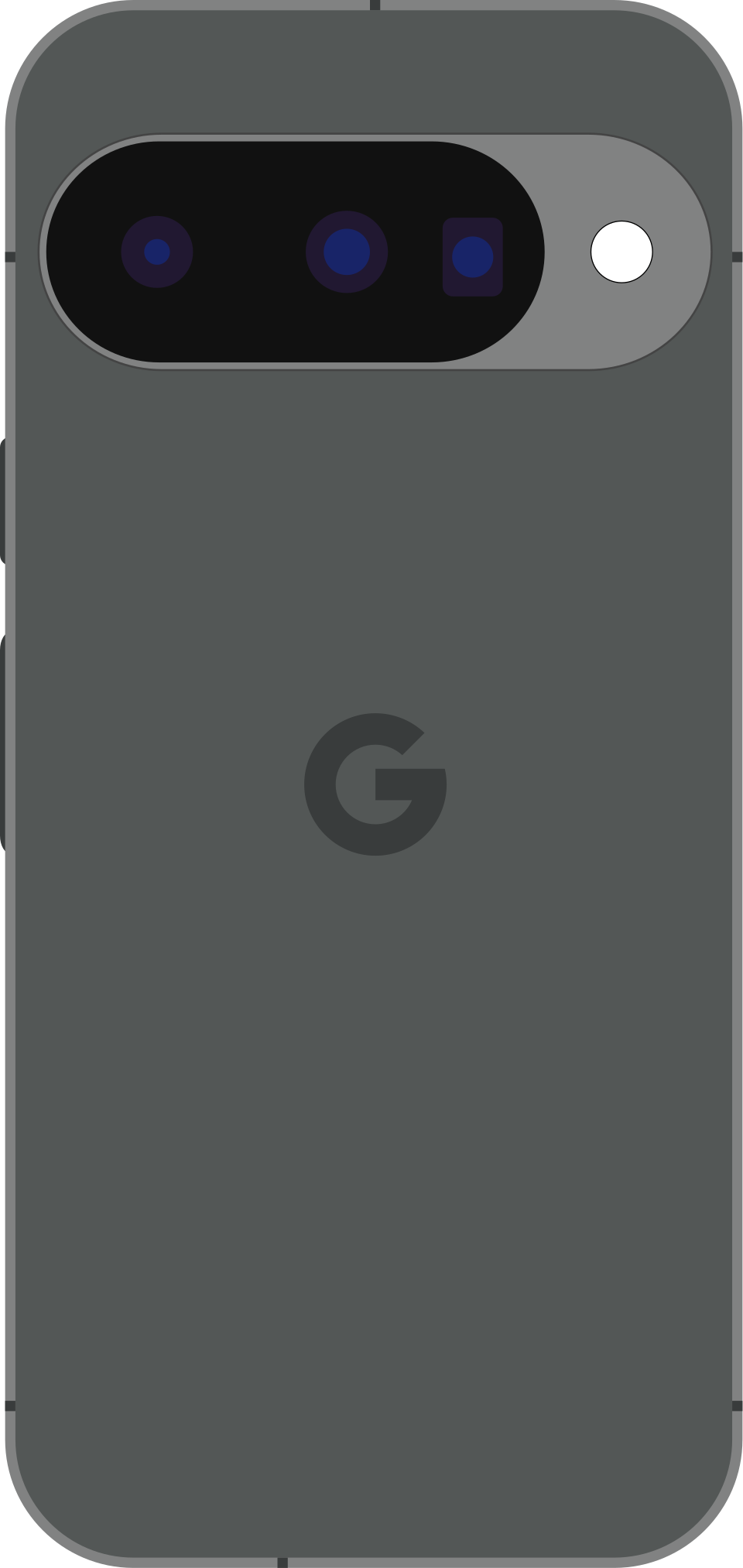
Google has historically drawn a sharper line between its base Pixel and Pixel Pro models than Apple or Samsung do between their own tiers — often reserving the best camera hardware and a couple of headline software features for the Pro alone. The Pixel 10 narrows that gap more than any base Pixel before it, and the result is a phone that feels less like the "budget Pixel" and more like a genuinely different flavor of flagship.
Design and Display
The Pixel 10 carries forward Google's now-familiar camera-bar design, wrapped around a compact-by-flagship-standards body that's genuinely one of the easier large-screen phones to use one-handed. The OLED display is sharp, punchy, and runs at a smooth high refresh rate that makes everyday scrolling feel effortless. Google has also improved outdoor visibility over prior generations, so the screen holds up better in direct sunlight than it used to.
Performance and Google's AI Stack
Powered by Google's own custom silicon, the Pixel 10 is tuned less around raw benchmark supremacy and more around making Google's on-device AI features run smoothly and instantly — and that's arguably the phone's real headline. Real-time call screening, on-device transcription, the "Magic" family of photo-editing tools (removing unwanted objects, adjusting composition after the fact, generating alternate versions of a shot), and Gemini-powered assistant features all run locally without the lag you'd get waiting on a cloud round-trip on other phones. For everyday app use — messaging, browsing, social apps, light gaming — the Pixel 10 feels smooth and responsive; it's only in the most demanding 3D games that you'd notice it's not chasing the same peak numbers as a gaming-focused flagship.
Cameras
This is where the Pixel 10 makes its strongest case against Google's own Pro model. The main sensor is excellent — Google's computational photography pipeline remains one of the best in the business at producing natural-looking HDR shots straight out of the camera app, with realistic skin tones and well-controlled highlights even in tricky backlit scenes. Night mode photography is a particular strength, pulling detail out of near-dark scenes that would be a noisy mess on many competing phones. The one clear gap versus the Pixel 10 Pro is telephoto reach — the Pro's dedicated zoom lens goes noticeably further with less quality loss, so if long-range zoom is a priority, that's the real reason to pay more.
Battery Life
Battery life is solid rather than exceptional — a full day of typical use is comfortable, but heavy users running GPS navigation, streaming video, or gaming for extended periods will want a mid-afternoon top-up. This tracks with most Android flagships in this size class rather than being a specific weakness of this phone.
Build Quality and Durability
Google has steadily improved the physical build quality of the Pixel line, and the Pixel 10 continues that trend with a solid, well-fitted aluminum frame and a back glass finish that resists fingerprints reasonably well. Water and dust resistance is rated to a level suitable for everyday accidents (rain, a splash at the sink, being dropped in a shallow puddle), though as with any phone, it's not a substitute for a case if you're genuinely accident-prone. The in-hand feel is more substantial than some competitors' plastic-backed mid-range offerings, which reinforces that this really is a flagship-tier device rather than a cost-cut variant wearing a Pixel badge.
Comparing to the Competition
Against the iPhone 17 at a similar price point, the two phones split along predictable lines: the Pixel wins clearly on AI-driven software features and computational photography flexibility, while the iPhone tends to have the edge in video recording consistency and long-term update guarantees. Against Samsung's equivalent Galaxy S-series tier, the Pixel 10 generally offers a cleaner, less cluttered software experience with fewer duplicate apps and settings menus, though Samsung's camera hardware often edges ahead specifically in zoom range. Which of these matters more depends entirely on what you actually do with your phone day to day — there's no universally "correct" answer among this trio.
Software Support
As a Pixel, this phone gets Google's own updates first, and Google has committed to an extended multi-year window of both OS and security updates — among the longest support commitments in the Android world, closing much of the gap that used to exist between Pixel and iPhone in this respect.
Everyday Software Touches That Add Up
Beyond the headline AI features, the Pixel 10's software includes a long list of smaller conveniences that Google has refined over several generations: an excellent notification and Do Not Disturb system that's smarter about what actually deserves to interrupt you, a genuinely useful "Hold for Me" style call-waiting feature, and tight integration with Google's own ecosystem of apps (Photos, Maps, Assistant) that Android skins from other manufacturers can't fully replicate since they're layered on top of, rather than built by the same team as, the OS itself. For anyone already deep in Google's ecosystem — Gmail, Google Photos, Google Drive — the Pixel 10 simply feels more cohesive day to day than a Samsung or other Android phone running the same underlying OS with a different interface on top.
Verdict
The Pixel 10 is the rare "base model" that doesn't feel like Google's B-team effort. Unless you specifically need the Pro's longer zoom lens, the standard Pixel 10 delivers nearly all of what makes Pixel phones distinctive — the AI features, the excellent everyday camera, the clean software — for less money. It's an easy recommendation for anyone shopping in the Android flagship space who values smart software over spec-sheet bragging rights, and for a lot of buyers it will make the more expensive Pro model feel like an unnecessary upgrade rather than an obvious one, especially once you factor in how much of the Pro's premium is spent on a zoom lens most people will rarely use. For anyone weighing this purchase against an iPhone or a Samsung Galaxy flagship, the Pixel 10 genuinely deserves a spot on your shortlist, particularly if you already rely heavily on Google's apps and services in your daily life and want a phone that was built by the same company as the software running on it.