What Is UFS 4.0 and 4.1 Storage? Why It Matters in Your Next Phone
Storage generation is one of the least-marketed specs on a phone's box, buried well below chipset, camera megapixels, and battery capacity — yet it has a real, noticeable effect on how a phone performs once you start actually filling it up. Several phones in our catalog use the current UFS 4.0 or 4.1 standard, and understanding what that generation number actually means is worth five minutes before your next upgrade.
Part of why this spec gets so little attention is that it's genuinely hard to market — "faster storage" doesn't photograph well in an advertisement the way a camera lens or a colorful new finish does, and the benefit is invisible until you're specifically doing a large file operation. That doesn't make it a minor spec, though; storage speed is one of the few components in a phone that you interact with, indirectly, in almost every single thing you do with the device, from how quickly apps launch from a cold state to how long a software update takes to install.
What UFS actually is
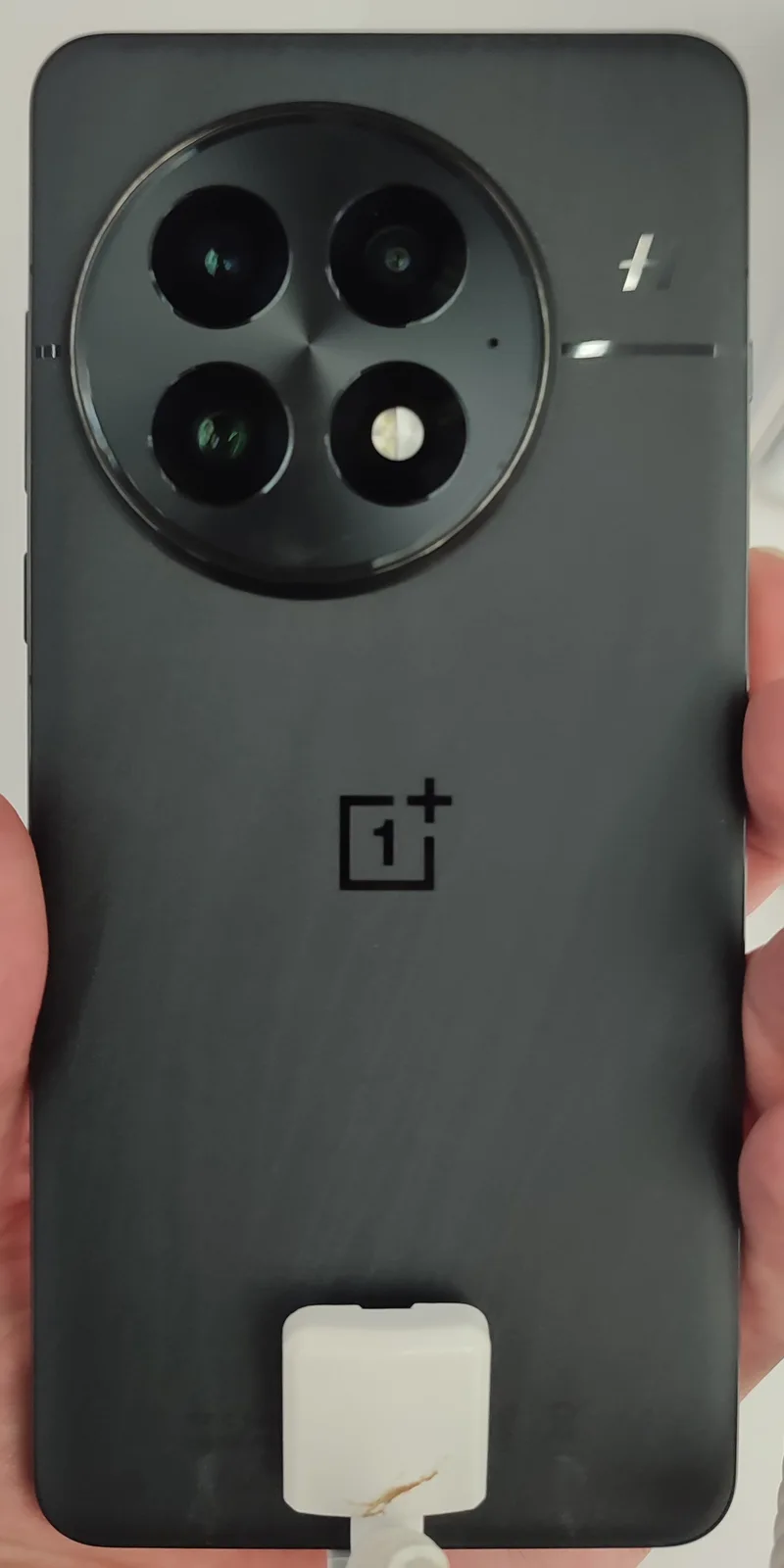
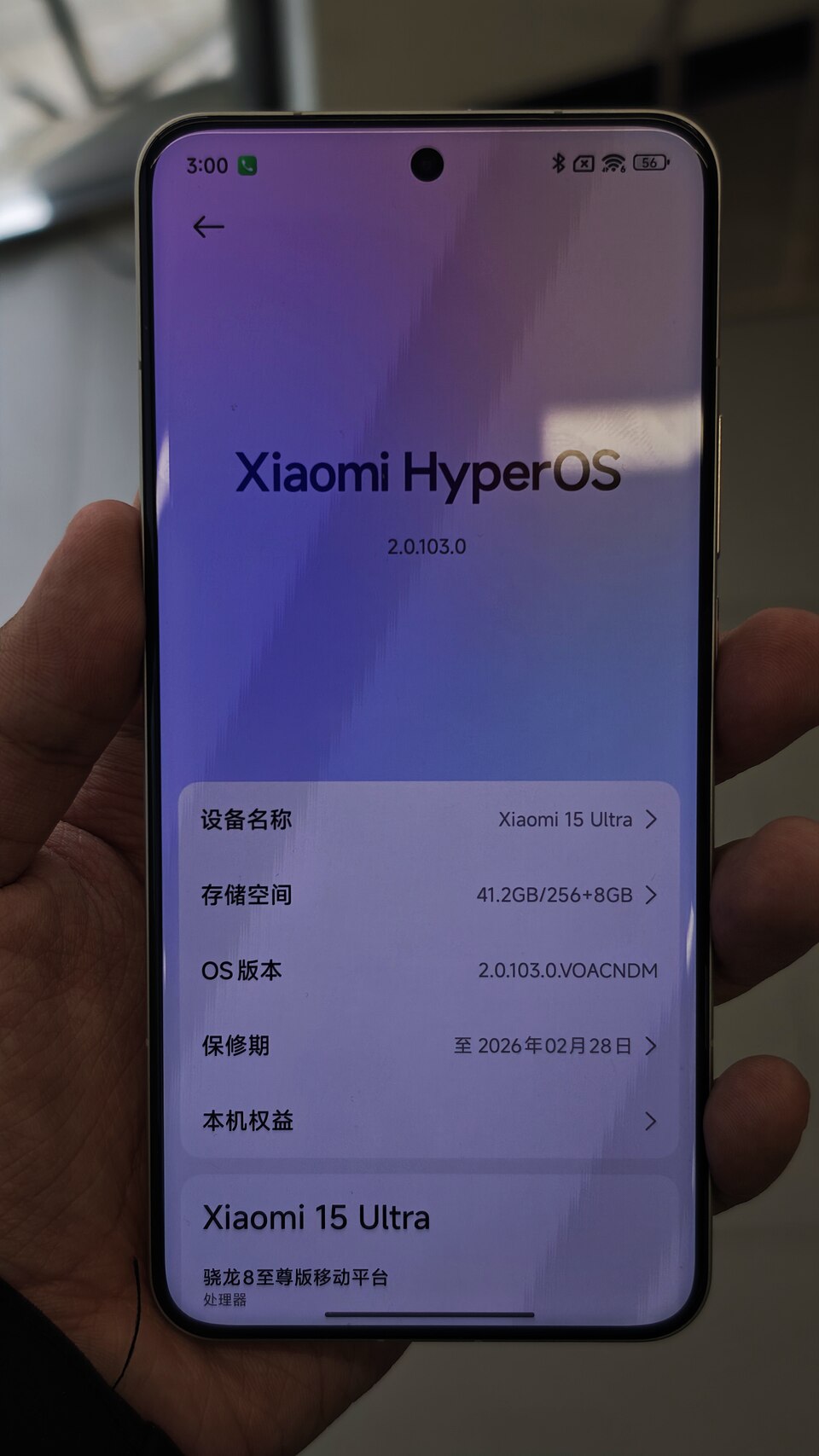
UFS, or Universal Flash Storage, is the interface standard that connects a phone's flash memory chip to its processor — the same conceptual role that SATA or NVMe plays in a laptop's SSD. Each new UFS generation roughly doubles the theoretical maximum sequential read and write speed over its predecessor. UFS 4.0, used in the OnePlus 13 and the Zenfone 12 Ultra, and UFS 4.1 in the Xiaomi 15 Ultra's higher-capacity configuration, represent the current top tier — a meaningful jump from the UFS 3.1 that many mid-range phones, and some flagships from just a couple of years ago, still ship with.
Where you'll actually notice the difference
Sequential read/write speed rarely matters for opening a messaging app or browsing social media — those workloads are small and bursty, not the kind of task that benefits from raw throughput. Where UFS generation genuinely shows up is large, sustained file operations: installing a large game (many now exceed 5-8GB), exporting a long 4K video project, or restoring a phone from a full backup after a device swap. In these scenarios, a UFS 4.0 or 4.1 phone can meaningfully outpace a UFS 3.1 device even with an identical chipset, because the chipset is only as fast as the storage feeding it data.
UFS 4.1 versus UFS 4.0: a smaller gap than the version number suggests
Despite the version bump, UFS 4.1 is closer to a refinement of UFS 4.0 than a full generational leap — it introduces improvements mostly around power efficiency and a feature called Barrier, which helps ensure data write ordering integrity without the storage having to wait for a full flush command, marginally improving both speed and reliability for certain write patterns. In practice, a phone with well-implemented UFS 4.0 and one with UFS 4.1 will feel nearly identical in daily use; the more meaningful comparison is either generation against the older UFS 3.1 standard, not 4.0 against 4.1.
Does storage generation affect longevity?
Indirectly, yes. As a phone's storage fills up over years of photos, apps, and cached data, write performance on any flash storage tends to degrade somewhat due to how flash memory management (wear leveling and garbage collection) works internally. Faster storage generations handle this degradation more gracefully, meaning a UFS 4.0 or 4.1 phone at 80% full will typically still feel snappier than a UFS 3.1 phone at the same fill level. If you plan to keep a phone for three-plus years and expect to fill its storage over that time, prioritizing current-generation UFS storage is one of the more overlooked ways to keep a phone feeling fast well into its lifespan.
How manufacturers decide which UFS generation to use
Storage generation isn't a free upgrade for manufacturers — faster UFS chips cost more to source at scale than older generations, which is why budget and mid-range phones frequently ship a generation or two behind current flagships even years after a new UFS standard becomes available. This cost consideration is also why storage tier (the capacity you choose at checkout) and storage generation (UFS 3.1 versus 4.0 versus 4.1) are two separate decisions worth checking independently — a phone can offer a large 512GB capacity while still using an older, slower UFS generation underneath it, a combination that's easy to overlook if you only compare capacity numbers between phones.
When comparison shopping, it's worth searching for a phone's specific storage generation by model name rather than assuming a high price automatically means the newest UFS standard is included — manufacturer spec pages and independent teardown sites are both reliable sources for confirming this detail before you buy.
Why phones still don't support expandable storage
None of the phones discussed on this site support microSD expansion, a design choice manufacturers made largely because UFS storage is soldered directly onto the phone's main board for the fast, low-latency interface this article describes — a removable microSD card physically cannot achieve the same read/write speeds as directly soldered UFS storage, since card-based storage has to communicate over a slower, more general-purpose interface designed for compatibility across many device types rather than being optimized specifically for one phone's chipset. This is a real tradeoff: you lose the flexibility of swapping or upgrading storage later, but you gain meaningfully faster storage performance for the life of the phone.
Choosing the right storage tier when buying
Since storage can't be upgraded after purchase on any of these phones, it's worth being deliberate about capacity at the time of buying rather than treating it as an afterthought. If you shoot a lot of 4K video, keep large offline media libraries, or install several large modern games simultaneously, a 512GB or 1TB configuration is worth the upfront cost specifically because the current UFS 4.0/4.1 generation's speed benefits are most noticeable precisely when a large storage pool is under heavy, sustained read/write load — the exact scenario a content creator or serious mobile gamer runs into regularly, and one where a smaller, cheaper storage tier would show its performance limits sooner.