Xiaomi 15 Ultra: Is It Worth Importing to the US?
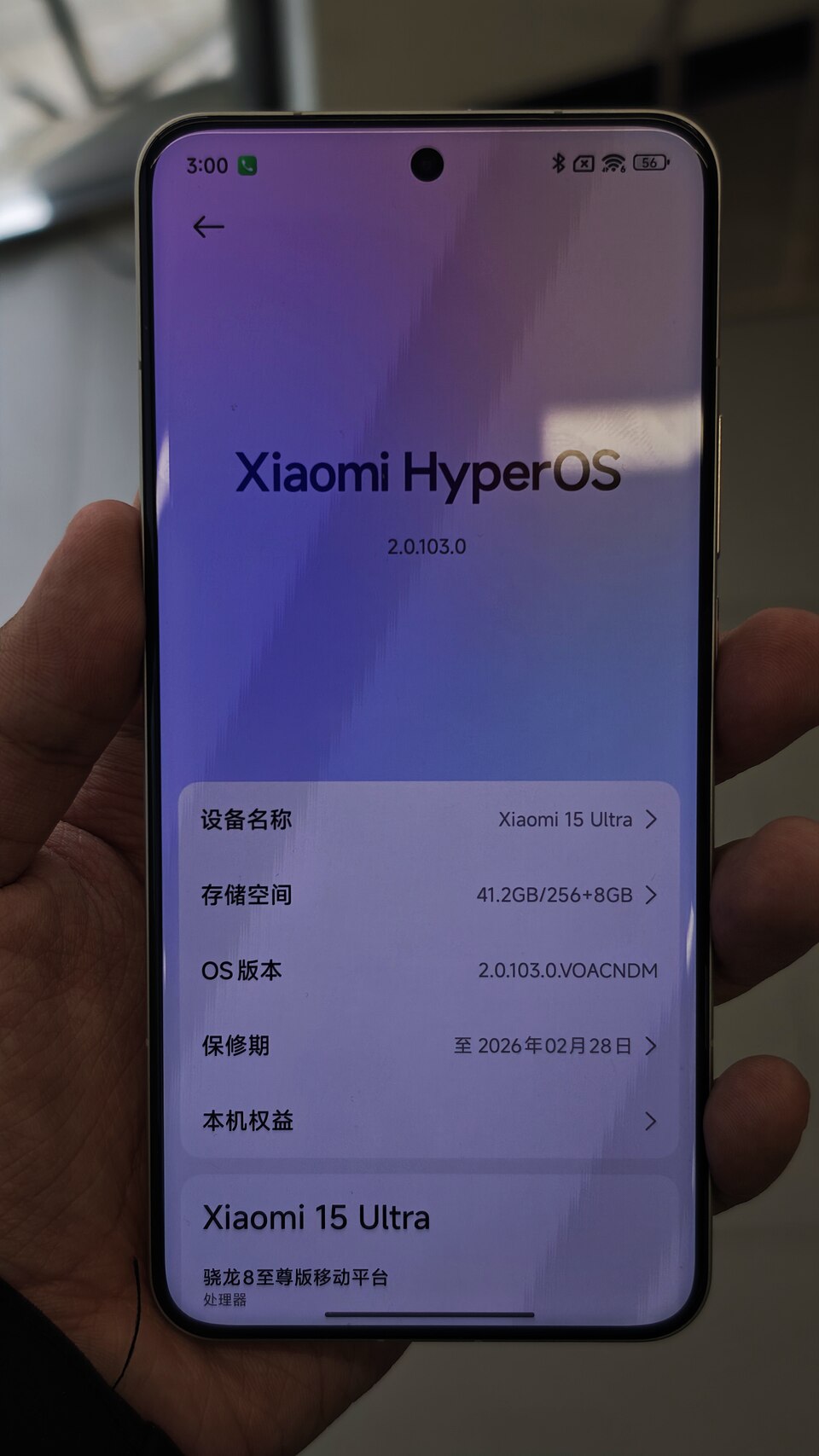
The Xiaomi 15 Ultra isn't officially sold in the US, which means anyone considering one is already thinking about importing — either through a third-party retailer, a trip abroad, or a friend bringing one back. Before you go down that road, it's worth understanding exactly what you're buying, what breaks when you leave Xiaomi's home markets, and whether the camera hardware justifies the hassle.
Where and how it's sold
Xiaomi sells the 15 Ultra directly through its own retail and online channels across China, much of Europe, India, and other Asian markets, alongside authorized carrier and retail partnerships in those regions. There is no Xiaomi-branded retail presence in the US, and no US carrier currently sells the phone with a subsidized plan or official warranty — which is precisely why "importing" is the only path for a US-based buyer rather than a simple online purchase from Xiaomi's own storefront the way you might buy a Pixel or an unlocked Galaxy directly.
What makes it worth the trouble
Xiaomi built the 15 Ultra around a Leica partnership, with a 50MP main sensor, 50MP ultra-wide, and 50MP telephoto all tuned by Leica's color science team — the kind of collaboration that shows up as genuinely distinct photo character rather than just another "AI enhanced" processing pipeline. The main sensor uses optical image stabilization, and the whole triple-camera array is backed by a 6,100mAh battery, one of the largest in any current flagship, paired with 90W wired and 50W wireless charging that outpaces nearly every phone sold in the US market at any price.
The display matches the ambition: a 6.73-inch LTPO AMOLED panel at 2K resolution, 120Hz refresh, and a peak brightness of 3,200 nits — genuinely class-leading, and noticeably brighter than the panels Apple or Samsung ship in their own flagships. Paired with a Snapdragon 8 Elite and up to 16GB of RAM, there's no performance compromise being made anywhere in this phone; the only compromise is availability.
What breaks when you import it
Xiaomi's global-market phones ship with HyperOS 2, built on Android 15, but the version sold in China frequently differs from the "Global ROM" sold in Europe and other international markets — missing Google apps and services entirely unless you specifically source a Global ROM unit. Even Global ROM units can have quirks: some regional carrier bands may not match US networks perfectly, meaning you should verify LTE/5G band compatibility with your specific carrier before buying, since a phone that works flawlessly in Singapore or the UK won't necessarily get full-speed 5G on every US carrier.
Warranty support is the other major gap. Buy through an unofficial importer and you're typically on your own for repairs — no Apple Store or Samsung service center equivalent exists for Xiaomi in the US. Software updates can also lag or diverge from the global release schedule depending on which regional variant you buy, so research the specific ROM before committing rather than assuming "Xiaomi 15 Ultra" means one consistent product worldwide.
Price and where to actually buy it
Officially, Xiaomi prices the 15 Ultra competitively against Samsung's and Apple's top-tier models in the markets where it's sold directly — Europe, China, and parts of Asia — typically undercutting the Galaxy S25 Ultra's top storage configuration while matching or beating it on camera hardware. Importers in the US typically add a markup on top of the international price plus shipping, which narrows or erases that value advantage depending on the seller. If price is the main draw, run the actual numbers including import markup before assuming it's cheaper than a Galaxy S25 Ultra bought locally with full warranty support.
Storage options and which one to pick
The 15 Ultra ships in 256GB, 512GB, and 1TB configurations, all paired with either 12GB or 16GB of RAM depending on the storage tier and region. For an imported phone, the storage decision matters more than usual: there's no expandable storage via microSD, no easy trade-in path if you outgrow the tier you bought, and importers often don't stock every configuration, so availability can dictate your choice as much as budget does. If you shoot a lot of ProRes-equivalent video or RAW photos through the Leica camera app, the 512GB tier is the more sensible baseline rather than the entry 256GB, since Xiaomi's camera app can produce large file sizes quickly at full resolution across three lenses.
Repairs and accessories
Screen protectors, cases, and other accessories designed for the 15 Ultra are widely available through the same import channels selling the phone itself, so day-to-day accessory support isn't a major concern. Repairs are the real gap — without an official Xiaomi service presence in the US, a cracked screen or battery replacement means either shipping the phone back to an importer or region, or finding a third-party repair shop willing to source Xiaomi-specific parts. Budget for that risk before buying, especially if you don't already have a case and screen protector ready on day one.
Who should actually do this
Importing a phone makes sense for photography enthusiasts who specifically want Leica-tuned color science and are comfortable troubleshooting software and network quirks themselves, or for travelers who already spend significant time in a market where the 15 Ultra is officially sold and supported. It's a harder sell for someone who just wants the best camera phone with zero friction — for that buyer, the Galaxy S25 Ultra or a phone with full US carrier and warranty support is the safer call, even if the Xiaomi's raw camera hardware is arguably comparable or better on paper.
Verdict
The Xiaomi 15 Ultra's camera system, battery, and charging speed are all genuinely best-in-class specs that most US buyers simply can't get in any officially sold phone right now. But importing means accepting real risk around software support, warranty coverage, and carrier compatibility that a locally sold flagship doesn't carry. Go in with realistic expectations about the total cost, storage tier, and support trade-offs, not just the spec sheet, and it can be a rewarding buy for the right kind of enthusiast — just not a casual one who wants zero-friction ownership. For a camera-focused flagship you can buy with full local support instead, see our ASUS Zenfone 12 Ultra review, which competes directly on camera ambition without the import hassle.