IP68 and MIL-STD-810H Explained: What Phone Durability Ratings Actually Mean
Every phone launch slide these days lists a string of ratings and standards: IP68, IP69, MIL-STD-810H, "Corning Gorilla Glass Victus 2," "Ceramic Shield." Most buyers nod along without knowing what any of it actually guarantees. That gap matters, because these certifications are marketing shorthand for genuinely different levels of real-world protection, and the differences show up the first time you drop a phone on concrete or leave it in a hot car.
This guide breaks down what each rating actually tests, what it doesn't cover, and how much weight you should put on it when comparing phones.
What IP68 Actually Means
The IP68 rating comes from IEC standard 60529, and it's really two numbers stuck together. The first digit (6) covers dust: a rating of 6 means the device is completely sealed against dust ingress, full stop, no partial credit. The second digit (8) covers water, but unlike the dust scale, "8" isn't a fixed bar — manufacturers choose the depth and duration they test to and publish it separately. Apple rates the iPhone 17 Pro to 6 meters for 30 minutes; Samsung rates the Galaxy S25 Ultra to 1.5 meters for 30 minutes. Both are "IP68," but Apple's number describes a deeper test.
Crucially, IP68 testing happens in still, fresh water in a lab. It says nothing about chlorinated pool water, saltwater, water pressure from a shower jet, or water combined with impact (dropping a phone into a sink counts as two separate stresses, not one). It also says nothing about what happens after the phone has been dropped once and a seal has shifted — a phone that was IP68 out of the box isn't necessarily IP68 after 18 months of pocket wear and a couple of drops. This is why most manufacturer warranties explicitly exclude liquid damage even on IP68-rated phones: the rating describes a controlled lab condition, not a lifetime guarantee.
IP69 and the Newer High-Pressure Standard
A newer wrinkle showing up on some 2025-2026 flagships is IP69, borrowed from industrial equipment standards. It tests resistance to close-range, high-pressure, high-temperature water jets — closer to what happens if you rinse a phone off under a kitchen tap or wash your hands with the phone in a wet pocket. A phone can be IP68 without being IP69, and a small number of recent flagships now advertise both ratings together to cover both "submerged" and "blasted with a hose" scenarios.
What MIL-STD-810H Tests — and Doesn't
MIL-STD-810H is a US military standard originally written for equipment that has to survive transport and field use, not combat. Phone makers who cite it are almost always referring to specific sub-tests within the much larger document — usually the drop test (Method 516.8), which specifies dropping a device from 1.2 meters onto plywood-over-concrete, repeated across multiple faces and edges, at a controlled temperature. Some phones also cite altitude, humidity, vibration, or temperature-extreme sub-tests from the same standard.
The catch: MIL-STD-810H isn't a pass/fail badge issued by an independent body the way IP ratings are. Any manufacturer can claim "MIL-STD-810H tested" after running their own internal lab through selected sub-tests, on their own terms, with their own sample size, and there's no public certificate to check. That doesn't mean the claim is meaningless — a company that invests in a drop-test rig and publishes the number is telling you something real about internal QA — but it's self-reported, not third-party verified the way IP68 dust/water testing effectively is through IEC-aligned lab procedures. Treat "MIL-STD-810H tested" as a signal of intent and process, not a guarantee that your exact phone survived that exact drop.
Screen and Frame Materials: The Other Half of Durability
Ingress protection and drop certification are only part of the story — the physical materials matter just as much. Corning's Gorilla Glass Victus 2 and Victus 3 improve scratch and crack resistance over older Gorilla Glass generations, and Apple's Ceramic Shield (co-developed with Corning) adds a ceramic crystal structure baked into the glass for better drop survival. On the frame side, titanium (used on Apple's Pro models and some Samsung Ultra variants) resists bending better than aluminum but is more prone to visible scuffing since it takes fingerprints and micro-scratches differently. Aluminum frames dent more easily on sharp impacts but tend to hide light scuffs better. Neither material is strictly "better" — they trade off differently under different kinds of damage, which is one reason our titanium phones breakdown is worth reading before assuming titanium automatically means tougher.
Foldables Change the Math Entirely
Every certification discussed so far assumes a rigid slab phone. Foldables complicate this considerably: the crease itself is a mechanical weak point, the inner screen is a softer plastic-polymer layer rather than glass (because glass doesn't fold), and dust ingress at the hinge has historically been the actual failure point on early foldable generations rather than the outer shell. IP68 ratings on foldables typically only cover water, not dust, for exactly this reason — a genuinely dust-sealed folding hinge is a much harder engineering problem than a sealed slab. If you're specifically considering a folding phone, our foldable warranty and durability piece goes deeper into what's actually covered when something goes wrong.
How Much Should This Affect Your Buying Decision?
For most buyers, here's the practical takeaway: IP68 is worth having and costs you nothing extra since it's standard on every current flagship, but don't treat it as a reason to skip a case, and don't expect a manufacturer to honor a repair under warranty just because a phone carries the rating — most water damage claims are still denied because liquid damage triggers exclusions in the fine print regardless of the IP number on the spec sheet. MIL-STD-810H drop claims are a genuinely useful signal when comparing two phones from the same maker's own testing regime, but they're not a standardized number you can compare cleanly across brands the way IP68's second digit lets you compare tested depth.
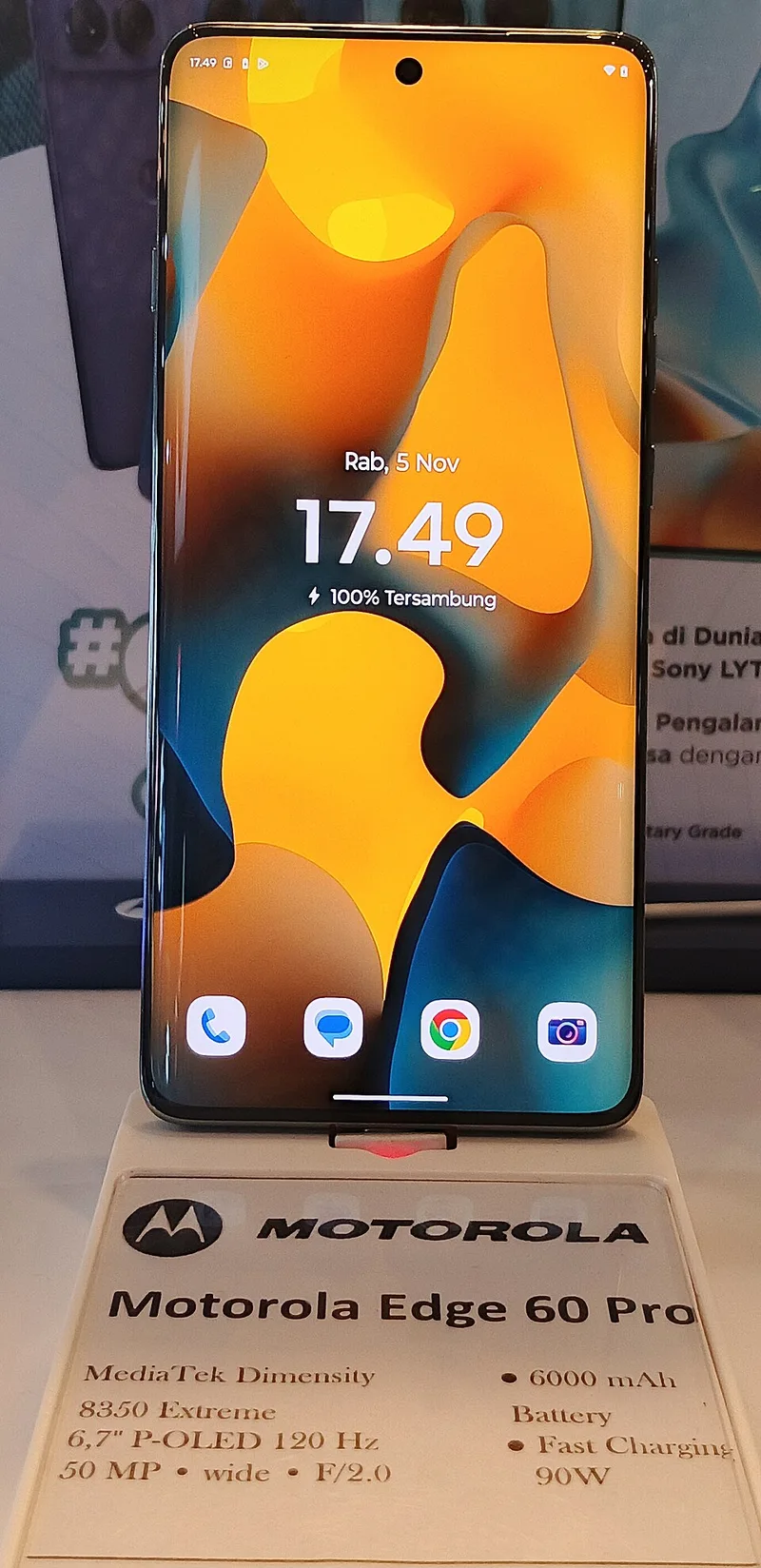
If durability is a top priority — you work outdoors, drop your phone often, or simply want to skip a case — prioritize phones with both a high tested IP68 depth/duration number and a stated MIL-STD-810H drop height, and still budget for a case and screen protector, since even the best-rated phones aren't designed to be used without one long-term. Our broader buyer's framework covers how to weigh durability against other priorities like camera and battery life when picking between generations, and if you want a real-world example of a durability-focused midranger, the Motorola Edge 60 Pro is one of the more water-resistant phones at its price point.
The Bottom Line
IP68 and MIL-STD-810H are useful shorthand, but neither is a single, comparable, guaranteed number the way a battery capacity or screen resolution is. Read the fine print — tested depth, tested duration, which sub-tests were run — before assuming two "IP68, MIL-STD-810H tested" phones are equally tough. They usually aren't.