Refurbished Flagships Are Having a Moment — Here's Why
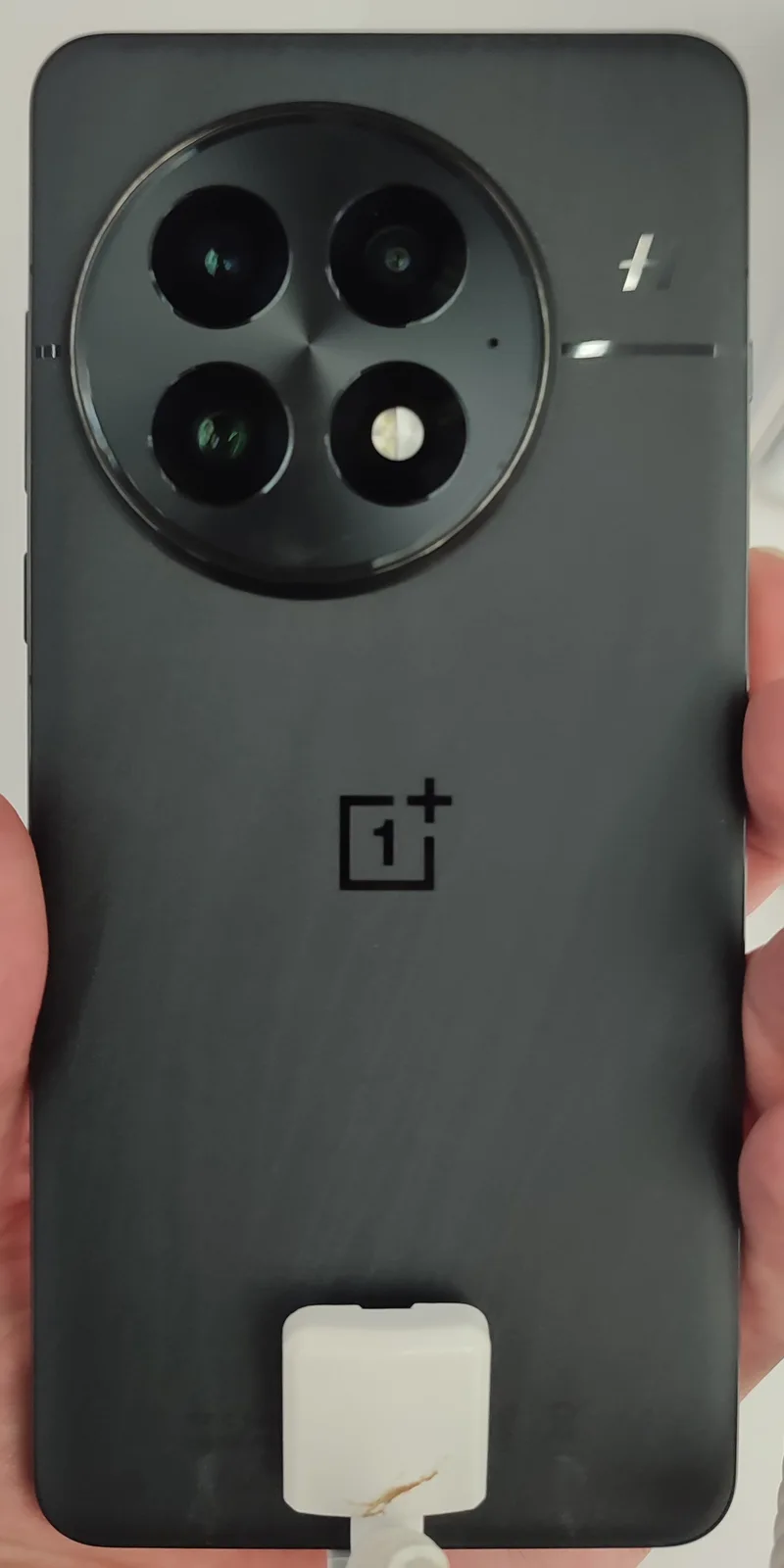
New flagship phones keep pushing past $1,000, and rising memory prices covered in our RAM price story aren't helping. Against that backdrop, the certified refurbished market has quietly become one of the smartest places to shop — not the compromise-laden secondhand market of a decade ago, but a genuinely mature channel offering last-generation and previous-model flagships with real warranties, verified battery health, and prices meaningfully below anything currently on a retail shelf.
What "certified refurbished" actually means now
The term covers a wide quality range depending on the seller, which is exactly why it's worth understanding the distinctions before assuming all refurbished listings are equivalent. Manufacturer-certified refurbished programs — run directly by Apple, Samsung, and Google, among others — put returned or trade-in devices through full diagnostic testing, replace components that don't meet spec (including batteries below a certain health threshold), and back the result with a genuine warranty, often close to what a new phone would carry. Third-party certified refurbishers operate similarly but with varying standards depending on the company, which is why checking exactly what "certified" includes — battery health disclosure, warranty length, cosmetic grading criteria — matters more than the label itself.
This is meaningfully different from a random secondhand marketplace listing, where you're relying entirely on an individual seller's honesty about a device's condition and battery health, with no formal testing process and typically no warranty at all if something turns out to be wrong after purchase.
Why the math works out so well right now
A refurbished flagship from one or two generations back typically costs 30-50% less than the current flagship tier, while still running current software and receiving several more years of updates in most cases — a much better ratio of savings-to-capability than buying a brand-new budget phone at a similar price point. A two-year-old flagship's camera system, chipset, and display quality frequently outclass what a brand-new phone costing the same amount delivers today, since flagship hardware from a couple of years ago still comfortably handles anything a typical buyer does with a phone in 2026.
The battery health disclosure requirement that reputable certified refurbishers now provide is the detail that makes this math trustworthy rather than risky. Battery degradation was always the biggest hidden cost of buying secondhand — a phone that looks and performs great except for a battery that's lost 20-30% of its original capacity — and a proper refurbishment program either replaces a degraded battery outright or clearly discloses its current health percentage before you buy, removing the single biggest unknown that used to make secondhand phone shopping a gamble.
What to actually check before buying
Confirm the warranty terms specifically — length, what it covers, and whether it's honored by the original manufacturer or only by the reseller — since these vary meaningfully between programs even when both call themselves "certified." Ask for or look up the battery health percentage rather than assuming "refurbished" implies a fresh battery; some programs replace batteries as standard practice, others only replace them below a specific health threshold and disclose the current number otherwise. And check the phone's remaining software update runway — a flagship that's already three or four years old may be nearing the end of its manufacturer support window, which matters considerably more for long-term security patches than it does for day-to-day performance today.
Where to actually buy, ranked by risk
Manufacturer-direct refurbished stores carry the lowest risk and typically the strongest warranty, but also the smallest selection and least aggressive pricing, since the manufacturer has less incentive to discount heavily. Large retailers with their own certified refurbished programs sit in the middle — generally solid warranties, wider selection across brands, and pricing that's more competitive than buying direct. Third-party specialist refurbishers can offer the best prices but require more homework: check independent reviews of the specific company, confirm their cosmetic grading system in plain terms (a "Grade A" cosmetic rating means something different from seller to seller), and lean toward ones offering at least a 90-day warranty as a baseline rather than accepting an "as-is, no returns" listing regardless of how good the price looks.
Which phones make the most sense to buy refurbished
Flagships depreciate faster than mid-range phones in percentage terms, which means the refurbished discount is proportionally larger on a phone like a previous-generation Galaxy S25 Ultra or iPhone 17 than on a budget phone that was already inexpensive when new. Buying refurbished makes the least sense for a phone that was already priced as a value option at launch, since there's comparatively little price gap left to close — the strategy pays off best specifically on phones that carried a genuine flagship premium when new.
It's also worth weighing storage tier deliberately when shopping refurbished, since you generally can't upgrade it later. Since you're already saving significantly on the base purchase price, stepping up to a higher storage configuration than you'd normally choose new is often still cheaper in absolute terms than a lower-storage version of the current flagship — a detail that's easy to overlook when you're focused purely on hitting the lowest possible headline price.
The trade-in side of the equation
The refurbished market and manufacturer trade-in programs are two sides of the same supply chain — a phone traded in through Apple, Samsung, or a carrier program is frequently the exact inventory that ends up certified and resold at a discount a cycle or two later. Understanding that connection is useful context: the same phone you might trade in today for credit toward a new device is likely to reappear, refurbished and warrantied, as someone else's excellent-value purchase within the next year.
The bottom line
Buying refurbished used to mean accepting real uncertainty about a device's condition in exchange for a lower price. That trade-off has largely disappeared for anyone buying through a genuinely certified program rather than an anonymous secondhand listing — you're getting disclosed battery health, a real warranty, and current software support, at a price that's frequently 30% or more below a comparable new phone. For buyers priced out of this year's flagship tier by rising costs, it's an increasingly hard option to ignore.