Best Camera Phones Right Now
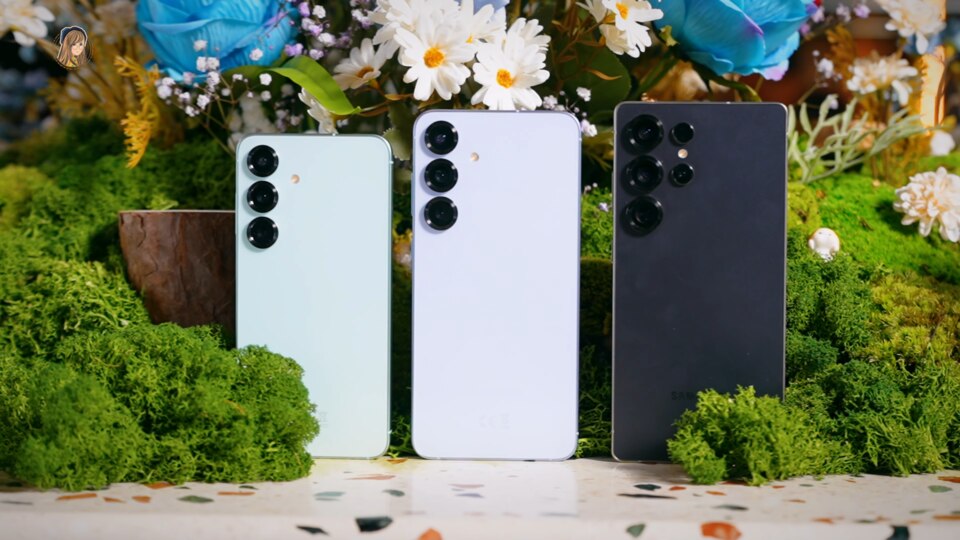
Camera hardware has plateaued less than software processing has, but a few 2025-2026 flagships still stand out for genuinely different reasons.
The Samsung Galaxy S25 Ultra remains the megapixel leader, with a 200MP main sensor backed by two telephoto lenses covering 3x and 5x/10x optical-quality zoom — nothing else on this list reaches that focal range without stepping into digital zoom territory.
The Xiaomi 15 Ultra takes the opposite approach: Leica-tuned color science across a triple 50MP array, with all three lenses matched at the same resolution for more consistent results when switching between them mid-shoot.
Google's Pixel 10 Pro leans on computational photography rather than raw sensor size, and its 42MP ultrawide front camera is unusually high-resolution for selfies and video calls — most competitors sit at half that or less.
None of these is a universal "best" — it depends whether you value zoom range, color accuracy, or computational processing most — but each is a legitimate top pick for its specific strength.
How These Three Cameras Actually Differ Day to Day
Spec sheets make these phones look closer than they feel in practice. The Galaxy S25 Ultra is the phone to reach for if you regularly photograph anything far away — kids' sports games, concerts, wildlife, or architecture from across a street. Its dual telephoto system means you get a genuinely optically-zoomed shot at both 3x and 10x, rather than software upscaling a single telephoto lens the way most competitors do at the higher end of their zoom range. The tradeoff is a camera bump and overall phone that's noticeably heavier than the other two.
Color Science: Why the Xiaomi 15 Ultra Photographs Differently
The Xiaomi 15 Ultra's Leica partnership isn't just marketing — it shows up in how the phone renders skin tones, shadows, and color contrast straight out of the camera app, with less of the oversaturated, high-contrast "HDR-everything" look that a lot of Android camera software defaults to. Photographers who shoot a lot of portraits or food photography tend to prefer this more restrained default processing, since it requires less editing afterward to look natural. Our full Xiaomi 15 Ultra review covers the import considerations if you're outside a region where it ships officially.
Computational Photography: What Pixel Does That Hardware Alone Can't
The Pixel 10 Pro's camera hardware is genuinely the least impressive on paper of the three — smaller sensors, lower peak megapixel counts — and yet it consistently produces some of the most reliably well-exposed, noise-free low-light shots of any phone on the market. That's almost entirely down to Google's computational photography pipeline: multiple frames are captured and merged algorithmically in a fraction of a second, correcting for motion blur, noise, and dynamic range in ways a single sensor exposure physically can't match. It's the clearest example of why raw sensor specs stopped being a reliable predictor of photo quality years ago.
Video Recording: A Different Ranking Entirely
If video matters as much to you as stills, the ranking here shifts. All three phones shoot 8K video, but stabilization and rolling-shutter handling — the things that actually determine whether handheld footage looks professional or shaky — vary more than the resolution figures suggest. For a deeper breakdown focused specifically on moving footage rather than stills, our best phones for video and vlogging guide ranks these and other phones on a completely different set of criteria than this list does.
Which Camera Phone Should You Actually Buy
If you photograph distant subjects regularly — sports, travel landmarks, wildlife — the Galaxy S25 Ultra's dual telephoto system is the hardest advantage to replicate elsewhere. If natural color and portrait work matter more, the Xiaomi 15 Ultra's Leica tuning is worth the import hassle for enthusiasts willing to deal with a phone not officially sold in their region. And if you mostly shoot in unpredictable lighting — evening events, dim restaurants, indoor gatherings — the Pixel 10 Pro's computational strength will bail you out more consistently than either competitor's larger sensors will.
A Note on Editing and RAW Support
All three phones support RAW capture for photographers who want to edit rather than rely entirely on the camera app's default processing, though the workflow differs meaningfully between them. Samsung's Expert RAW mode and Xiaomi's dedicated Leica RAW option both give more manual control over exposure and focus before the shot than Google's implementation, which leans harder toward "computational RAW" that still applies some processing before handing you the file. If you shoot RAW and edit extensively in Lightroom or a similar app afterward, that distinction is worth testing with a demo unit before committing to one system over another.
Front Cameras: The Spec Most Buyers Overlook
Selfie and video-call quality gets far less attention in phone reviews than it deserves, given how much daily use it actually gets compared to the main camera for a lot of buyers. The Pixel 10 Pro's 42MP front sensor is the standout here — not just for resolution, but because Google applies the same computational strengths (better dynamic range, more natural skin tones in mixed lighting) to selfies that it applies to the rear camera. Samsung and Xiaomi both ship capable front cameras, but neither treats front-facing image quality as a headline feature the way Google increasingly does, and it shows in side-by-side comparisons shot in typical indoor lighting like a kitchen or office rather than a controlled studio setup.
Night Mode and Astrophotography
Dedicated night modes have become a genuine differentiator rather than a gimmick, particularly for anyone who photographs cityscapes, star fields, or dimly lit indoor events. The Galaxy S25 Ultra's night mode benefits from its larger primary sensor gathering more raw light before any software processing happens, which tends to produce cleaner results in near-total darkness than pure computational approaches. The Pixel 10 Pro's Astrophotography mode, by contrast, uses long-exposure frame stacking and can produce genuinely striking star-field shots from a tripod that neither of the other two phones matches, though it requires the phone to stay completely still for several seconds to minutes depending on the scene. If star photography specifically is a hobby rather than an occasional novelty, that's a meaningful point in the Pixel's favor despite its smaller sensor.
The Bottom Line
Camera supremacy in 2026 isn't a single number anymore — it's a set of tradeoffs between zoom range, color science, and computational strength, and the right answer depends entirely on what you actually photograph most. All three of these phones would have been considered category-defining just two or three years ago, and the real story here is how much better the overall floor for phone photography has gotten, even among phones that aren't the outright zoom or low-light champion.