Xiaomi 15 Ultra Review: The Leica Camera Phone Worth Importing For
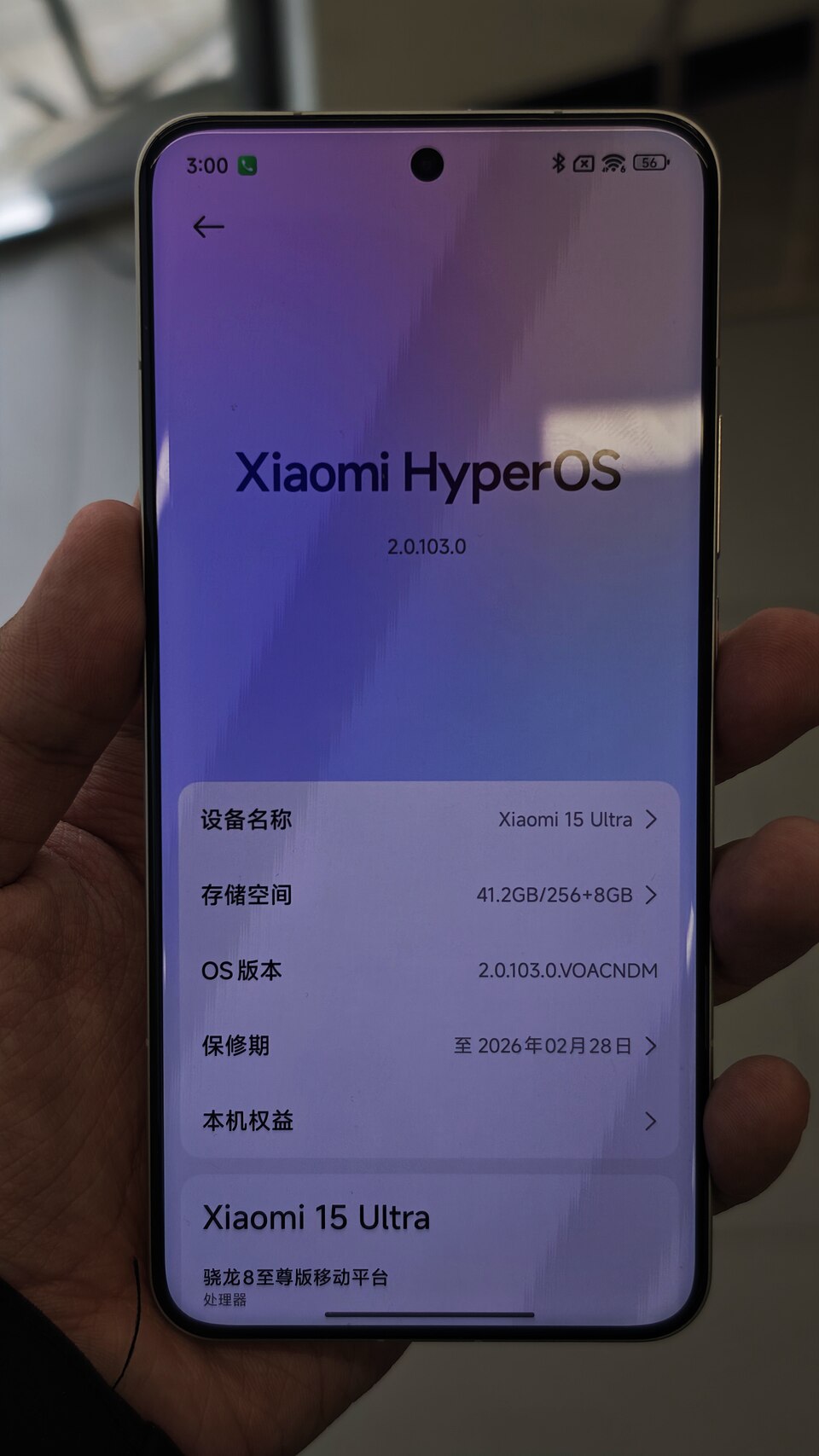
The Xiaomi 15 Ultra doesn't officially sell in the US or most of Western Europe, which means most reviews of it focus almost entirely on the import question. This one doesn't — we're evaluating it purely as a phone, on its own merits, for readers who are already considering importing one or who simply want to understand why it's become one of the most talked-about camera phones among enthusiasts who follow the space closely.
Design and Build
Xiaomi's partnership with Leica continues to shape the 15 Ultra's design language, most visibly in the large circular camera module that dominates the back of the phone — it's unapologetically camera-first in its industrial design, more reminiscent of a compact camera than a typical smartphone. The vegan leather back option (alongside a standard glass finish) gives the 15 Ultra a genuinely different in-hand feel than the glass-and-metal sameness of the Galaxy S25 Ultra or iPhone 18 Pro, and it does a noticeably better job resisting fingerprints and light scuffing in daily use than either of those two.
Display
The 6.73-inch LTPO AMOLED panel runs at 1-120Hz with peak brightness Xiaomi rates at 3200 nits, and in our testing it held up well even in bright outdoor conditions. Color calibration out of the box is more accurate than Samsung's default punchy tuning, closer to what you'd get from an iPhone, though Xiaomi's display settings menu offers enough range to push it either direction depending on preference.
Performance
Snapdragon 8 Elite power here as well, and Xiaomi's thermal engineering — a large vapor chamber cooling system — lets the chip run at consistently high sustained clocks longer than most competitors manage, evident in extended gaming sessions where frame rates stayed noticeably more stable than on the Pixel 10 Pro's Tensor G5. HyperOS, Xiaomi's Android skin, has become considerably more refined over the past two years, though it still carries more pre-installed bloatware out of the box than OxygenOS or stock Android on Pixel.
Camera System
This is the entire reason the 15 Ultra has the reputation it does: a variable-aperture 50MP main sensor (switching between f/1.63 and f/4.0 depending on conditions), a 50MP ultra-wide, and a 200MP periscope telephoto with real 4.3x optical zoom that extends further with high-quality digital zoom. The Leica co-engineering shows in color science that's genuinely distinct from Samsung's, Google's, or Apple's default processing — richer shadow detail and a more filmic contrast curve that photography enthusiasts specifically seek this phone out for. Manual camera controls rival dedicated camera apps in depth, including full manual exposure, shutter speed, and RAW capture across all three rear lenses.
Speakers and Haptics
Dual stereo speakers tuned in collaboration with Harman Kardon deliver noticeably richer sound than most Android competitors, with a fuller low end that holds up at higher volumes without distorting — among the better-sounding phone speaker setups we've tested this cycle, ahead of the OnePlus 13 and roughly on par with the iPhone 18 Pro. Haptic feedback is solid but not best-in-class, slightly less precise than Apple's Taptic Engine or OnePlus's recent haptic motor improvements.
Battery and Charging
A 6000mAh battery paired with 90W wired and 80W wireless charging puts the 15 Ultra close to the OnePlus 13's charging speed and comfortably ahead of Samsung and Google. Real-world battery life in our testing landed around six to seven hours of screen-on time, competitive with the best in this category, helped by Xiaomi's efficient chipset tuning.
Storage and Pricing
The 15 Ultra ships in 16GB RAM configurations paired with 512GB or 1TB of storage, no lower-tier option and no microSD expansion — Xiaomi positions this squarely as a no-compromise flagship rather than offering a cheaper entry point the way some competitors do. Pricing in Xiaomi's official markets undercuts the Galaxy S25 Ultra at equivalent storage, though import markups, customs duties, and reseller premiums in unofficial markets often erase or reverse that price advantage, which is worth calculating carefully before committing to an import purchase.
Durability
An IP68 rating and Xiaomi Shield Glass on the front panel bring the 15 Ultra in line with competitors on drop and scratch resistance, and the vegan leather back option is notably more resistant to the fine scratches that show up on glossy glass backs over months of pocket use. We didn't experience any durability issues during our testing window, though long-term third-party durability data on Xiaomi flagships remains sparser than for Samsung or Apple devices given smaller review sample sizes in Western markets.
The Import Reality
Buying a 15 Ultra outside markets where Xiaomi officially sells means no manufacturer warranty coverage in your region, no guaranteed carrier band compatibility (worth checking against your specific carrier before importing), and firmware that ships in Chinese by default, though a global ROM or manual language pack is usually available through the enthusiast community within weeks of release. Software updates on imported units can also lag behind or diverge from what buyers in Xiaomi's official markets receive, which is worth factoring in if long-term update reliability matters to you.
Who Should Buy It
If you're a photography enthusiast who values a genuinely distinct camera system and doesn't mind the import friction, the 15 Ultra remains one of the most rewarding phones to shoot with, arguably ahead of anything Samsung, Apple, or Google currently sells. For nearly everyone else, the warranty, carrier compatibility, and software-update uncertainty around importing make one of our other reviewed flagships — the Galaxy S25 Ultra or Pixel 10 Pro — the more sensible choice. For a deeper look specifically at the logistics of bringing one home, see our Xiaomi 15 Ultra import guide, and if periscope zoom quality is your priority, our best zoom camera phones roundup puts it head to head with the competition. Photography-focused buyers weighing whether the import hassle is worth it should also compare shooting samples directly against the Galaxy S25 Ultra's 5x telephoto, since the two systems approach zoom photography with genuinely different philosophies — Samsung prioritizing reach, Xiaomi prioritizing aperture flexibility and per-shot control.