OnePlus 13 vs OnePlus 13R: What Do You Actually Give Up?
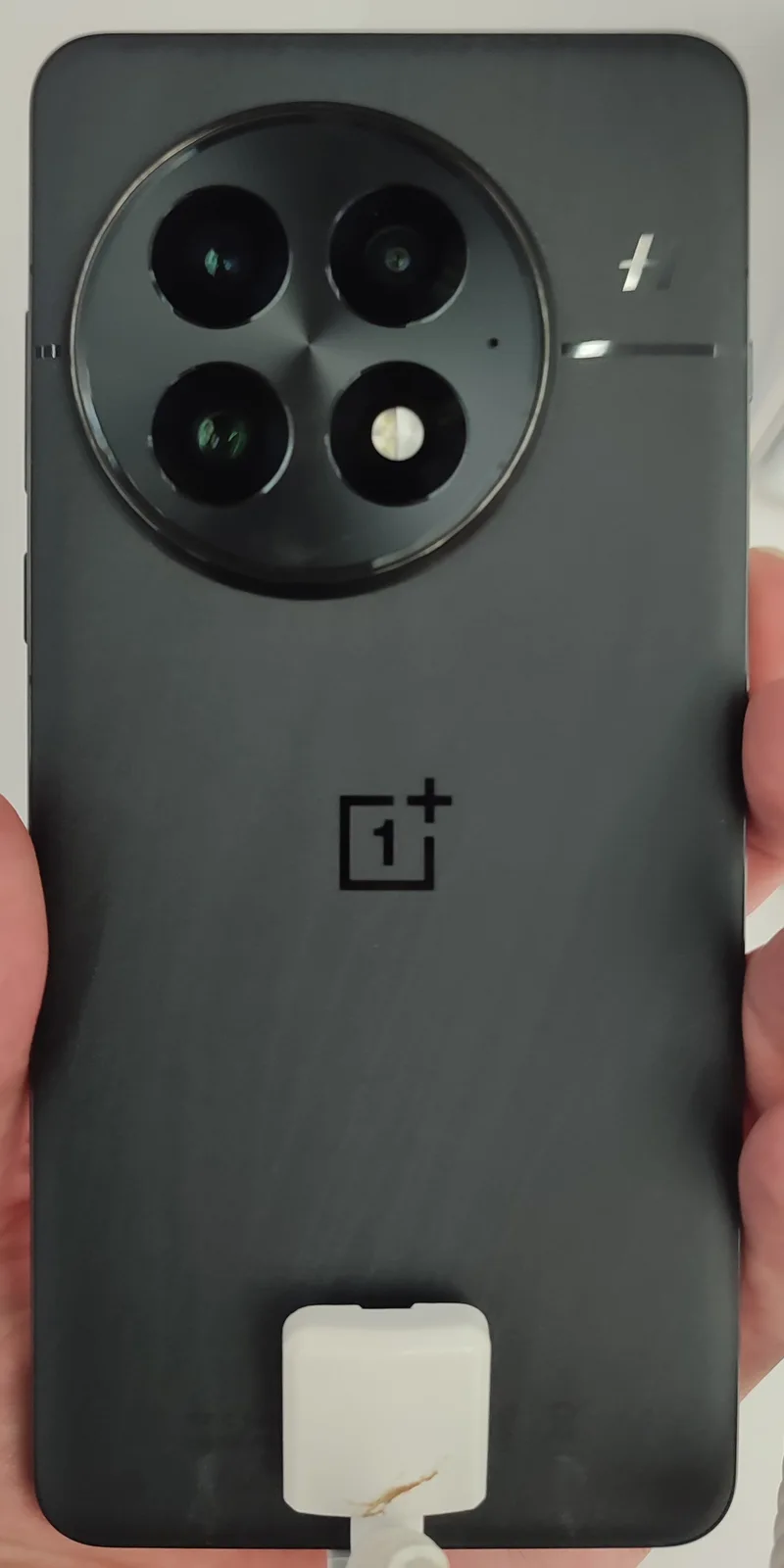
OnePlus sells two flagships side by side every generation, and the gap between them keeps shrinking on paper while the price gap stays wide. The OnePlus 13 and OnePlus 13R share a design language, a software experience, and even a battery capacity — so what exactly are you paying extra for when you pick the full-size 13 over the R model?
The chipset gap is the biggest real difference
The OnePlus 13 runs a full Snapdragon 8 Elite built on a 3nm process. The 13R steps down to a Snapdragon 8 Gen 3 on 4nm — still a genuinely capable chip and last year's true flagship silicon, but measurably behind the 8 Elite in both CPU and GPU benchmarks, particularly in sustained performance under thermal load during long gaming sessions. For most everyday tasks — browsing, messaging, social media, even most mobile games — you won't feel the difference. It shows up specifically in the most demanding titles at max settings and in raw benchmark numbers that matter more to enthusiasts than to typical users.
Display resolution, not just size
Both phones use LTPO AMOLED panels at 120Hz, but the OnePlus 13's 6.82-inch display runs at a sharper 1440x3168 resolution compared to the 13R's 6.78-inch panel at 2780x1264. In practical terms, that's a pixel density difference most people won't notice in normal use but that becomes apparent in VR-adjacent applications or when viewing extremely fine text and graphics up close. The 13R's "ProXDR" branding suggests strong HDR performance in its own right — this isn't a case of one screen being bad, just less sharp on paper.
Camera hardware: a bigger gap than the price suggests
This is where OnePlus draws its clearest line between the two phones. The OnePlus 13 packs a 50MP main sensor at f/1.6, a 50MP periscope telephoto with genuine 3x optical zoom, and a 50MP ultra-wide — a genuinely flagship-tier triple-camera setup. The 13R gets a 50MP main sensor (the same Sony LYT-700 found in several other 2025-2026 flagships) with OIS, but its telephoto drops to a 2x, non-periscope 50MP lens, and its ultra-wide steps down to just 8MP — a meaningfully lower-resolution sensor that will show its limits in anything but good lighting.
If zoomed photography or ultra-wide landscape and architecture shots are a regular part of how you use your phone's camera, the 13's camera system is worth the price jump on its own. If you mostly shoot standard wide shots and portraits, the 13R's main camera alone gets you most of the way there.
Charging speed favors the 13
Both phones share a 6,000mAh silicon-carbon battery, so raw capacity is identical. Charging speed is not: the OnePlus 13 supports 100W wired charging (full charge in about 36 minutes) and 50W wireless. The 13R's charging tops out at 55W in North America or 80W internationally — still fast by most standards, but a real, measurable step down from the 13's near-instant top-ups. If you regularly charge on the go between meetings or during a commute, that gap adds up over a week of use in a way spec sheets don't fully convey.
RAM and storage ceiling
The OnePlus 13 offers configurations up to 24GB of RAM and 1TB of storage — genuinely excessive for nearly any current use case, but future-proofing for buyers who hold onto phones for many years. The 13R caps out lower, at 16GB RAM and 512GB storage, which is still generous but not as extreme. For the overwhelming majority of buyers, the 13R's ceiling is more than sufficient; the 13's higher-end configurations exist mainly for enthusiasts who want maximum headroom regardless of whether they'll ever use it.
Weight and feel
The two phones are close in hand — the 13 weighs 210-213g depending on configuration, the 13R weighs 206g — a difference small enough that most people won't notice it in a blind test. Both come in similar dimensions, so the choice between them won't meaningfully change how the phone feels to carry or hold.
Software is identical — this isn't a tiered experience
Unlike some brands that hold back features for their more expensive models, OnePlus runs the same OxygenOS build across both the 13 and 13R, with the same update commitment and the same feature set at launch. That's a meaningful point in the 13R's favor: you're not sacrificing software longevity or getting a stripped-down interface for saving money, the way you might with a genuinely budget phone from another manufacturer. Every AI feature, every customization option, and every promised update lands on both phones at the same time.
Who should buy which
Buy the OnePlus 13 if: you shoot photos with zoom or ultra-wide shots regularly, you charge on the go and value every extra watt of charging speed, or you simply want the specs that will age best over a multi-year ownership window. Buy the OnePlus 13R if: your camera use is mostly standard wide shots and portraits, you're fine with charging speeds that are still fast by any objective measure just not class-leading, and you'd rather put the savings toward a case, extra storage on a different device, or simply keep the money. Neither phone is a compromise pick — OnePlus built the 13R to be genuinely good on its own merits, not just a cut-down version of its bigger sibling.
Verdict: is the price gap worth it?
The honest answer depends entirely on how you use the camera and how much charging speed matters to your routine. If you want the fastest possible charging and genuine periscope zoom, pay for the OnePlus 13. If you're comfortable with a still-excellent but less extreme camera and slightly slower (though still fast) charging, the 13R delivers the vast majority of the flagship experience for meaningfully less money — arguably the smarter buy for most people who don't specifically need the top-tier camera reach. For a similarly positioned value flagship from a different brand, see our Motorola Edge 60 Pro review, which competes in roughly the same price bracket as the 13R.