Snapdragon 8 Elite Phones Compared: Same Chip, Very Different Phones
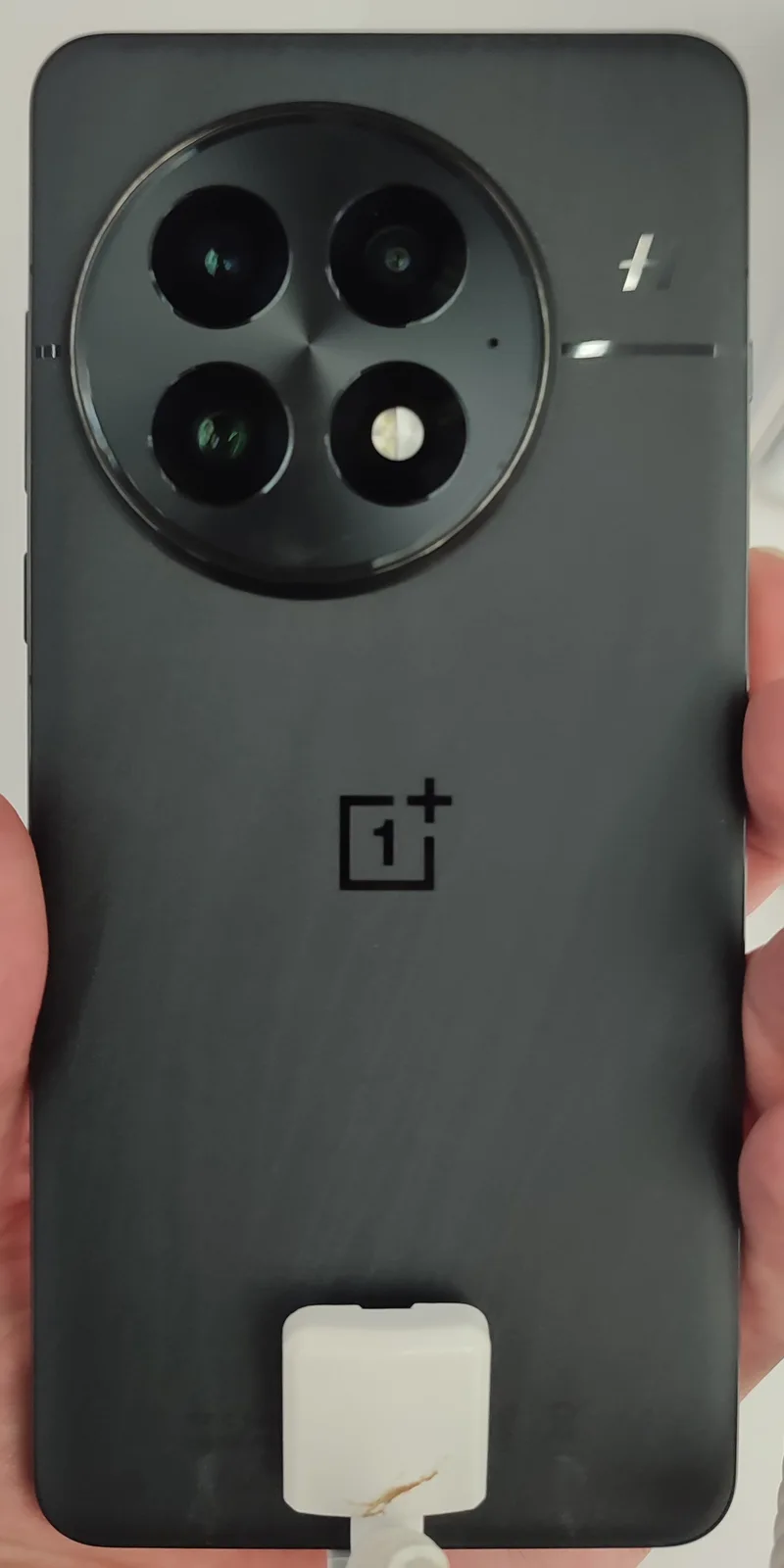
Qualcomm's Snapdragon 8 Elite has quietly become the default flagship Android chip for the 2025-2026 cycle, and that creates an odd situation for buyers: several very different phones now share almost identical raw processing power. If the CPU and GPU numbers are basically the same everywhere, what actually separates a OnePlus 13 from a Xiaomi 15 Ultra or an ASUS Zenfone 12 Ultra? The answer, as usual, is everything around the chip — memory configuration, cooling, battery chemistry, and camera hardware.
It's worth pausing on why this keeps happening generation after generation. Qualcomm sells one flagship die to dozens of phone makers each cycle, and the actual silicon inside a $600 phone and a $1,300 phone can be functionally identical. The differentiation has to come from everywhere else in the bill of materials — the display panel supplier, the camera module stack, the battery cell chemistry, and how aggressively (or conservatively) each manufacturer tunes the chip's power and thermal limits in software. Two phones with the exact same chip can post noticeably different sustained benchmark scores purely because one company allows it to run hotter for longer before throttling.
The chip itself
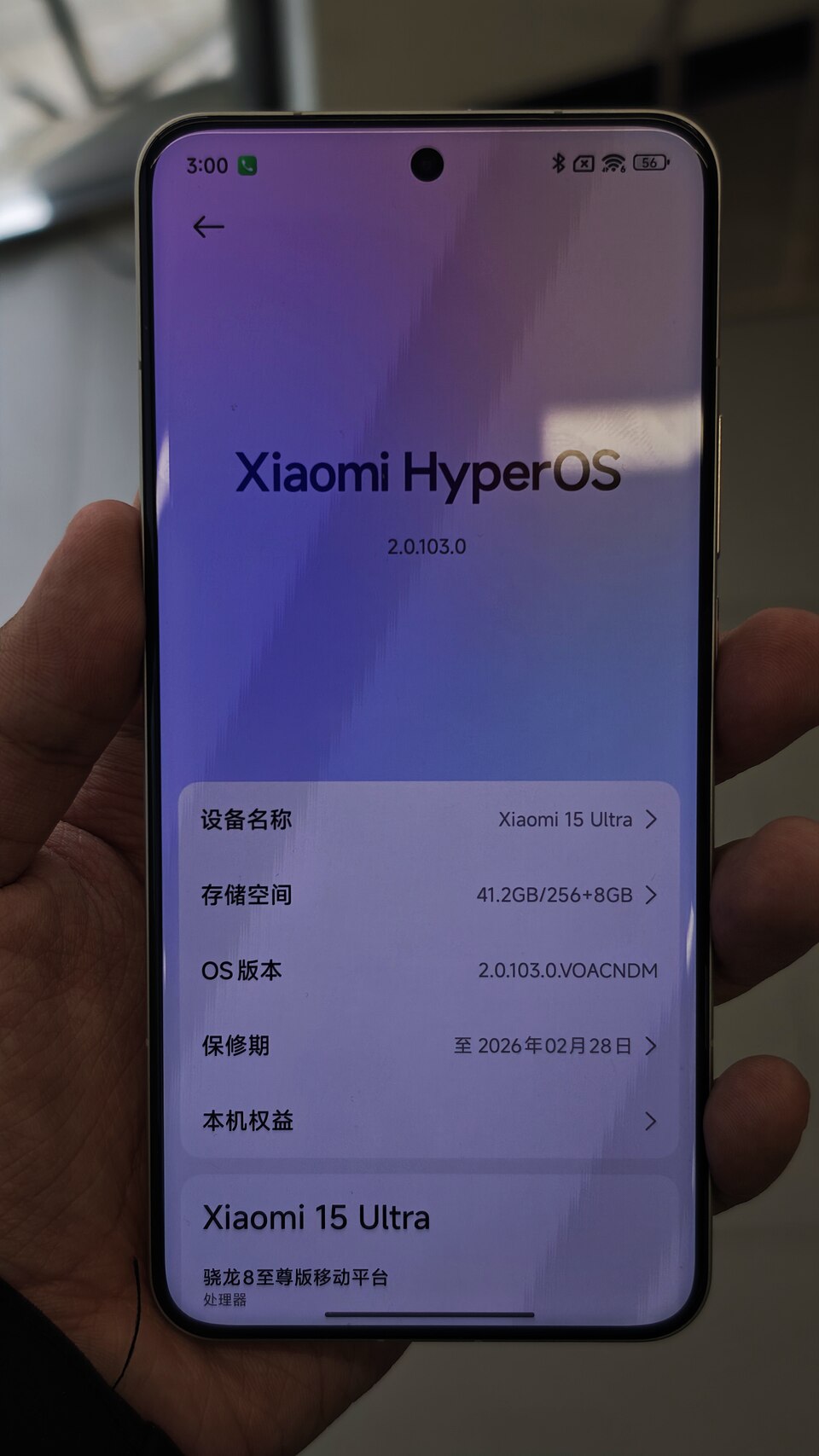
All three phones in this comparison run the 3nm Snapdragon 8 Elite, and on paper the differences are close to nothing. Where they diverge is RAM: the OnePlus 13 goes as high as 24GB on its top configuration, a genuinely unusual amount for a phone, while the Zenfone 12 Ultra tops out at 16GB and the Xiaomi 15 Ultra also offers 16GB LPDDR5X. In everyday use — social media, browsing, most games — none of this matters. Where it starts to matter is background app retention on Android, where more RAM means more of your recently used apps stay loaded instead of reloading from scratch when you switch back to them.
Storage generation matters more than you'd think
The OnePlus 13 and Xiaomi 15 Ultra both use UFS 4.0/4.1 storage, and the Zenfone 12 Ultra matches with UFS 4.0 as well. This generation of storage roughly doubles sequential read/write speeds over the previous UFS 3.1 standard, which shows up in real-world moments like large app installs, extracting compressed files, or exporting a 4K video project. It is one of those specs that never gets marketing attention but genuinely changes how snappy a phone feels three years into ownership, once storage starts filling up.
Where the phones actually diverge: cameras and battery
This is where "same chip" stops meaning "same phone." The Xiaomi 15 Ultra leans hardest into imaging, pairing a 50MP Leica-tuned main sensor with optical image stabilization and a 50MP telephoto, aimed squarely at buyers who care about computational photography more than benchmark scores. The OnePlus 13 instead spreads its camera budget across a 50MP periscope telephoto capable of 3x optical zoom alongside its main and ultrawide sensors, prioritizing zoom versatility. The Zenfone 12 Ultra takes a third approach entirely, using a gimbal-stabilized 50MP Sony Lytia 700 main sensor — mechanical stabilization rather than purely software-based, which historically produces steadier handheld video.
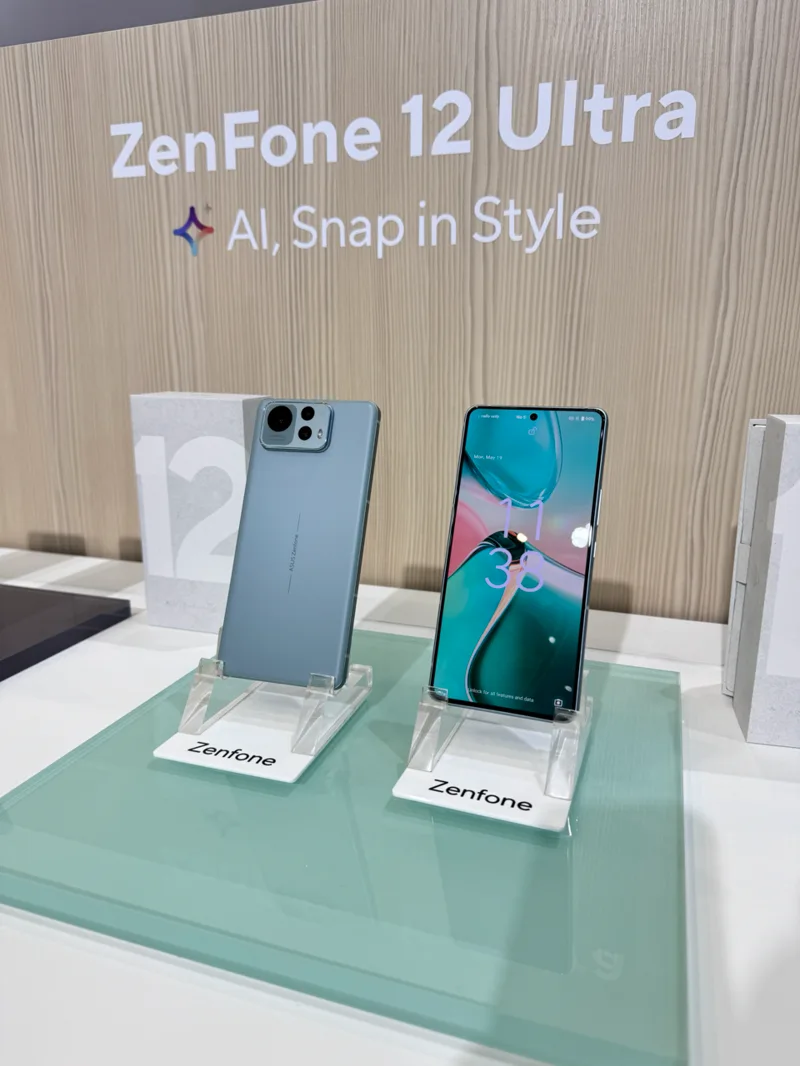
Battery chemistry is the other real differentiator. Both the OnePlus 13 and Xiaomi 15 Ultra use silicon-carbon battery cells, a newer chemistry that packs more capacity into the same physical volume than older graphite-based lithium-ion cells — the OnePlus 13 reaches 6000mAh and the Xiaomi 15 Ultra 6100mAh, both large numbers for phones that aren't noticeably thick. Charging speed also splits the field: OnePlus pushes 100W wired charging, claiming a full charge in well under 40 minutes, while Xiaomi's 90W and the Zenfone's charging solution sit a tier below, still fast by historical standards but a clear step behind OnePlus's flagship charging implementation.
Which one should you actually buy?
If raw camera versatility and zoom range matter most, the OnePlus 13's periscope telephoto and enormous RAM ceiling make it the most future-proof of the three. If computational photography and a Leica color signature are the priority, the Xiaomi 15 Ultra is built specifically for that buyer. And if you shoot a lot of handheld video and want mechanical rather than purely digital stabilization, the Zenfone 12 Ultra's gimbal camera is a genuinely unusual feature that neither competitor offers. The Snapdragon 8 Elite is fast enough in all three that performance alone should not be your deciding factor — the camera system and battery chemistry are where these phones actually part ways.
A note on software update commitments
Chip generation also has a quieter, longer-term consequence: it typically determines how many years of major Android version updates a phone will receive, since manufacturers align their update promises to a chip's expected support window from Qualcomm. All three phones here launched on the same chip generation, so their update runways should be similar on paper, but each manufacturer sets its own policy on top of that baseline — OnePlus and ASUS have both extended their stated update commitments in recent years, and it's worth checking the current policy for whichever model you're considering rather than assuming parity just because the silicon matches.
Warranty and repair costs after the chip is irrelevant
Since all three phones here share the same core silicon, warranty terms and out-of-warranty repair pricing become a more meaningful differentiator than they'd otherwise be. OnePlus and Xiaomi both typically offer one to two years of standard warranty coverage depending on region, with ASUS following similar regional patterns. Screen replacement costs, battery replacement costs, and how readily a manufacturer's authorized service centers are available in your specific country are all worth checking before purchase — these costs vary more by brand and region than by the chip inside the phone, and they can meaningfully affect the total cost of ownership over a phone's lifespan in ways a spec sheet never captures.
Benchmark numbers versus how a phone actually feels
It's tempting to look up synthetic benchmark scores for these three phones and assume the highest number wins, but this is exactly where the "same chip" framing becomes misleading in practice. A benchmark app runs an intense, short burst of computation and reports a peak number; none of these apps simulate 45 minutes of actual gameplay or a long video call while the phone sits in a warm car. The manufacturer's thermal tuning — how conservatively or aggressively they let the Snapdragon 8 Elite run before pulling back clock speeds to manage heat — has far more influence on how "fast" a phone feels in real, sustained use than the benchmark leaderboard suggests. This is precisely why the Zenfone 12 Ultra's heavier chassis and larger battery, discussed in more depth in our gaming phones guide, translates into a real sustained-performance advantage despite an identical chip to its lighter competitors.