Android 16 Is Rolling Out: Which Phones Have It First
Android 16 has begun its staged rollout, and as usual, the order in which phones receive it says almost as much about how the Android update system works as the update itself does. If you're wondering when your phone will see it, or whether it's worth pushing to install it the moment it becomes available, here's what's actually happening and why the rollout looks the way it does.
Google's Phones Go First, Every Time
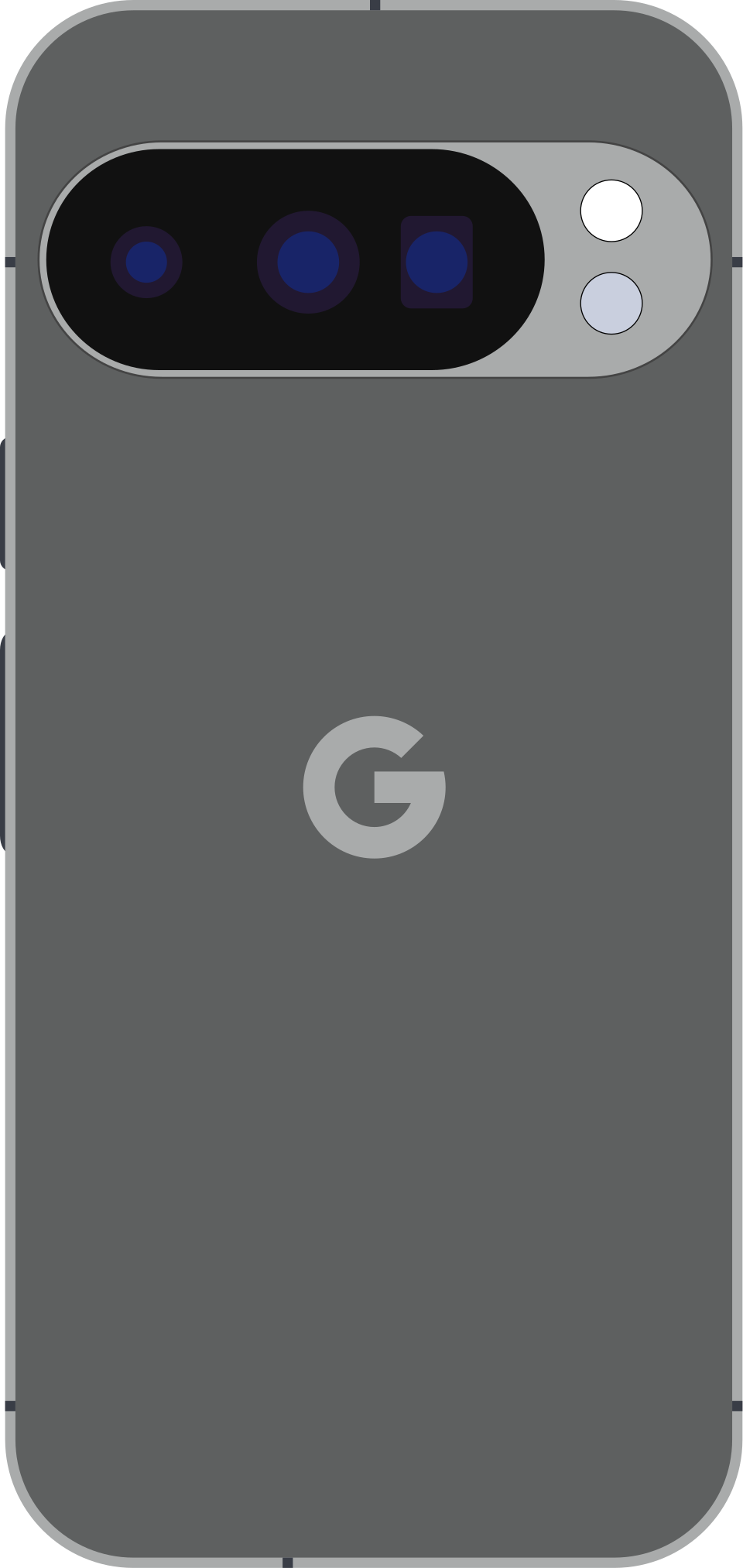
Google's own Pixel 10 and Pixel 10 Pro received Android 16 on day one, which is expected — Google builds Android, and Pixel phones have always served as the reference hardware for each new release. This isn't just a marketing perk; it reflects a genuine technical relationship, since Google develops and tests each Android version against Pixel hardware throughout the release cycle rather than treating Pixel support as an afterthought applied after the software is finished. If having the newest Android version the day it ships matters to you, a Pixel remains the only reliable way to guarantee that, a point we cover in more depth in our Pixel 10 vs Pixel 10 Pro comparison.
Why Everyone Else Is Slower
Samsung, OnePlus, Motorola, and the rest of the Android field all run their own custom software layers on top of stock Android — One UI, OxygenOS, and similar — and each of those overlays has to be individually rebuilt, tested, and certified against the new Android version before it can ship to any specific phone model. That process typically takes anywhere from a few weeks to several months past the initial Android release, depending on how deeply a manufacturer's overlay modifies the underlying system and how many device models that manufacturer needs to support simultaneously across old and new hardware.
What's Actually New in Android 16
This release leans into refinements rather than a visual overhaul: improved multitasking and desktop-style windowing on larger screens and foldables, expanded on-device AI features building on the direction Google has been pushing since Tensor-powered features became a Pixel differentiator, tightened privacy controls around background app permissions, and general performance and battery efficiency improvements under the hood. None of it is a dramatic departure from recent Android releases, which increasingly focus on incremental polish rather than headline features — a pattern that mirrors how software updates have generally shifted across the industry, something we cover more broadly in our Android vs iPhone software support comparison.
Should You Update the Moment It's Available
For most users, yes, once your specific phone officially receives the update — Google, and increasingly other manufacturers, generally iron out major bugs during beta testing before the public release, so waiting weeks after your phone's official release date rarely buys you meaningfully more stability. The bigger risk period is actually the beta program itself, which is open to anyone willing to opt in ahead of the stable release; that's genuinely worth avoiding on a primary phone unless you're comfortable with occasional bugs, since beta builds prioritize testing coverage over daily-driver reliability.
How This Affects Buying Decisions Right Now
If long-term software support is a priority in your next phone purchase — and it should be, given how much of a modern phone's usable lifespan depends on continued updates — the speed and consistency of a manufacturer's Android version rollout is a genuinely useful signal, not just a nice-to-have. Google's Pixel line remains the fastest and most predictable, while Samsung has meaningfully closed the gap over the past several update cycles and now typically ships major Android versions within a couple of months of Google's own release. Other manufacturers vary more widely, and it's worth checking a specific model's actual update track record rather than assuming a manufacturer's stated policy always plays out on schedule in practice.
What to Expect for the Rest of the Rollout
Expect Samsung's One UI-based rollout to land within the next couple of months for its most recent flagships, followed by OnePlus, Motorola, and the broader Android field trailing over the following several months, with older or lower-tier phones from each manufacturer generally receiving the update last, if at all, depending on how many major OS versions that specific model was promised at launch. If you own an older phone that's approaching the end of its promised update window, it's worth checking your manufacturer's specific support page rather than assuming Android 16 will eventually arrive automatically — some models stop receiving major version upgrades well before their security patches end, which is a distinction that matters more than it might first appear.
Foldables and Tablets Get Extra Attention This Cycle
One detail worth calling out about this particular release is how much of the engineering work went into large-screen and foldable device behavior specifically, rather than phone software in isolation. Desktop-style windowing, improved drag-and-drop between apps, and better handling of variable screen sizes are aimed squarely at the growing foldable and tablet segment, an area Google has been investing in more heavily as that category matures beyond its early, rougher software experience. If you use a foldable as a daily driver, this release is likely to feel more substantial than it does on a standard slab phone, where the improvements are more about polish and efficiency than new functionality.
Security Patches Move on a Separate Clock
It is worth separating major Android version upgrades, like this one, from monthly security patches, which move on an entirely different schedule and matter just as much for day-to-day safety. A phone can be a full major version behind while still receiving current security patches, and conversely, a phone that has stopped receiving new Android versions may still get security-only updates for a defined period afterward. When evaluating how much longer a phone is worth keeping, check both numbers separately rather than assuming one implies the other, since manufacturers frequently support them on different timelines and a phone that looks outdated by version number can still be perfectly safe to keep using.
The Practical Takeaway
If you are choosing between two otherwise similar phones today, treat update rollout speed as a real tiebreaker rather than a minor footnote. A phone that reliably gets major Android versions within weeks of Google is meaningfully lower-maintenance to own over several years than one that trails by half a year or more, even if the two phones are otherwise evenly matched on camera and performance specs at launch.