How Long Software Support Actually Lasts: Android vs iPhone in 2026
How long a phone keeps receiving software updates rarely makes it onto a spec sheet headline, but it's one of the most consequential numbers for anyone planning to keep a phone for several years. In 2026, the gap between the best and worst update policies in the phone industry is still enormous — here's what that actually looks like across the brands most shoppers are choosing between.
Apple's Update Model
Apple has long set the pace here. A new iPhone released today can realistically expect five to seven years of major iOS version updates, plus security patches on top of that — a track record built over more than a decade of consistent support. Because Apple controls both the hardware and software end to end, and because its lineup is relatively small compared to the entire Android ecosystem, it can commit engineering resources to older devices in a way that's harder for Android manufacturers managing dozens of different phone models simultaneously.
Google's Pixel Commitment
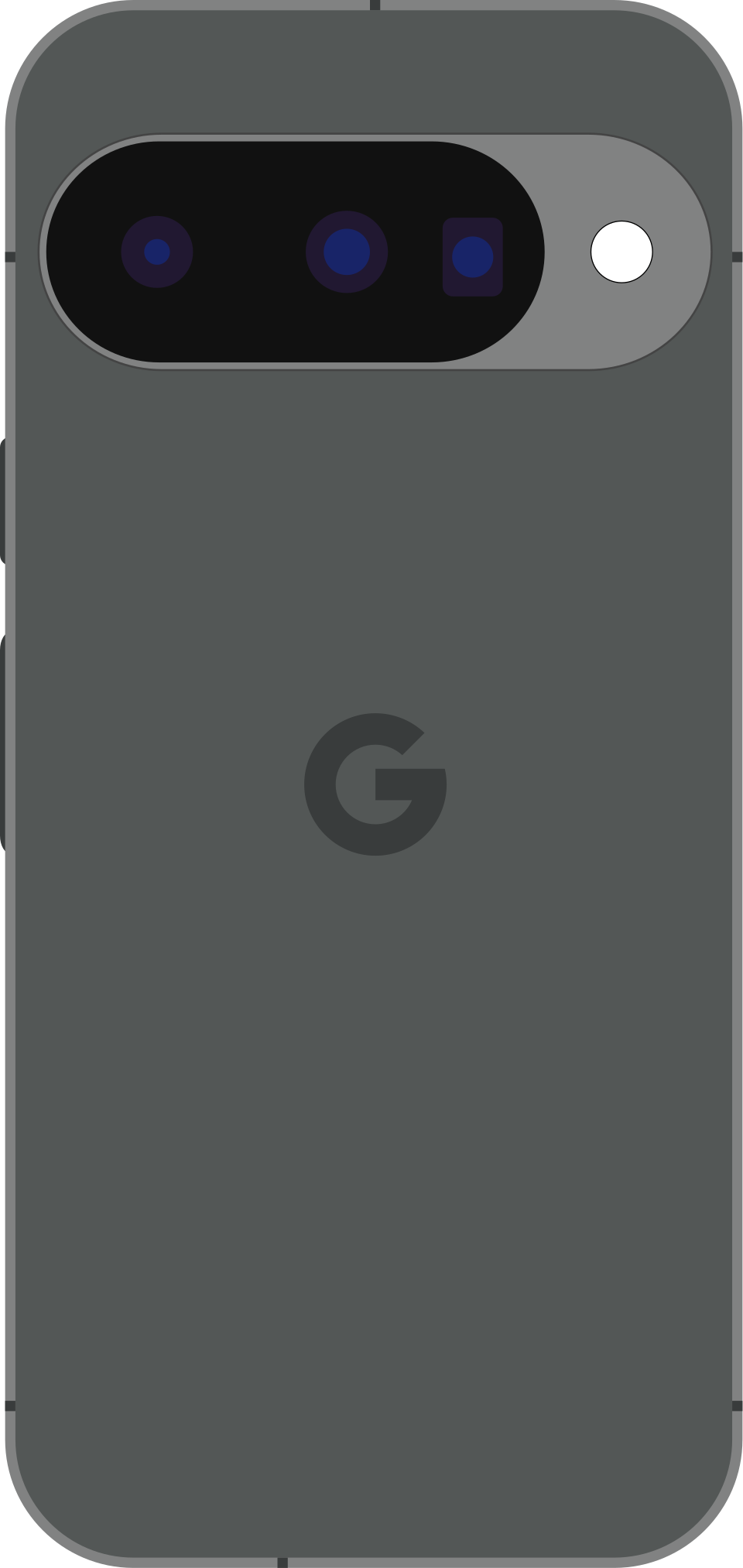
Google has closed much of that gap with its own Pixel line, committing to an extended multi-year window of both major OS updates and security patches on current-generation Pixel phones — a policy shift that puts Pixel devices closer to iPhone territory than any other Android brand currently matches. Because Google builds Android itself, Pixel phones also tend to get new OS versions immediately on release day, rather than waiting months like most other Android phones.
Samsung's Flagship Tier
Samsung has also made major commitments on its flagship Galaxy S and Z-series lines, promising several years of major OS updates plus additional years of security-only patches — a policy that, on paper, rivals Google's own. In practice, the rollout timeline for major updates tends to lag a few months behind both Apple and Google, since Samsung has to adapt each new Android version to its own software layer before shipping it.
Where Things Get Murkier: Mid-Range and Budget Android
Step outside the flagship tier from Samsung and Google, and update commitments drop sharply. Many mid-range and budget Android phones — including some models from OnePlus, Motorola, and other popular brands — still ship with only two to three years of major OS updates promised, and security-patch-only tails that are considerably shorter than what flagship buyers get. This is improving industry-wide as regulatory pressure (particularly in the EU) pushes manufacturers toward longer minimum support windows, but there's still a meaningful gap between what a $1,000+ flagship gets and what a $400 phone gets from the same company.
Why This Actually Matters
Software updates aren't just about getting new features — security patches close vulnerabilities that can be actively exploited, and running an unsupported phone means running unpatched security holes indefinitely. For anyone who keeps a phone for four-plus years (which describes a large share of buyers, especially outside the always-upgrade crowd), the length of the update window can matter as much as the chip inside the phone on day one, since a five-year-old flagship with current security patches will often be safer to use than a two-year-old budget phone that stopped receiving updates last year.
What EU Regulation Is Changing
Regulatory pressure, particularly out of the European Union, has started pushing minimum guaranteed software and security support windows upward across the entire industry, not just at the flagship tier. Rules requiring manufacturers to commit to multi-year security update minimums for phones sold in the EU market have already pushed several budget and mid-range brands to publish longer, clearer update commitments than they historically offered, and because manufacturers generally don't build entirely separate software policies per region, those improved minimums are increasingly showing up in update policies globally rather than staying EU-exclusive. This is one of the more consumer-friendly recent shifts in the phone industry, and it's worth watching over the next couple of years as more of these requirements phase in.
How to Check Before You Buy
Every major manufacturer now publishes its update commitment somewhere on its own website, usually on the specific product page or in a dedicated support-policy page, and it's worth the two minutes it takes to look it up before buying rather than assuming based on brand reputation alone — reputations can lag behind actual current policy, in both directions. Look specifically for two separate numbers: how many years of major OS version updates are promised, and how many additional years of security-patch-only support follow after that. A phone with strong marketing around "AI features" or camera specs can still have a mediocre update policy, and the only reliable way to know is to check the manufacturer's own published commitment rather than assuming from the price tag alone.
What Happens When Support Actually Ends
It's worth being concrete about what "end of support" actually means in practice, because the term gets used loosely. Once a phone stops receiving major OS updates, it typically continues to function normally for existing tasks, but it gradually falls behind on the newest OS-level features, and — more importantly — it eventually stops receiving even security-only patches as well, at which point any newly discovered vulnerability in the OS remains permanently unpatched on that device. Banking apps and other security-sensitive software increasingly check OS security patch levels and can refuse to run, or run with reduced functionality, on devices that have fallen too far behind. This is the practical, not just theoretical, reason update length matters even for buyers who don't care about new features for their own sake.
The Bottom Line
If long-term ownership matters to you, iPhone and Pixel currently offer the clearest, longest update commitments in writing. Samsung's flagship tier is close behind. Everything below that tier — across every brand, including budget and mid-range Android phones — requires checking the manufacturer's specific published policy before buying, since assumptions based on a brand's flagship reputation often don't hold at lower price points, and a five-minute check of the manufacturer's own support page before purchase can save years of frustration down the line — a small amount of research that pays off far longer than most other pre-purchase homework you might do on a new phone.