Whatever Happened to the microSD Slot? Expandable Storage in 2026 Flagship Phones
There was a time when a missing microSD slot was a dealbreaker for a huge share of Android buyers. In 2026, most flagship shoppers have to actively go looking to find a phone that still has one — and outside a single brand's lineup, they mostly won't.
The Slot Almost Nobody Kept
Samsung's Galaxy S20 series, released in 2020, was the last generation of the company's flagship Galaxy S line to include a microSD card slot. Every Galaxy S and Galaxy Note flagship since has shipped with fixed internal storage only, pushed instead toward offering higher base storage tiers and faster UFS chips to compensate. Apple's iPhones never had removable storage in the first place, and Google's Pixel line dropped it early in its history. By 2026, the practical result is that expandable storage has all but disappeared from flagship-tier Android phones, even though it remains fairly common on budget and lower-midrange devices where manufacturers are still trying to make small base-storage configurations feel less restrictive.
The One Flagship Holdout
Sony is the exception, and a deliberate one. The Xperia 1 VII and the newer Xperia 1 VIII both pair current flagship silicon — the Xperia 1 VIII ships with Snapdragon 8 Elite Gen 5 — with a microSDXC expandable storage slot, alongside features most other flagships abandoned years ago, like a 3.5mm headphone jack and dual front-firing stereo speakers. Sony has been explicit about who this is for: the Xperia line is aimed at photographers and video creators who are used to swapping memory cards in and out of dedicated cameras, and for that audience, being able to pull a card straight from a Sony Alpha camera and read it on the phone — or shoot high-bitrate 4K video straight to an easily removable card — is a genuine workflow advantage, not a nostalgia feature.
Why Manufacturers Walked Away From It
The decline wasn't just about following Apple's design philosophy. A few practical factors pushed manufacturers toward fixed internal storage. UFS (Universal Flash Storage), the storage standard now used inside virtually all flagship phones, is dramatically faster than microSD cards — current UFS 4.0 and 4.1 chips sustain read speeds several times higher than even fast microSD cards can manage, which matters for app load times, camera burst-shot buffering, and 4K/8K video recording. The UFS storage guide covers how big that performance gap actually is in practice. There's also a security and reliability argument manufacturers have made publicly: removable storage is easier to lose, easier to have fail mid-write during a card swap, and harder to fully encrypt and sandbox the way modern Android and iOS handle app data and photos on fixed internal storage.
There's a less charitable explanation too: storage tiers are a reliable margin lever. A jump from a 256GB to a 512GB or 1TB flagship variant routinely costs the buyer far more than the actual component cost difference, and that pricing structure only works if there's no cheap microSD workaround sitting right next to it undercutting the upsell.
What Buyers Actually Lose Without It
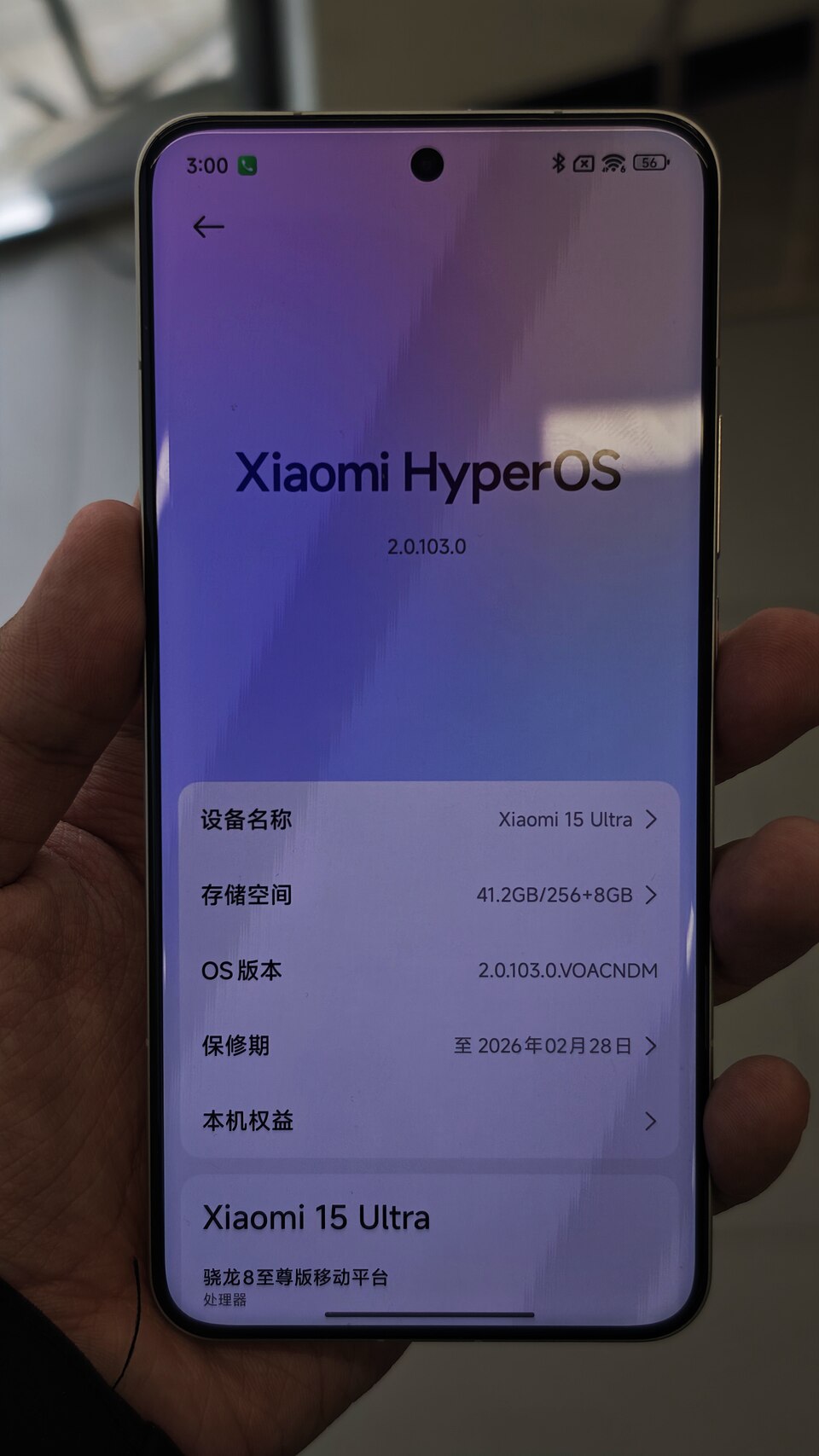
For most people, the loss is smaller than it would have been a decade ago. Cloud storage, streaming media, and app-based photo backup have replaced a lot of what microSD cards used to be used for — carrying a personal music library, storing downloaded video, or holding a photo backup independent of the phone itself. Where it still stings is for people recording a lot of raw or high-bitrate video, anyone managing storage across a fleet of phones without wanting to deal with cloud accounts for each one, and users in regions where mobile data is expensive enough that offline-first storage habits are still the norm rather than the exception. If any of those describe your use case, the Xiaomi 15 Ultra and similar recent flagships are worth checking carefully on storage tier before buying, since there's no expandable fallback if you guess low.
Buying Around the Limitation
Since a flagship purchase in 2026 almost always locks you into whatever internal storage tier you pick at checkout, the practical advice has shifted from "buy expandable storage" to "buy one tier higher than you think you need." Storage tiers are usually the cheapest per-gigabyte upgrade at the point of purchase compared to buying more later — there is no later, since the storage can't be added after the fact on a non-Sony flagship. It's also worth checking whether a phone offers cloud storage bundles at purchase, since several manufacturers now include a year or more of expanded cloud storage with higher-tier configurations, which can partly offset the lack of a physical card slot for people who mainly wanted overflow space rather than fast local read/write access.
The Speed Classes That Mattered When Cards Were Common
For anyone who still uses microSD cards, either in a holdout flagship or a budget phone, it's worth understanding that not all cards perform the same even at the same storage capacity. The SD Association's speed-class system uses several overlapping ratings: the Application Performance Class (A1 or A2) predicts how well a card handles running apps directly from it, which matters if you're using expandable storage for more than passive file storage, while the Video Speed Class (V6 through V90) and UHS Speed Class (U1 or U3) predict sustained write speed for continuous recording, which matters far more for shooting 4K or 8K video directly to the card. A card rated for basic photo storage can bottleneck badly or drop frames if used for high-bitrate video, which is part of why Sony explicitly recommends higher-rated cards for its Xperia line's video-focused shooting modes rather than treating any microSDXC card as interchangeable.
Is the Slot Coming Back?
There's little indication expandable storage is returning to mainstream flagships. UFS speed advantages over microSD have widened rather than narrowed with each generation, and manufacturers show no sign of giving up the storage-tier pricing structure. Barring a shift in Sony's approach or a surprising move from another manufacturer looking to differentiate, expandable storage looks set to remain a one-brand feature for the foreseeable future — a genuine trade-off to weigh rather than a feature every flagship buyer can assume they'll have.