Grey-Market and Parallel-Import Phones: What You Give Up on Warranty
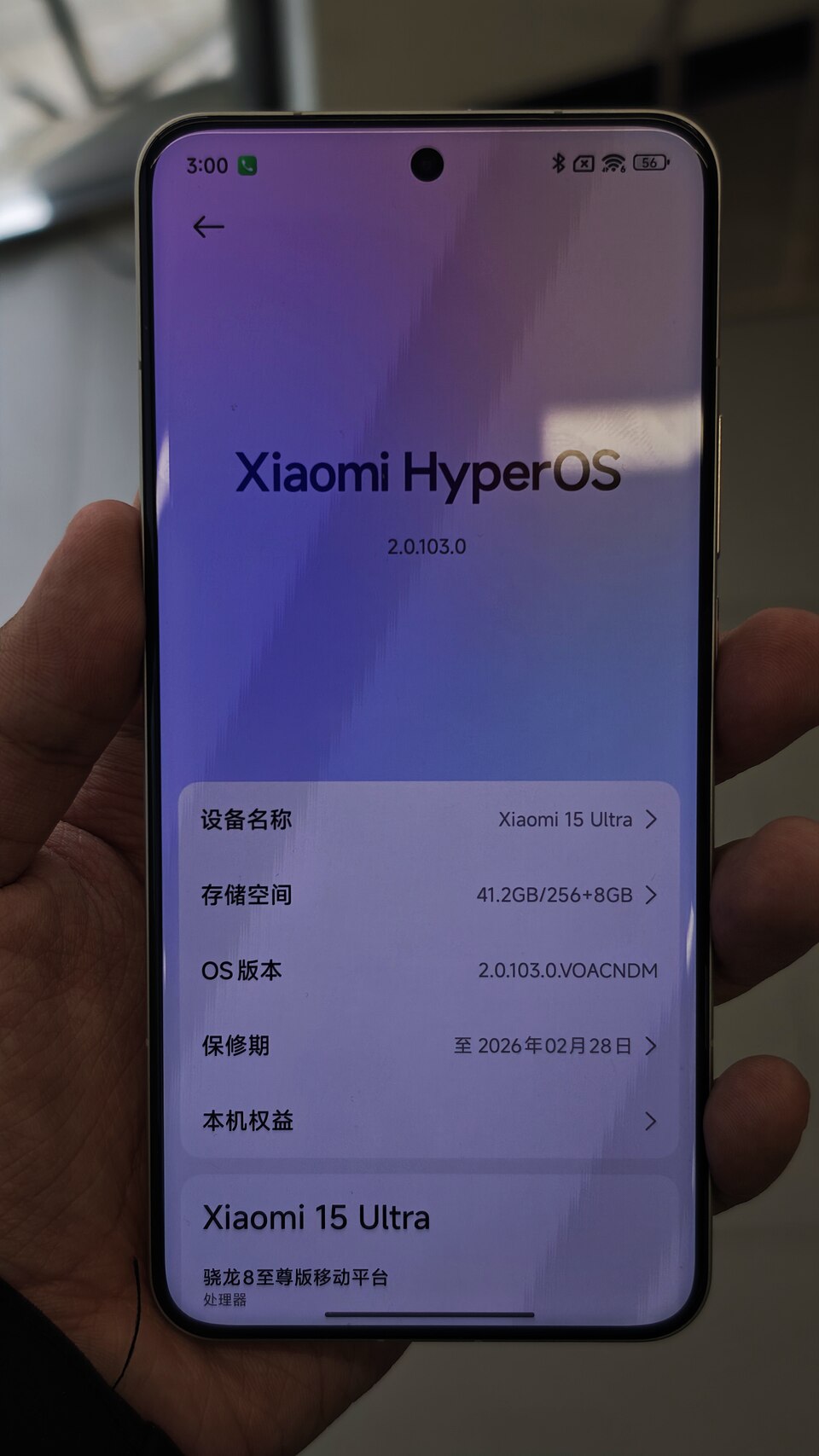
A brand-new flagship shows up on a marketplace listing for noticeably less than the official retail price, shipped from overseas, described as "international version, factory unlocked." It's tempting, and sometimes it's a genuinely good deal. It's also a different purchase than buying from an authorized retailer in your own region, with different rules about who will fix it if something goes wrong. This is the grey market, and it's worth understanding before you save money on a phone you can't get serviced.
What "Grey Market" Actually Means
A grey-market or parallel-import phone is a genuine, non-counterfeit device that was manufactured for sale in one region and then imported and resold in a different one, outside the manufacturer's official distribution channel for that market. This is different from a counterfeit phone (which is fake) and different from a used or refurbished phone bought secondhand in your own country. The phone itself is real. The problem is entirely about which region it was built and warrantied for, and whether that warranty travels with it.
This is especially common with phones from brands like Xiaomi, whose flagship "Ultra" tier phones are often sold in China or select global markets well before — or instead of — a full US retail launch. Our Xiaomi 15 Ultra importing guide covers one specific example of this trade-off in detail.
Why Manufacturers Region-Lock Warranty Coverage
Warranty service isn't actually run by "Apple" or "Samsung" as a single global entity — it's run through regional subsidiaries, each with its own service contracts, spare parts logistics, and consumer protection law obligations. A phone's international warranty status depends entirely on the brand: some manufacturers honor warranty claims globally through any authorized service center, while others explicitly restrict coverage to the country of original sale, meaning an authorized repair center in your country can legally refuse a free repair on a phone that wasn't sold there, even if it's identical hardware to the local version. Before importing anything, check the specific manufacturer's stated policy for that model — it varies enough between brands, and even between product lines from the same brand, that no blanket rule is safe to assume.
The Practical Risks Beyond Warranty
Warranty coverage is the headline risk, but it isn't the only one. A grey-market phone built for another region may ship with:
- Different cellular band support. A phone built for the Chinese or Indian domestic market may be missing specific LTE or 5G bands used by carriers in your country, which can mean spotty coverage, no 5G in some areas, or in rare cases no signal at all on certain carriers — this is the single most common complaint with imported phones and the one worth checking most carefully before buying.
- Missing regional certifications. Some safety and radio-frequency certifications (like FCC authorization in the US) are tied to the specific unit sold in that market, not just the model name.
- A different charging brick and plug. Cosmetic, but you'll likely need a separate charger or adapter.
- No NFC-based mobile payment support in some cases, since Google Pay/Apple Pay bank tokenization can be region-restricted even when the hardware itself has NFC.
- Software and update timelines that differ from the local version, including region-locked bootloaders on some Android phones that make certain carrier or software changes harder or impossible.
eSIM and Carrier Compatibility Specifically
As more flagships move to eSIM-only designs, region matters even more than it used to. Some regional variants of the same phone ship with different modem certifications or carrier allow-lists baked in at the factory, which can affect whether a specific carrier's eSIM profile installs cleanly. This is worth testing (or at least researching for your specific carrier) before committing to an imported unit, since eSIM activation problems are harder to troubleshoot than a simple physical SIM swap.
When Importing Actually Makes Sense
Grey-market importing isn't automatically a bad idea — it makes the most sense when: the phone genuinely isn't sold in your region at all and you specifically want that exact model (some Xiaomi Ultra-tier phones and certain regional ROG/gaming phone variants fall into this category); you've verified band compatibility with your specific carrier in advance using the manufacturer's published specifications; you're comfortable self-insuring the repair risk rather than relying on warranty coverage, perhaps through third-party electronics insurance instead; and the price gap is large enough to justify the added risk and hassle. It makes far less sense when the phone is already sold locally at a similar price through an authorized channel — at that point you're taking on real risk for little to no savings.
Consumer Protection Law Doesn't Travel With the Phone
It's easy to assume that consumer protection rules — the ones that guarantee a minimum repair or refund window on a faulty product — apply wherever you happen to be. They don't; they apply based on where the sale legally took place. If you buy from an overseas marketplace seller, your legal standing is generally governed by the seller's jurisdiction and the marketplace's own buyer-protection policy, not your local consumer law. That's a meaningfully weaker position than buying from a retailer operating in your own country, where local consumer protection statutes apply automatically regardless of what the fine print says. This is one of the more overlooked risks of grey-market buying: even if the seller is entirely honest, the legal safety net you're used to at home may simply not exist for this transaction, and disputing a bad-faith seller across borders is slow and often not worth the cost of the phone itself.
Payment method matters here too. Buying through a platform or credit card with strong buyer-protection guarantees (chargeback rights, purchase protection insurance) gives you a fallback that a direct bank transfer or cash-equivalent payment method does not. If you're going to accept grey-market risk, at minimum pay in a way that gives you a dispute path if the item never arrives or is materially not as described.
How to Reduce the Risk If You Do Import
A few concrete steps meaningfully cut down the downside. Buy from a seller with a clear, enforceable return policy rather than an anonymous marketplace listing, since your recourse if the phone arrives faulty is entirely down to the seller, not the manufacturer. Cross-check the exact model number (not just the marketing name) against your carrier's published compatible-devices list — model numbers like "SM-S938B" versus "SM-S938U" often indicate different regional hardware even when the retail name is identical. Ask the seller directly whether the unit includes access to that region's warranty network or only the country-of-sale network, and get it in writing if possible. And budget separately for a local repair fund or third-party insurance, since you likely can't rely on a walk-in authorized service center visit the way you could with a locally-purchased phone. If the math still works after accounting for that risk, importing can be a legitimate way to get hardware that otherwise isn't available to you — just go in with eyes open about what you're giving up.