Phone Resale Value in 2026: Which Brands Hold Their Value Best
Sticker price only tells part of the real cost of owning a phone — what it's worth when you eventually sell or trade it in matters just as much, and resale value varies dramatically between brands and even between models from the same brand. A phone that costs $200 more upfront but holds its value substantially better can end up being the cheaper phone to own over a two-year cycle once resale value is factored in.
Why iPhones Consistently Lead Resale Value Rankings
Apple devices hold their resale value better than almost any competing Android flagship, a pattern that's held consistently for years across every major resale and trade-in tracking service. Several factors drive this: Apple's long software support window keeps older iPhones fully functional and secure for years after release, the used iPhone market is deep and liquid with strong demand in both domestic and international markets, and Apple deliberately limits how aggressively it discounts current models, which keeps the entire price ladder — including used units — propped up relative to Android, where new-model discounting happens much more readily.
Samsung's Resale Value: Stronger at the Top, Weaker Below It
Samsung's flagship Ultra-tier devices hold value reasonably well, benefiting from the brand's strong global recognition and Samsung's own multi-year software update commitment closing much of the gap with Apple in recent years. Where Samsung's resale value drops off more sharply is in the immediate aftermath of a new flagship launch — Samsung's frequent trade-in promotions and aggressive launch-window discounting on the previous generation accelerate depreciation on outgoing models faster than Apple's more conservative new-model pricing does, a pattern covered in more depth in our Galaxy S25 Ultra price cuts coverage.
Google, OnePlus, and Xiaomi: The Steeper Depreciation Curve
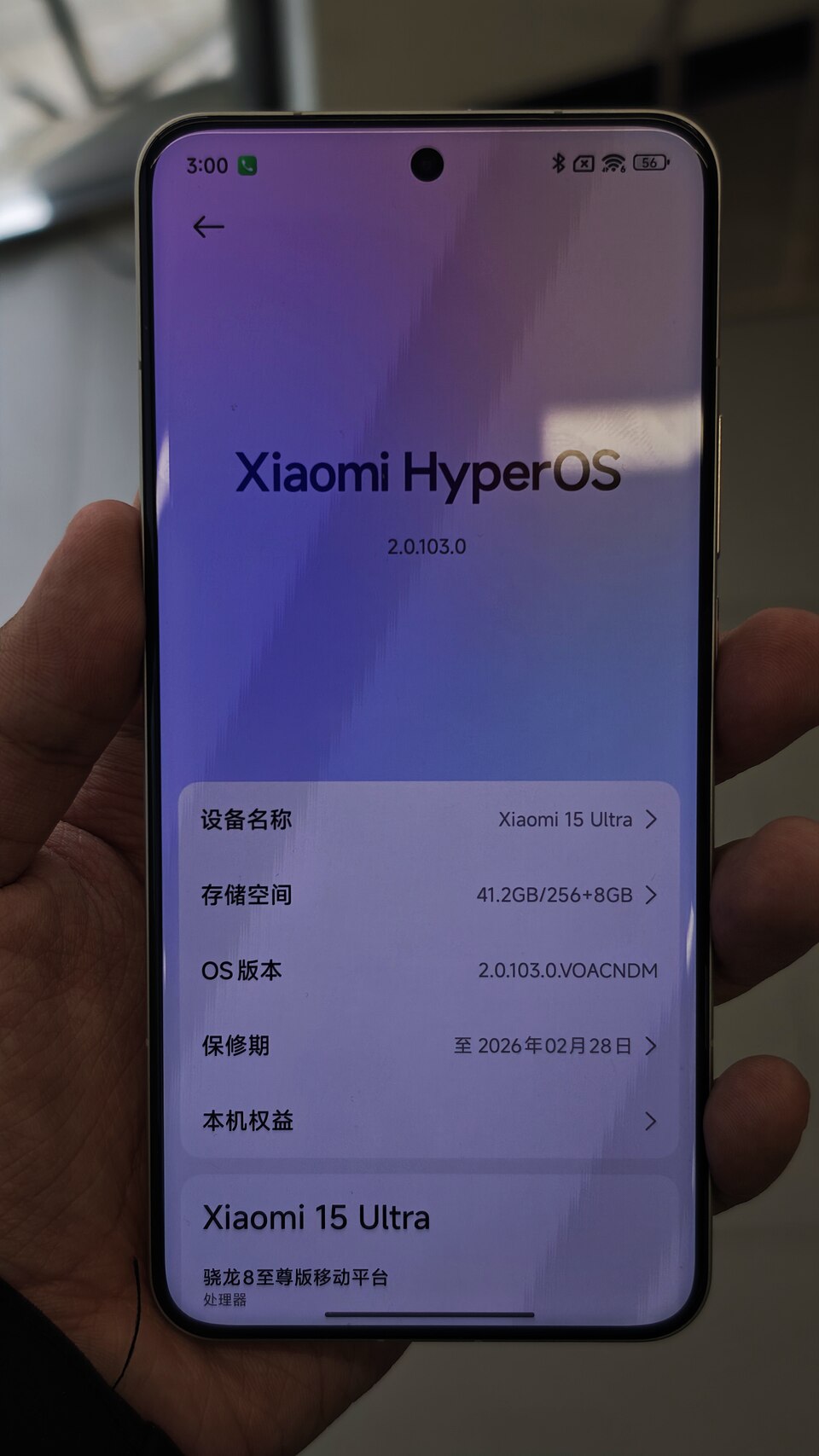
Pixel, OnePlus, and Xiaomi devices, despite genuinely competitive hardware and camera performance, consistently depreciate faster than Apple or Samsung's flagship tier on the resale market. This isn't a reflection of build quality or camera performance — it's largely a function of brand demand depth and used-market liquidity, since a smaller pool of buyers actively seeking a used Pixel or OnePlus device compared to iPhone or Galaxy naturally suppresses resale prices regardless of how good the phone actually is. Buyers who prioritize getting the most phone for their money upfront, and who don't weight resale value heavily in their decision, are well served by this dynamic — you're effectively getting the depreciation-adjusted discount immediately at purchase rather than eating it later at resale.
How Storage Tier Affects Resale Value
Higher storage configurations hold their value better proportionally than base storage tiers do, since used-market buyers specifically seeking more storage are willing to pay a premium for a higher-capacity used unit rather than buying base storage and dealing with constant space management. This means the price gap between buying a high-storage model new and buying base storage and upgrading storage needs some other way (which usually isn't even possible on a phone with no expandable storage) tends to shrink at resale time, making the higher storage tier a genuinely reasonable investment for buyers who plan to sell or trade in within two to three years.
Color and Condition: Underrated Resale Factors
Beyond brand and storage, cosmetic factors that seem trivial at purchase time meaningfully affect resale value. Neutral colors (black, white, gray) tend to resell faster and closer to top valuation than limited-edition or unusual color options, since the buyer pool for a neutral color is simply larger. Keeping the original box and accessories, while not always required for trade-in, meaningfully boosts private-sale value on marketplaces like eBay or Swappa, where buyers are willing to pay a premium for a complete, verifiably original package over a phone alone.
Trading In vs Selling Privately: The Value Gap
Manufacturer and carrier trade-in programs are consistently the most convenient option but rarely the highest-value one — private sale through a marketplace typically nets 15-30% more than an equivalent trade-in quote, at the cost of the time, effort, and minor risk involved in dealing directly with a buyer. Our trade-in programs comparison covers how Apple, Samsung, and Google's specific trade-in valuations compare if convenience matters more to you than squeezing out the last bit of resale value.
Refurbished Buyers Benefit From the Same Dynamics in Reverse
Everything that makes iPhone resale value strong for sellers makes buying a certified refurbished iPhone a comparatively smaller discount than buying a refurbished Android flagship — you're paying a premium for that same strong demand and liquidity as a buyer instead of benefiting from it as a seller. Our refurbished flagships guide covers where the best percentage discounts off original price actually show up across brands, which tends to favor exactly the brands that depreciate fastest new — Pixel and OnePlus refurbished units typically offer the steepest percentage savings off original launch price.
How Long You Keep a Phone Changes the Calculation
Resale value curves aren't linear — depreciation is steepest in the first year after a phone launches, then flattens out considerably in years two and three. This means a buyer who upgrades annually is far more exposed to a brand's first-year depreciation rate than someone who keeps a phone for three years and sells closer to the flatter part of the curve, where the percentage difference between brands narrows meaningfully. If you're a frequent upgrader, resale value differences between brands should weigh heavily on your purchase decision; if you typically keep a phone until it stops functioning well, the resale gap matters proportionally less to your total cost of ownership.
Carrier-Locked vs Unlocked: A Resale Multiplier
An unlocked phone consistently commands a higher resale price than the same model locked to a specific carrier, since an unlocked device has a larger pool of potential buyers — anyone on any carrier or traveling internationally — while a locked phone only appeals to buyers on that specific network. Buying unlocked from the manufacturer directly, even at the same sticker price as a carrier-subsidized unit, is one of the simplest ways to protect resale value without changing anything else about which phone you choose.
The Bottom Line
Resale value is a real, quantifiable part of total ownership cost that's easy to ignore when comparing sticker prices alone. Apple's flagships remain the clear leader for buyers who plan to sell or trade in within a few years, Samsung's Ultra tier holds up reasonably well outside promotional windows, and Pixel, OnePlus, and Xiaomi's steeper depreciation curves are better thought of as an upfront discount than a drawback, depending entirely on whether you value getting more phone for less money now or preserving more value for later.