Why Flagship Phones Keep Getting More Expensive
A flagship phone that cost $699 a decade ago routinely costs $1,000 or more today, and the increase has consistently outpaced general inflation over the same period. Camera systems, chipsets, and displays have all genuinely improved, but that alone doesn't fully explain the climb. A handful of less-visible cost pressures — component sourcing, memory pricing, manufacturing complexity, and trade policy — are doing more of the work than most buyers realize.
Memory and storage costs are rising, not falling
Component costs in electronics have historically trended downward year over year as manufacturing scales and matures — the opposite is happening right now with memory. Our recent coverage of RAM pricing detailed how surging AI-related demand for memory chips has pushed RAM and storage costs up industry-wide, and phone manufacturers are absorbing part of that increase directly into their bill of materials. A flagship shipping with 16GB of RAM and a large UFS 4.0 or 4.1 storage tier now carries a meaningfully higher memory cost than an equivalent configuration would have just two or three years ago — and that cost pressure shows up most directly in the pricing of higher-storage configurations specifically.
Camera and display hardware got genuinely more expensive
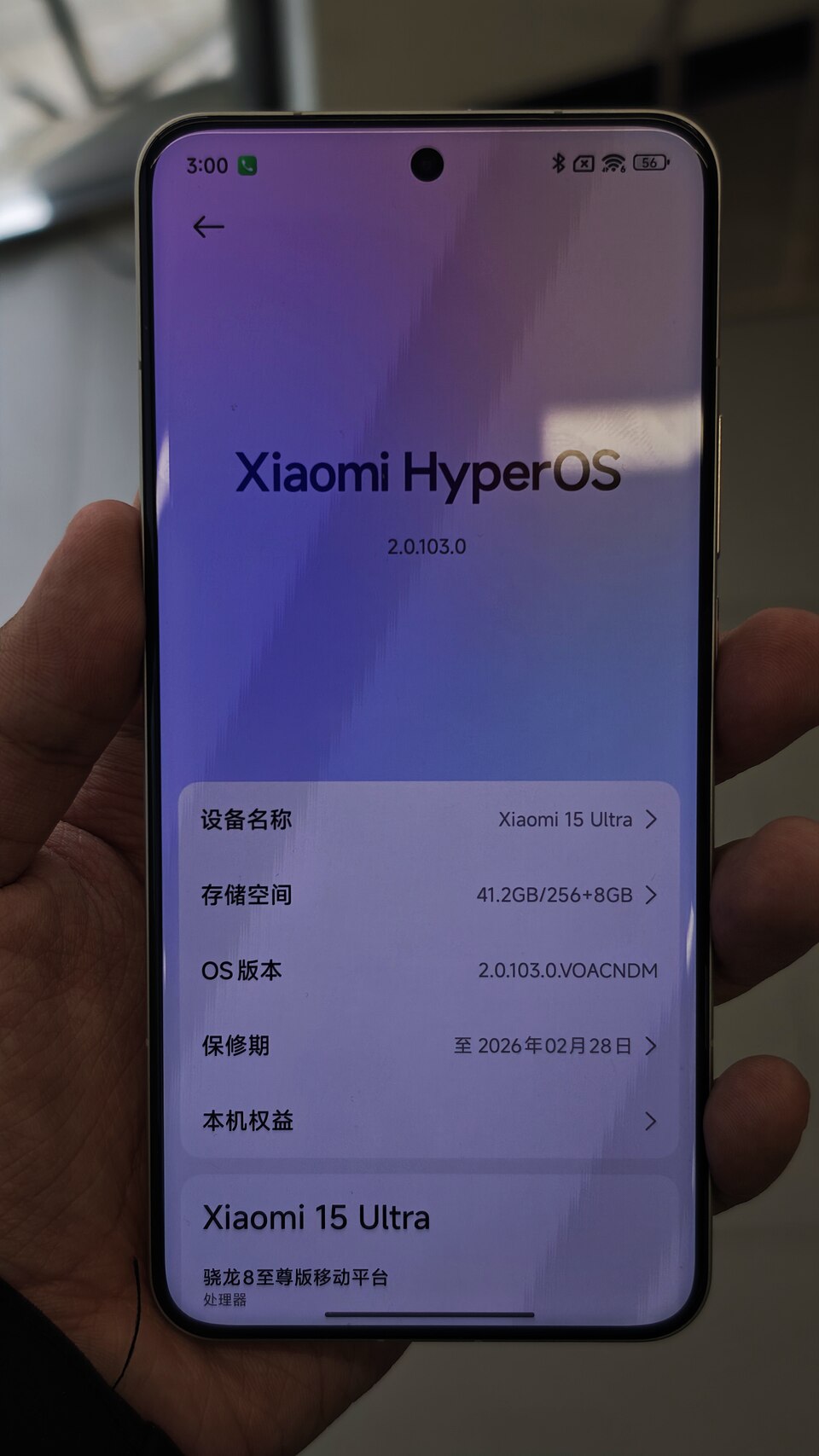
Periscope telephoto modules, gimbal stabilization systems, and high-brightness LTPO display panels are all considerably more complex and expensive to manufacture than the camera and display hardware flagship phones shipped with a decade ago. A phone like the Xiaomi 15 Ultra, with its Leica-tuned triple-camera array and 3,200-nit display, is using components that simply didn't exist at any price point a generation or two ago. That's genuine value being added, not pure inflation — but it also means the cost floor for a phone that wants to compete on camera and display quality has risen independent of any broader economic pressure.
Manufacturing complexity adds cost in less visible ways
Titanium frames, silicon-carbon battery cells, and gimbal-stabilized camera modules all require more precise, more expensive manufacturing processes than the aluminum frames and simpler graphite-based batteries they replaced. Titanium in particular is notably harder to machine into thin, precise phone-frame shapes than aluminum, which is part of why it took years longer to reach phones than its material properties alone would have suggested was possible. Every one of these premium-feeling upgrades that reviewers and buyers responded well to also raised the actual cost of building the phone, and that cost gets passed through to the retail price rather than absorbed by the manufacturer. Multiply a few extra dollars of per-unit cost across dozens of individual components and the cumulative effect on a phone's final bill of materials is substantially larger than any single upgrade would suggest in isolation.
Trade policy and tariffs are a newer factor
Beyond component and manufacturing costs, shifting trade policy between major manufacturing regions and large consumer markets has added a genuinely unpredictable cost variable that didn't meaningfully exist in phone pricing a decade ago. Tariffs on electronics components and finished devices moving between manufacturing hubs and end markets can shift a phone's landed cost by a meaningful percentage depending on where final assembly happens and which components cross which borders along the way. Manufacturers have responded by diversifying manufacturing locations for final assembly, but relocating and requalifying an entire supply chain takes years, not months, meaning near-term pricing still reflects a certain amount of exposure to policy that can change faster than a factory can move. For buyers, the practical takeaway is that a phone's launch price this year isn't a reliable predictor of what an equivalent phone will cost next year — trade policy alone can move that number independent of anything the manufacturer actually changes about the device itself.
Why manufacturers rarely lower prices even when a specific cost pressure eases
Pricing in the phone industry tends to be sticky in one direction — once a flagship tier settles at a given price point, it rarely drops back down even if a specific input cost (say, a temporary memory price spike) later eases, since manufacturers use that headroom to fund the next generation's camera or display upgrade instead of returning the savings to buyers. This is part of why flagship pricing has trended in one direction over the past decade even though individual cost pressures have fluctuated up and down along the way — the net effect of each generation's added capability plus underlying cost pressure has consistently outweighed any temporary relief.
Labor and regulatory compliance costs have also crept upward
Beyond materials and trade policy, manufacturers now absorb meaningfully higher compliance costs than a decade ago — expanded environmental reporting requirements, the EU's evolving battery and repairability regulation covered in our right-to-repair coverage, and stricter labor and sourcing audits across a global supply chain all add cost layers that weren't part of building a phone ten years ago. None of these individually accounts for a large share of a phone's retail price, but stacked together across a global supply chain shipping hundreds of millions of units, they add up to a real, structural cost increase that shows up in pricing across the entire industry rather than any single manufacturer's choices.
What this means for how you should shop
Given this trajectory, the practical response for a lot of buyers has been shifting toward previous-generation and refurbished flagship purchases rather than always buying the newest model at launch, since the price gap between "current flagship" and "one generation behind" has widened even as the absolute performance gap between those two tiers has narrowed. A phone like the current OnePlus 13 delivers hardware that would have been considered a genuine high-end flagship at almost any price point just a few years earlier, at a price meaningfully below where the very top tier now sits. Understanding why prices are climbing doesn't reverse the trend, but it does help frame a more deliberate buying decision — paying for genuinely new capability makes sense; paying flagship-tier prices purely to stay at the bleeding edge of a spec sheet increasingly doesn't for most typical buyers.