Best Phones Under $800
You don't need a $1,200 flagship to get a genuinely fast, capable phone in 2026. A handful of models now pack flagship-tier chipsets, high-refresh displays, and strong cameras while staying under the $800 mark.
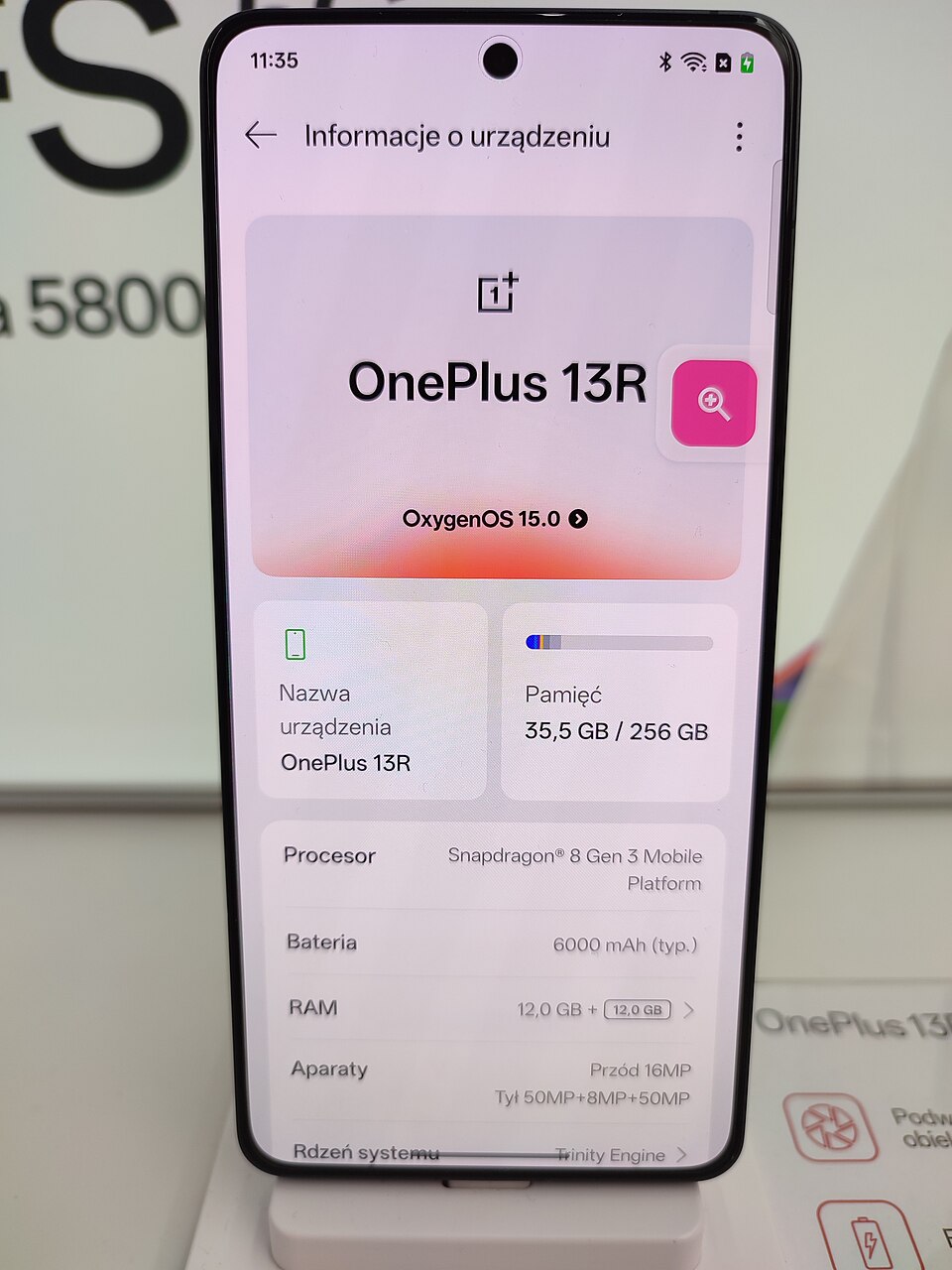
The OnePlus 13R is the clearest example: it carries over the Snapdragon 8 Gen 3 chipset and a 6000mAh battery from OnePlus's own flagship line, only trimming the telephoto zoom range and wireless charging speed to hit its lower price. If raw endurance matters most to you, the 13R's battery capacity alone puts it ahead of most phones at any price.
Apple's iPhone 17 is the other standout in this range, launching at $799 with a 120Hz LTPO display for the first time on a base-model iPhone, plus the A19 chip and a dual 48MP camera system. It is the most balanced pick if you want iOS without stepping up to the Pro tier.
The Nothing Phone (3) also lands at $799 and takes a different approach entirely, leaning on its transparent Glyph-lit design and a Snapdragon 8s Gen 4 chipset rather than chasing spec-sheet supremacy. It is the pick for buyers who want their phone to look and feel different from the rest of the market.
Whichever you choose, all three prove that sub-$800 no longer means compromise on the fundamentals — chipset, display, and battery life are all genuinely competitive with phones costing hundreds more.
How We Picked These Three
We limited this list to phones that ship with a current-generation flagship or near-flagship chipset, not a two-generation-old processor repackaged at a lower price — a common trick in the sub-$800 tier that leaves buyers with a phone that feels dated within a year. All three picks here also ship with at least a 120Hz display, a main camera that holds up in daylight and mixed indoor lighting, and a battery rated for a full day of moderate-to-heavy use without needing a midday top-up. Phones that hit the price target only by cutting one of those three fundamentals were left off this list, even when their spec sheet otherwise looked competitive on paper.
OnePlus 13R vs iPhone 17: Which Fits Your Priorities
These two phones make sense for almost opposite reasons. The full OnePlus 13R spec sheet shows a phone built around raw performance and endurance — a bigger battery, faster wired charging, and a chipset that benchmarks closer to true flagship silicon than anything else near this price. The iPhone 17 spec sheet tells a different story: Apple prioritizes software longevity, camera consistency, and the wider Apple ecosystem (iMessage, AirDrop, Apple Watch pairing) over chasing benchmark scores. If you already own a Mac or iPad, the iPhone 17's integration advantages are hard to replicate on Android at any price. If you just want the fastest, longest-lasting phone for the money and don't care about ecosystem lock-in, the 13R is the more aggressive value pick.
What You Actually Give Up At This Price
All three phones trim something to hit their price point, and it's worth knowing what before you buy. The OnePlus 13R's telephoto camera is a lower-resolution sensor than its flagship sibling, so serious zoom photography isn't its strength. The iPhone 17 sticks to a dual-camera system rather than the Pro's triple-lens setup, meaning no dedicated telephoto lens at all — you're relying on digital crop for anything beyond 2x. The Nothing Phone (3) trims the most aggressively on camera processing speed and software update cadence compared to Samsung or Google, even though its hardware specs look competitive on paper. None of these are dealbreakers, but each shapes which phone actually fits your habits rather than just your budget.
Charging and Battery Life Matter More Than the Spec Sheet Suggests
If fast charging specifically is a priority alongside price, it's worth reading our dedicated breakdown of which phones charge fastest right now — the gap between these three is bigger than most buyers expect, and it can matter more day-to-day than almost any other spec on this list. The OnePlus 13R's charging speed alone can mean the difference between topping up during a coffee break and needing a dedicated charging window before you leave the house.
Is the Nothing Phone (3) Actually Worth Considering?
Of the three, the Nothing Phone (3) is the hardest to recommend purely on specs, and the easiest to recommend on personality. Our full Nothing Phone (3) review goes into more detail, but the short version is: if you've grown tired of every phone in this price range looking and feeling identical, Nothing's transparent design and Glyph lighting genuinely stand out in a way that's difficult to put a price on. If you just want the most capable phone for the money with no interest in design novelty, the OnePlus 13R or iPhone 17 will serve you better.
Is It Worth Waiting for a Sale Instead?
All three of these phones are new enough that meaningful discounts are still rare outside of major shopping holidays, but it's rarely a bad idea to wait a few weeks if your current phone still works. Retailers and carriers routinely knock $50-100 off phones in this tier during Black Friday and back-to-school sales windows, and trading in an old device at the same time can stack with those discounts. If your current phone is genuinely struggling — poor battery life, a cracked screen, or software that's stopped receiving updates — buying now rather than waiting is the more sensible call, since the daily frustration cost outweighs a modest future discount.
The Bottom Line
Under $800 is no longer a compromise tier the way it was five years ago. The OnePlus 13R wins on raw specs and battery life, the iPhone 17 wins on ecosystem integration and long-term software support, and the Nothing Phone (3) wins on standing out from everything else on this list. Pick based on which of those three things — performance, ecosystem, or design — actually matters most to how you use your phone day to day, and any of the three will feel like a genuine upgrade rather than a budget concession.