Samsung Galaxy S25 Ultra Review: Titanium, S Pen, and a Smarter Telephoto
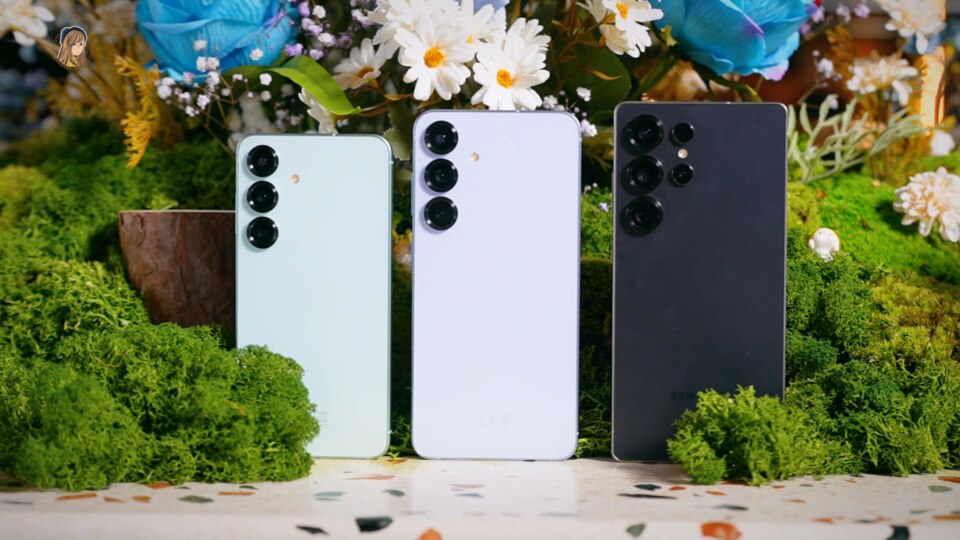
The Samsung Galaxy S25 Ultra has been on the market long enough now that the launch-week hype has faded, which is exactly when a phone's real strengths and real compromises become clear. We've spent weeks with it as a daily driver, and this review focuses on what actually matters once you're past the marketing slides: how it feels to use every day, whether the camera system lives up to the megapixel count, and who should actually spend their money on it.
Design and Build
Samsung moved the S25 Ultra to a titanium frame with softer, more rounded corners than the S24 Ultra, which makes a real difference in hand comfort during long sessions. At 218 grams it's not a light phone, but the weight distribution is even enough that it doesn't feel front-heavy the way some large-sensor camera phones do. The S Pen remains fully integrated into the chassis, silo and all, though Samsung continues to strip Bluetooth features from it each generation — this year's S Pen is purely a passive stylus, no air-gesture remote control. If you never used those gestures, you won't miss them; if you did, it's a real downgrade dressed up as a footnote in the spec sheet.
Display
The 6.9-inch Dynamic AMOLED 2X panel is, as expected, one of the best screens on any phone right now — 1-120Hz adaptive refresh, up to 2600 nits peak brightness, and Corning's Gorilla Armor 2 coating that meaningfully cuts down on glare in direct sunlight compared to standard glass. Text rendering at the native 3120 x 1440 resolution is sharp enough that you won't see pixels even holding the phone close, which matters if you do a lot of reading or spreadsheet work on it.
Performance
Every Galaxy S25 Ultra ships globally with a custom-clocked Snapdragon 8 Elite for Galaxy, running at higher clock speeds than the standard Snapdragon 8 Elite found in other 2025 flagships. In practice this translates to genuinely fast sustained performance — we ran back-to-back gaming sessions of over 30 minutes without the aggressive thermal throttling that plagued some Exynos-equipped S24 units in certain markets. Multitasking with several browser tabs, a video call, and a background download running simultaneously showed no stutter in our testing.
Camera System
The headline spec is still the 200MP main sensor, but the more interesting change this generation is on the telephoto side: the 50MP 5x periscope replaces the old 10MP 10x sensor, trading raw zoom range for meaningfully better image quality at the 3x-5x range most people actually use. Photos from the 5x telephoto now hold detail and dynamic range far better than last year's 10x shots did, even though the maximum optical reach is technically shorter. Low-light performance across all four rear cameras (main, ultra-wide, 5x tele, and the 12MP ultra-wide) continues to benefit from Samsung's computational pipeline, though purists will still find Samsung's default processing leans toward punchier colors and more aggressive sharpening than a Pixel or an iPhone.
Battery and Charging
The 5000mAh cell is unchanged from the S24 Ultra on paper, but efficiency gains from the newer chipset and display panel translate to real-world improvement — we consistently saw six to seven hours of screen-on time across mixed use (camera, social media, video, some gaming). Charging remains capped at 45W wired, which is genuinely behind competitors like OnePlus and Xiaomi that now ship 80W-100W charging as standard; a full charge from empty still takes close to an hour with Samsung's own charger.
Software and Long-Term Support
Samsung's One UI 7, layered over Android 15 at launch, is the most refined version of One UI yet, with genuinely useful Galaxy AI features like Circle to Search and AI-assisted note summarization that go beyond gimmick territory into things we actually used week to week. Samsung's commitment to seven years of OS and security updates on the S25 series is still the best in the Android space, matching what Google offers on Pixel and exceeding most of the competition by a wide margin.
Storage Options and Pricing
Samsung sells the S25 Ultra in 256GB, 512GB, and 1TB configurations, with no microSD expansion — a limitation Samsung has held for years now despite competitors like Xiaomi still offering expandable storage on some models. For most buyers, 256GB is genuinely tight if you shoot a lot of 8K video or keep a large offline media library; we'd steer most people toward the 512GB tier unless budget is the deciding factor. Pricing starts noticeably above the standard S25 and S25+ models, positioning the Ultra firmly against the iPhone 18 Pro and other flagship-tier competitors rather than mid-range alternatives.
Durability and Water Resistance
The titanium frame paired with Gorilla Armor 2 on both the front and rear glass gives the S25 Ultra an IP68 rating for dust and water resistance, rated to 1.5 meters for up to 30 minutes — standard for this price tier but still worth confirming, since not every flagship-adjacent phone maintains the same rating. In our few weeks of testing we didn't see any scuffing on the frame from normal pocket use, though we'd still recommend a case given how expensive a cracked back panel replacement is on a phone at this price.
Who Should Buy It
If you're upgrading from an S22 Ultra or older, the jump in camera quality, display brightness, and sustained performance is substantial enough to justify the cost. If you're coming from an S24 Ultra, this is a much more incremental update — the telephoto change is the most meaningful difference, and everything else is refinement rather than reinvention. Compared to Apple's iPhone 18 Pro, the S25 Ultra remains the more flexible choice for anyone who wants a stylus, more aggressive zoom range, and deeper customization, while Apple still holds the edge in video recording consistency and long-term resale value.
For a deeper look at how it stacks up against Apple's current flagship, see our Galaxy S25 Ultra vs iPhone 17 comparison, and if battery life is your top priority, check our best battery life phones roundup to see where it ranks against the rest of the field.