MediaTek vs Snapdragon in 2026: What the Chip Inside Your Phone Actually Means
Chipset comparisons used to be simple: Snapdragon meant flagship, MediaTek meant budget, and the decision practically made itself. As covered in our recent look at MediaTek's rise, that shorthand no longer reliably holds. If you're comparing two phones and one runs a MediaTek Dimensity chip while the other runs a Qualcomm Snapdragon, here's what actually matters for how you should weigh that difference.
Start with the specific tier, not just the brand name
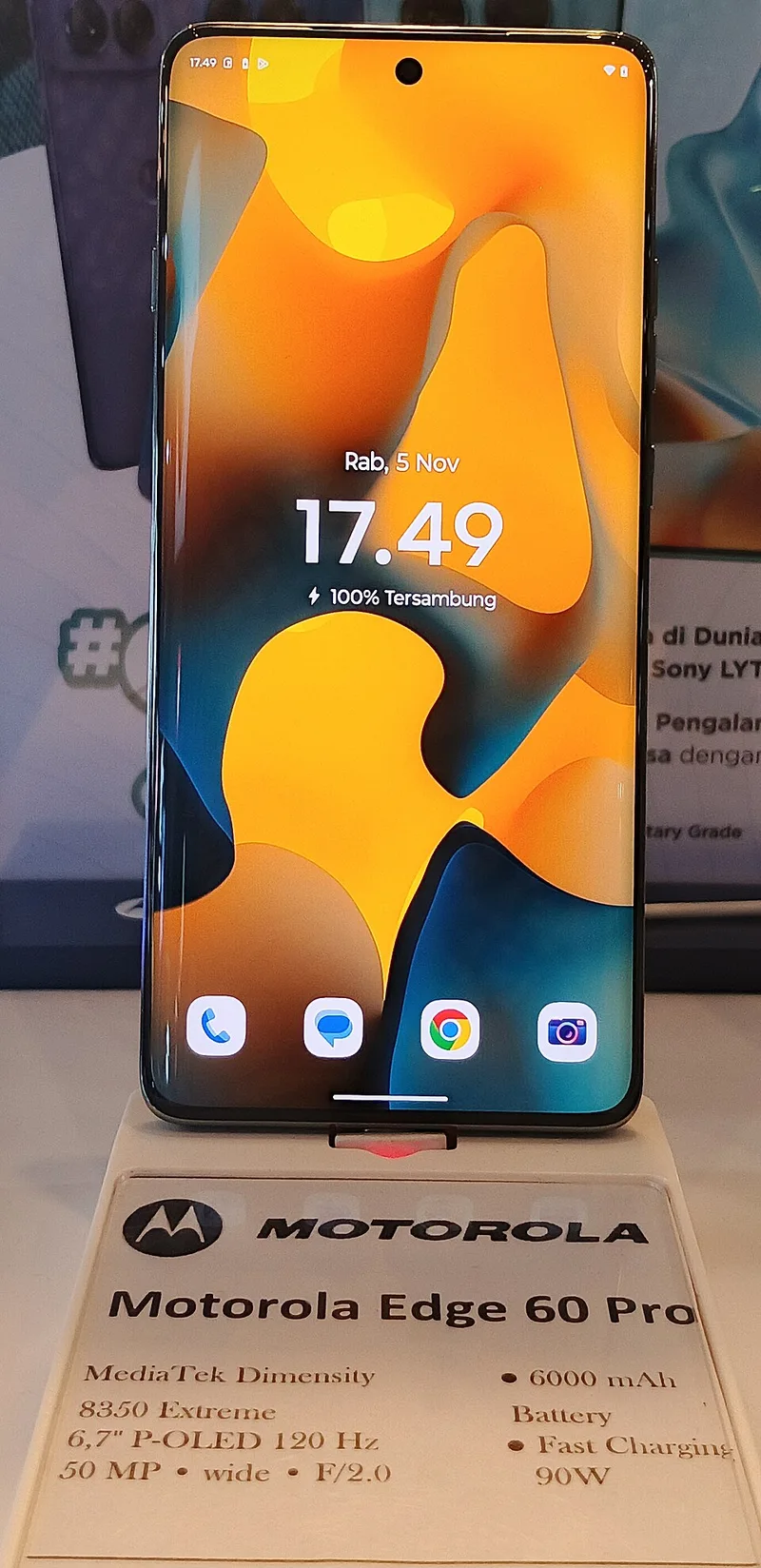
Both Qualcomm and MediaTek ship a wide range of chips spanning budget to flagship tiers, and comparing brand names alone tells you almost nothing without knowing the specific tier. A Snapdragon 8 Elite, found in phones like the OnePlus 13, sits at the absolute top of Qualcomm's current lineup. A budget Snapdragon 4-series chip shares a brand name but competes in a completely different performance and price category. The same is true on MediaTek's side — a Dimensity 9000-series or "Extreme"-tier chip, like the one in the Motorola Edge 60 Pro, is a genuine flagship-tier competitor, while a Dimensity 6000-series chip is aimed squarely at budget phones. Always compare the specific model number, not the parent brand.
Peak benchmarks versus sustained performance
A chip's marketing headline number almost always reflects a brief peak benchmark run — a few seconds of maximum computational effort before the chip has to throttle back to manage heat. That number matters far less in daily use than sustained performance: how well a chip holds a high clock speed over 20-30 minutes of continuous load, the kind of workload a long gaming session or extended video export actually creates. When comparing two specific chips, look specifically for independent review outlets that run stress-test benchmarks rather than a single quick pass — that distinction reveals which chip will actually feel faster during the demanding moments that matter most, rather than which one wins a synthetic number that rarely reflects real usage.
GPU performance still tends to favor Qualcomm at the top end
Even as MediaTek has closed much of the CPU performance gap, Qualcomm's Adreno GPU architecture in its top Snapdragon 8 Elite tier generally maintains a real edge in the most demanding mobile games at maximum graphics settings. This gap matters most specifically to serious mobile gamers pushing graphically intensive titles at peak settings — for typical gaming, casual titles, and everyday app use, both companies' current flagship-tier GPUs are more than capable, and the difference becomes difficult to perceive without deliberately benchmarking side by side.
Manufacturing process node is not always a reliable shortcut
A smaller manufacturing process node (measured in nanometers) generally correlates with better power efficiency at a given performance level, and both companies now source competitively advanced nodes from the same foundry partners in many cases. It's tempting to use "3nm beats 4nm" as a simple proxy for which chip is better, but real-world efficiency depends heavily on chip design choices layered on top of the process node itself — two chips built on an identical process node can still deliver meaningfully different battery efficiency and sustained performance depending on how well each company's engineers tuned the design. Treat process node as one data point among several, not a decisive one by itself.
Software and camera tuning maturity
Qualcomm's longer track record supplying flagship-tier chips has historically translated into more mature image signal processor (ISP) tuning and broader manufacturer software optimization built up over more product generations. MediaTek has closed much of this gap as its flagship-tier chips have matured, but it's still worth checking independent camera reviews for a specific phone rather than assuming chip brand alone predicts camera processing quality — the camera module, sensor, and software tuning layered on top of any chip matter as much as the chip's raw ISP capability.
5G band support and regional carrier compatibility
If you're buying a phone for use with a specific carrier, or considering an imported phone the way our Xiaomi 15 Ultra import guide discusses, checking specific 5G band support matters more than chip brand. Both companies support the major global 5G bands in their current flagship-tier chips, but regional variants and specific carrier band combinations can still differ meaningfully between individual phone models regardless of which chipmaker's silicon is inside, so confirming band compatibility with your specific carrier remains worth doing independent of the chipset comparison.
Battery efficiency is where chip design choices show up most clearly
Two chips can post nearly identical benchmark scores while delivering noticeably different real-world battery life, because efficiency depends on how conservatively or aggressively a manufacturer tunes voltage and clock speed for everyday tasks rather than just peak performance. This is one of the areas where checking a specific phone's actual measured screen-on time in independent reviews tells you more than comparing chip specifications on paper — a flagship-tier chip paired with poor thermal design or aggressive power tuning can underperform a supposedly lesser chip that's been tuned more conservatively by its manufacturer. Battery capacity, chemistry (like the silicon-carbon cells covered in our flagship pricing analysis), and display efficiency all interact with the chipset to determine real-world battery life, which is exactly why chip brand alone is such an incomplete predictor of how long a phone actually lasts between charges.
The bottom line for buyers
Don't treat "MediaTek" or "Snapdragon" as a shorthand verdict on a phone's quality. Look up the specific chip model in both phones you're comparing, check independent sustained-performance benchmarks rather than peak numbers alone, and weigh GPU-heavy gaming performance only if that's genuinely how you use your phone. A well-tuned MediaTek flagship-tier chip in a phone like the Edge 60 Pro can comfortably outperform an older or lower-tier Snapdragon chip in a pricier phone — the specific generation and tier matter far more than the brand name printed on the spec sheet.
If you're weighing this decision for a specific purchase and gaming performance is your top priority, our best phones for gaming guide covers exactly how chip choice interacts with cooling, battery, and display refresh rate to determine real sustained performance — the fuller picture that a chip name alone can never tell you.