Motorola Edge 60 Pro vs OnePlus 13R: Best Phone Under $600?
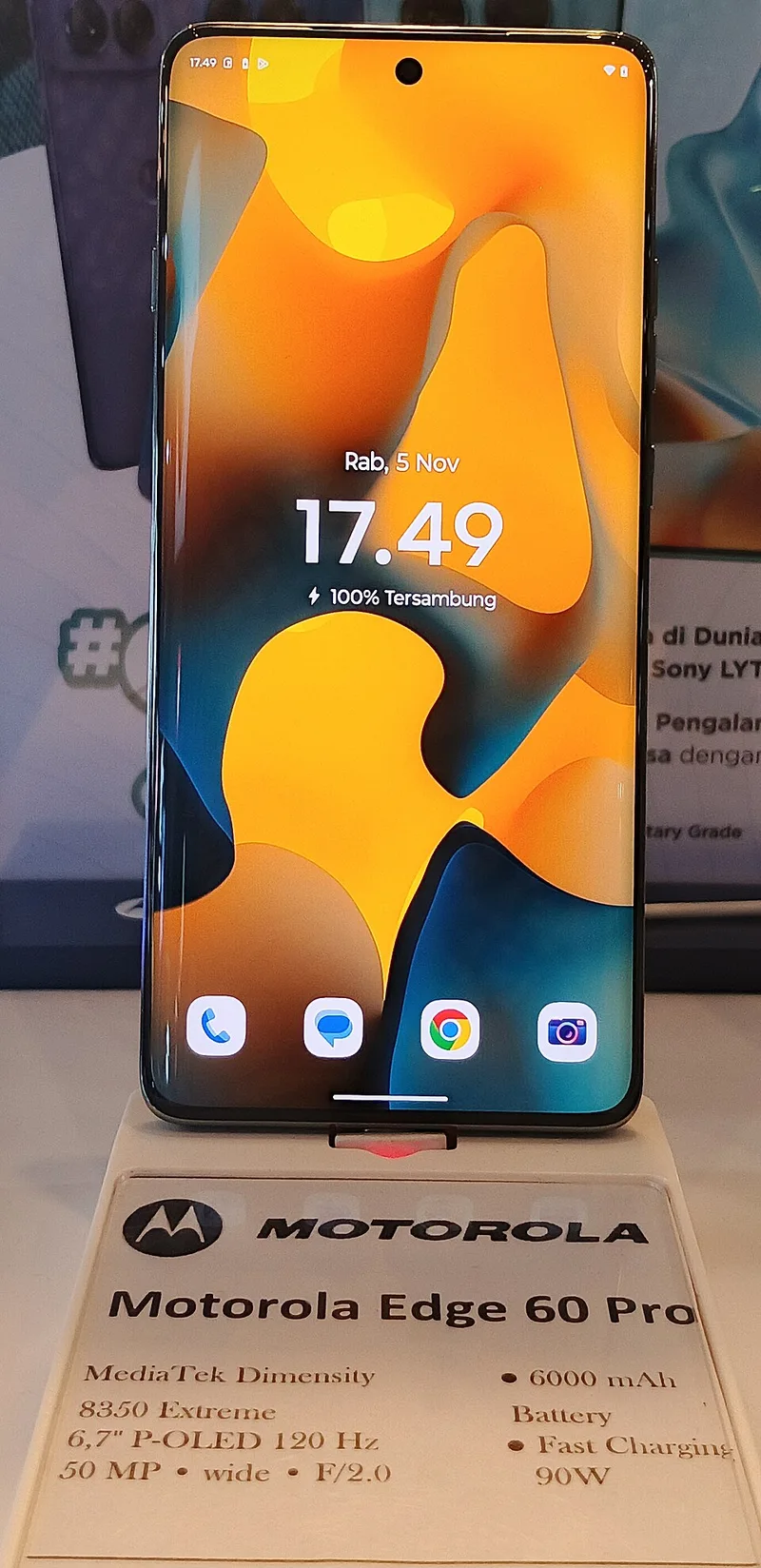
The sub-$600 Android segment is where the real value fights happen, and two of the strongest current contenders are the Motorola Edge 60 Pro and the OnePlus 13R. Both undercut true flagships significantly while keeping most of the hardware that actually matters day to day — but they make different bets about where to spend their budget.
Chipset: A Real Performance Gap
This is the most significant difference between the two. The 13R runs a Snapdragon 8 Gen 3, a genuine flagship-tier chip from the previous generation, while the Edge 60 Pro uses a MediaTek Dimensity 8350 Extreme — a strong mid-range chip, but one that trails the 8 Gen 3 in both raw benchmark performance and sustained gaming thermals. If mobile gaming or heavy multitasking is a priority, the 13R has a clear and measurable edge here, not just a paper-spec advantage.
In everyday non-gaming use — messaging, browsing, streaming — the gap narrows considerably, and most people switching between the two wouldn't notice a meaningful difference in day-to-day responsiveness.
Display
Both phones use 120Hz OLED panels, with the 13R's 6.78-inch LTPO ProXDR display edging out the Edge 60 Pro's 6.7-inch P-OLED panel on brightness headroom and the added power efficiency LTPO's variable refresh rate provides. In everyday outdoor visibility, the 13R has a slight but noticeable edge, particularly in direct sunlight where peak brightness matters most.
Camera Systems
The Edge 60 Pro pairs a 50MP main sensor (Sony LYT-700C) with a 10MP 3x telephoto and 50MP ultra-wide, while the 13R runs a 50MP main (Sony LYT-700, with OIS) alongside a 50MP 2x telephoto and a more modest 8MP ultra-wide. The Edge 60 Pro's longer 3x telephoto reach is a genuine advantage for anyone who shoots zoomed shots regularly, while the 13R's OIS-stabilized main sensor tends to produce steadier low-light shots and handheld video. Neither camera system will make you forget a true flagship, but both are strong for the price.
Ultra-wide quality is one area where the gap is clear-cut: the Edge 60 Pro's 50MP ultra-wide meaningfully outresolves the 13R's 8MP unit, which shows up in fine detail and low-light ultra-wide shots specifically.
Battery and Charging
Both phones ship with a 6000mAh battery, comfortably covering a full day of heavy use on either device. Charging speed is where they diverge sharply: the Edge 60 Pro tops out at 90W wired plus 15W wireless charging, while the 13R's charging speed depends heavily on region — 55W in North America versus a genuinely fast 80W internationally. If you're shopping in North America specifically, the Edge 60 Pro's charging advantage is real and worth weighing, since the region-locked 13R charging speed can be a genuine letdown for buyers expecting the international spec.
Build and Weight
The Edge 60 Pro is noticeably lighter at 186g versus the 13R's 206g, a difference you'll feel within the first few days of daily carry. Both use broadly similar glass-and-metal construction without any major durability compromises at this price tier, and both offer reasonable IP water-resistance ratings suitable for everyday accidental exposure.
Software and Updates
Motorola and OnePlus both run close-to-stock Android skins with light customization layered on top, and both have improved their long-term update commitments in recent years, though neither matches Samsung or Google's longest support windows. If software longevity is a top priority, factor that into your decision alongside the hardware trade-offs above.
Everyday Software Experience
Both companies layer a relatively light custom interface over Android without straying far from Google's default design language, which means the learning curve switching between them is minimal. Motorola's Hello UX and OnePlus's OxygenOS both include a handful of genuinely useful gesture shortcuts and customization options beyond stock Android, and neither buries core settings behind confusing menus the way some heavier Android skins do.
Value in Context
Both phones undercut true flagship pricing by a meaningful margin while keeping 90%+ of the day-to-day experience intact — this is exactly the price bracket where diminishing returns on spec-chasing become most obvious. Spending significantly more to jump into true flagship territory buys you a somewhat better chipset and camera, but rarely a proportionally better everyday experience for typical use, which is why phones like these two consistently top value-for-money recommendations.
It's also worth checking regional pricing directly rather than relying on list price alone, since promotional bundles, carrier discounts, and trade-in credits can shift the effective price of either phone meaningfully depending on where and how you buy — sometimes enough to change which one represents the better deal in your specific market.
Availability
Both phones are widely available through carrier and unlocked retail channels in most major markets, though exact configurations and colorways can vary by region — it's worth double-checking your specific region's available storage tiers and charging-speed specification before buying, particularly for the 13R given the North America/international charging split noted above.
Warranty terms and after-sales support also differ by region and retailer rather than purely by brand, so it's worth checking the specific return and repair policy wherever you actually purchase either phone rather than assuming identical terms everywhere they're sold — this matters more for these mid-tier flagship brands than it does for the biggest names, where support networks tend to be more consistently built out. Authorized repair centers for both brands have expanded significantly in recent years, though neither yet matches the density of Apple or Samsung's service network in most markets — worth a quick check of your local options before you need them, not after.
Long-Term Ownership
Both brands have had inconsistent track records with long-term software support compared to the very top of the market, so buyers planning to keep either phone for three-plus years should temper expectations on how many major Android version upgrades they'll actually receive. Security patches tend to continue longer than full version upgrades for both, which covers the most important safety baseline even after feature updates slow down.
Which One Wins
If raw performance and gaming headroom matter most, the OnePlus 13R is the stronger pick thanks to its genuinely flagship-tier chipset. If you prioritize camera zoom reach, a sharper ultra-wide, lighter in-hand feel, and (in North America specifically) faster wired charging, the Motorola Edge 60 Pro makes a compelling case for itself at a similar price point.