OnePlus 13R Review: How Much Do You Actually Give Up Going Cheaper?
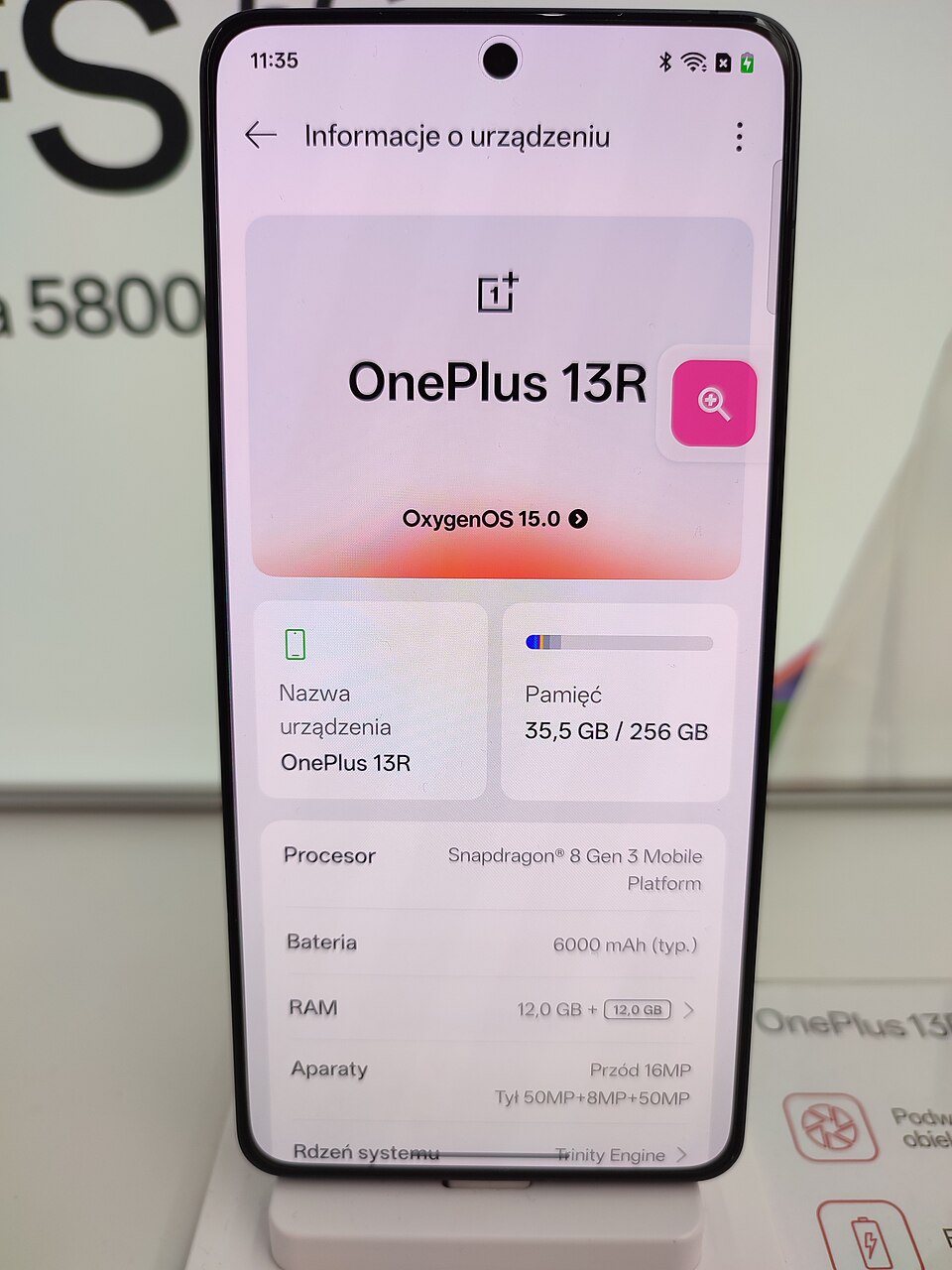
OnePlus built its reputation on "flagship killer" phones that undercut the big names on price without gutting the spec sheet, and the OnePlus 13R is the clearest modern example of that formula. It shares a surprising amount of hardware DNA with the full-price OnePlus 13, but costs meaningfully less — which raises the obvious question: what did OnePlus actually cut to hit that price, and does it matter for how you'll actually use the phone?
What You Keep
The 13R keeps the same overall design language as its more expensive sibling — a large, flat-edged glass-and-metal body with a distinctive circular camera housing — and the in-hand feel is genuinely hard to distinguish from the full-price model without checking the spec sheet. The display is a high-refresh-rate AMOLED panel that's bright, color-accurate, and smooth for everyday scrolling and gaming alike. Battery capacity is generous, and OnePlus's signature fast charging is present here too — a near-empty battery gets back to a meaningful charge in well under 30 minutes with the included charger, which remains one of the most tangible everyday advantages OnePlus phones have over Apple and Samsung.
Where the Cuts Show Up
The processor is a step down from the full 13's top-tier chip — still fast and perfectly capable for everyday multitasking, browsing, social media, and most games at high settings, but it will show its limits sooner in the most demanding new titles at maximum graphics settings, and benchmark-chasers will notice the gap immediately. The camera system is the other clear compromise: the main sensor is solid in good light, but the ultra-wide and secondary lenses are noticeably lower resolution than on the full-price model, and low-light photography shows more noise and softer detail once the sun goes down.
Build materials are the third quiet downgrade — the 13R uses a slightly less premium glass on the back and a plastic mid-frame element instead of metal in some regions, something you'd only notice side-by-side with the full 13.
Software Experience
OnePlus's software (built on Android with the company's own interface layer on top) is clean, fast, and light on bloatware compared to a lot of budget-focused Android skins, and the update policy has improved significantly from OnePlus's earlier years — though it still trails Google's and Samsung's flagship-tier update commitments. For most buyers this won't be a dealbreaker, but if you plan to keep the phone five-plus years, it's worth knowing going in.
Display Deep Dive
The high-refresh-rate AMOLED panel on the 13R deserves its own callout because it's genuinely one of the best displays at this price point rather than a "good enough for the price" panel. Color accuracy out of the box is closer to properly calibrated than most competitors bother with below flagship pricing, peak brightness is high enough to stay readable in direct summer sun, and the adaptive refresh rate does a good job of stepping down to save battery during static content like reading rather than always running at maximum. HDR video playback on supported apps looks noticeably punchier than on cheaper LCD-equipped competitors in the same price bracket.
Gaming Performance in Practice
For the large majority of mobile games — casual titles, most competitive shooters and MOBAs at high-but-not-maximum settings, turn-based and strategy games — the OnePlus 13R handles everything smoothly with no noticeable stutter, and OnePlus's software includes a gaming mode that quiets notifications and prioritizes touch responsiveness during play. Where the step down from the full OnePlus 13's chip shows up is specifically in the newest, most graphically demanding 3D titles pushed to their absolute maximum settings — there you'll want to drop a setting tier or two to maintain a consistently smooth frame rate, something the full-price 13 can push further before needing the same compromise. For the average gamer this distinction won't matter; for competitive players chasing every possible frame, it's worth knowing.
Who Should Actually Buy This
The OnePlus 13R makes the most sense for someone who wants flagship-level speed for daily tasks and best-in-class charging, but doesn't care much about chasing the best possible camera or squeezing out every last frame in the newest mobile games. Compared directly against the Motorola Edge 60 Pro at a similar price point, the 13R wins clearly on charging speed and general snappiness, while the Edge 60 Pro tends to have a slight edge in camera consistency — the right pick really depends on which of those two things matters more to you day to day.
Battery Life and Real-World Endurance
Battery life on the 13R is a genuine highlight rather than just "acceptable for the price." The combination of a large-capacity cell and an efficient display and chipset means most users will comfortably clear a full day of mixed use — messaging, social media, music, browsing, a bit of camera use — with meaningful battery left over at bedtime, and heavier users doing more navigation or video streaming will still typically make it to evening without needing a top-up. Paired with the class-leading charging speed, the practical result is that even on the rare day you do run the battery down early, getting back to a full, comfortable charge takes a fraction of the time it would on an iPhone or a Samsung flagship with more conservative charging speeds.
Verdict
The OnePlus 13R is a genuinely smart buy for anyone who wants 90% of the flagship experience without the flagship price tag. The cuts OnePlus made are real, but they're the right cuts — sacrificing peak camera performance and top-tier gaming benchmarks rather than the things that affect daily use, like build quality, display, and especially charging speed. If your phone budget has a hard ceiling and you still want something that feels fast and premium every single day, the 13R earns its "R" badge, and it remains one of the strongest arguments in the entire Android market for not paying full flagship price to get a genuinely flagship-feeling daily experience, and it's a phone that continues to make sense a year after launch rather than aging awkwardly the moment a newer model ships.