Fast Charging Wattage Explained: What 45W, 90W, and GaN Chargers Actually Mean for Your Phone
Charging wattage numbers on a phone spec sheet look like they should be simple to compare — bigger number, faster charge — but the reality is tangled up in charging protocols, cable ratings, and battery chemistry limits that mean two phones with similar wattage figures can charge at very different real-world speeds. With GaN charger technology now standard across nearly every fast-charging phone brand, and a new USB standard pushing power ceilings dramatically higher, it's worth actually unpacking what these numbers mean rather than just chasing the biggest one on the box.
What's Actually on the Market Right Now
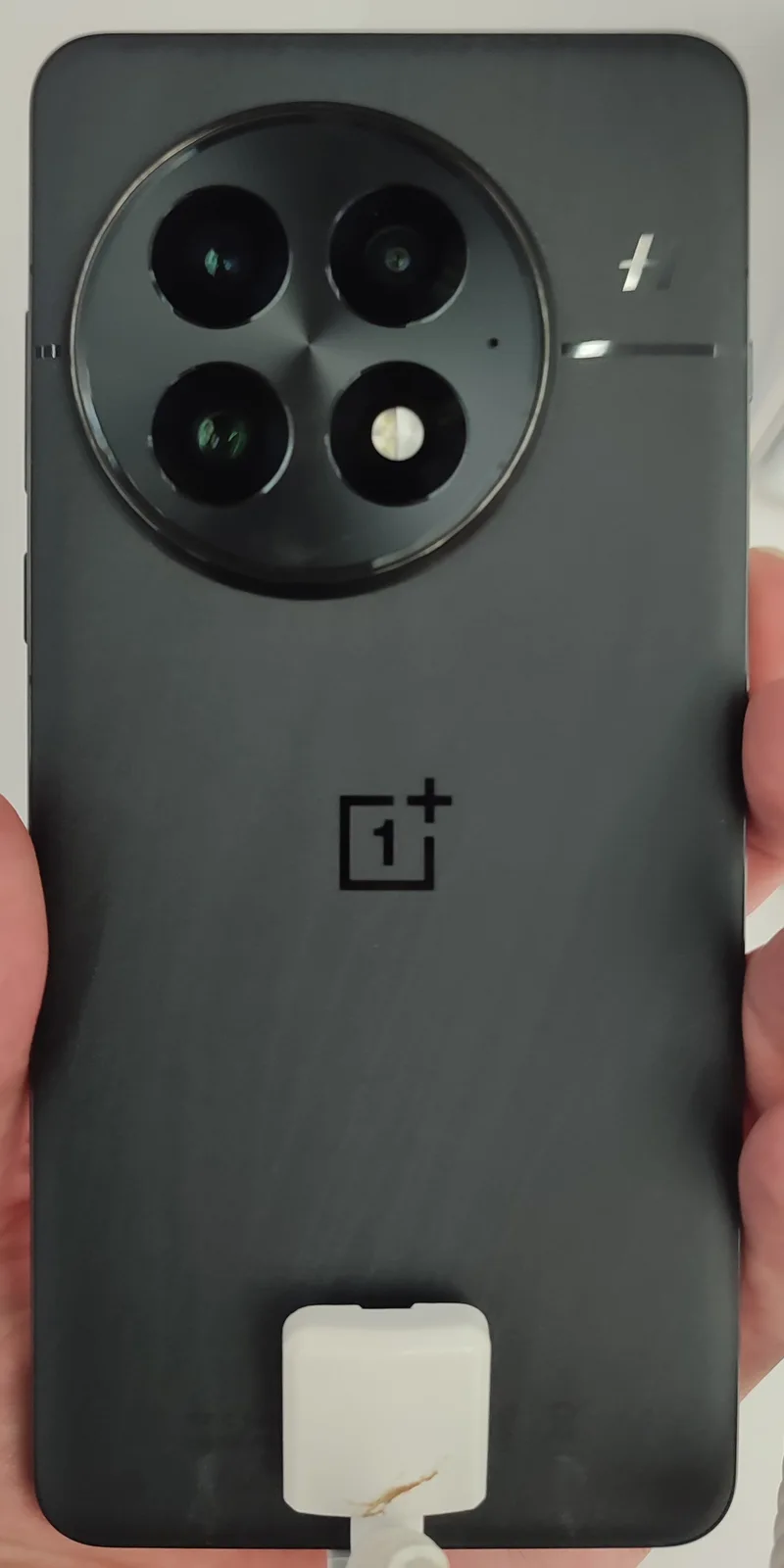
Looking across current flagship and near-flagship phones shows just how wide the spread still is. The OnePlus 13 tops out at 100W wired charging, capable of a full charge in about 36 minutes, alongside 50W wireless charging that can complete a full charge in roughly 75 minutes. The Xiaomi 15 Ultra sits close behind at 90W wired with 50W wireless, and the Motorola Edge 60 Pro also reaches 90W wired, though its wireless charging tops out at a more modest 15W with 5W reverse wired charging for topping up accessories. The OnePlus 13R splits the difference by region, supporting 55W in North America but 80W internationally, a reminder that regional charger and regulatory differences still affect the same phone model.
At the other end of the spectrum, Apple and Google remain comparatively conservative. The iPhone 17 reaches 50% in about 20 minutes with a 40W-or-higher adapter, and the iPhone 18 Pro improves on that with a 60W wired peak reaching 50% in 15 minutes, or 30 minutes via 35W MagSafe wireless. The thinner iPhone Air is the most limited of the current lineup, needing roughly 30 minutes with a 20W+ adapter just to reach the halfway mark. Google's Pixel 10 and Pixel 10 Pro sit in similar territory, at 29W and 30W wired respectively, paired with 15W Qi2 wireless charging. Samsung's Galaxy S25 Ultra charges at 45W wired using its Super Fast Charging 2.0 protocol with PPS support, reaching roughly 50% in 21 minutes and a full charge in about 82 minutes.
Why the Same Wattage Doesn't Always Mean the Same Speed
Peak wattage is a ceiling, not a constant — most phones only sustain their maximum charging rate for a brief window early in the charge cycle, then taper off as the battery fills to protect long-term battery health, which is why a "100W" phone doesn't charge twice as fast start-to-finish as a "50W" one; the gap narrows considerably in the back half of the charge. Battery capacity matters just as much as wattage: a larger battery needs proportionally more power to charge at the same speed, so comparing raw wattage across phones with meaningfully different battery sizes can be misleading without also accounting for capacity.
Charging protocol compatibility is the other hidden variable. A charger's wattage rating only applies if both the charger and the phone support the same negotiation protocol — USB Power Delivery with Programmable Power Supply (PD-PPS) for most Android flagships, or Apple's own fast-charging negotiation for iPhones. Plug a phone into a generic high-wattage charger that doesn't speak its specific protocol, and it will often fall back to a much slower default charging rate rather than hitting its rated peak.
The New Standard Reshaping the Top End: USB PD 3.1 and GaN
The USB Implementers Forum's USB Power Delivery 3.1 specification introduced what's called Extended Power Range, or EPR, which raises the ceiling on USB-C charging from the previous 100W maximum all the way up to 240W by adding new voltage profiles up to 48V. That's primarily aimed at laptops and monitors rather than phones — no phone on the market needs anywhere near that much power — but it matters for phone owners because it's driving a wave of new universal chargers that can comfortably power a phone, a tablet, and a laptop from the same compact adapter.
Making that much power practical in a pocket-sized adapter is where gallium nitride, or GaN, comes in. GaN transistors switch more efficiently than the older silicon designs used in most chargers, which means less power is wasted as heat — allowing a 100W or even 140W charger to fit in a housing roughly the size of an old 30W silicon brick. It's a materials change, not a new charging protocol on its own, but it's the reason today's fast chargers are so much smaller than they were even three or four years ago. One important caveat: EPR charging above 100W requires a cable that's specifically e-marked and rated for EPR use — a standard 100W-rated USB-C cable will simply cap the connection at its own lower rating rather than unlocking the charger's full output.
What This Means When You're Buying a Charger
- Match the charger to your phone's actual supported protocol and peak wattage — buying a 200W charger for a phone that tops out at 45W buys you nothing beyond multi-device convenience.
- If you want to charge a laptop and phone from one adapter, look specifically for USB PD 3.1 EPR support and confirm your cable is rated for the wattage you need, not just the connector type.
- GaN chargers cost more upfront than older silicon ones at the same wattage but run cooler and last longer under heavy daily use, which matters if you're charging multiple devices from one adapter regularly.
- Wireless charging is meaningfully slower than wired across every phone on this list — treat it as a convenience for topping up, not a replacement for a wired charge when you're in a hurry.
Related Reading
We cover the phones with the fastest real-world charging speeds directly, including how they perform outside lab conditions, in our guide to the fastest charging phones you can buy right now. Wireless charging has its own separate standards story, particularly with the rollout of Qi2 to Android devices, which we break down in Qi2 wireless charging comes to Android. And the regulatory side of this — why every phone increasingly ships with the same port regardless of brand — is covered in our piece on how USB-C charging rules are reshaping phones. If raw charging speed is a priority for your next phone, the OnePlus 13's spec sheet is a useful baseline for what 100W wired charging looks like in practice today.
The Bottom Line
Wattage is a useful shorthand, but it's not the whole story — protocol compatibility, cable rating, and battery capacity all shape how fast a phone actually charges in your hand rather than on a spec sheet. GaN hardware and the new EPR standard are making high-wattage charging smaller and more universal, but matching your charger to what your specific phone actually supports still matters more than chasing the biggest number in the store.