Qi2 Wireless Charging Comes to Android: What's Actually Changed
Wireless charging has quietly gone through its biggest upgrade in years, and most of the attention has gone to Apple, since MagSafe effectively became the design template. But 2026 has been the year the rest of the industry caught up in a meaningful way, as Qi2 — the magnetic-alignment successor to the original Qi wireless standard — finally showed up as a real, working feature on a growing list of Android phones rather than a spec-sheet checkbox.
What Qi2 Actually Changes
The original Qi wireless standard let you place a phone on a charging pad roughly in the right spot and hope the coils lined up well enough for efficient charging; if you were off by even a centimeter, charging speed could drop noticeably. Qi2 fixes this by building a magnetic alignment ring directly into the standard, borrowed conceptually from Apple's MagSafe system, so the phone snaps into the correct position every time and maintains full charging speed instead of the inconsistent speeds that plagued older Qi pads. That single change is responsible for most of the real-world improvement people notice when they switch to a Qi2-certified phone and charger combination.
Which Phones Actually Support It
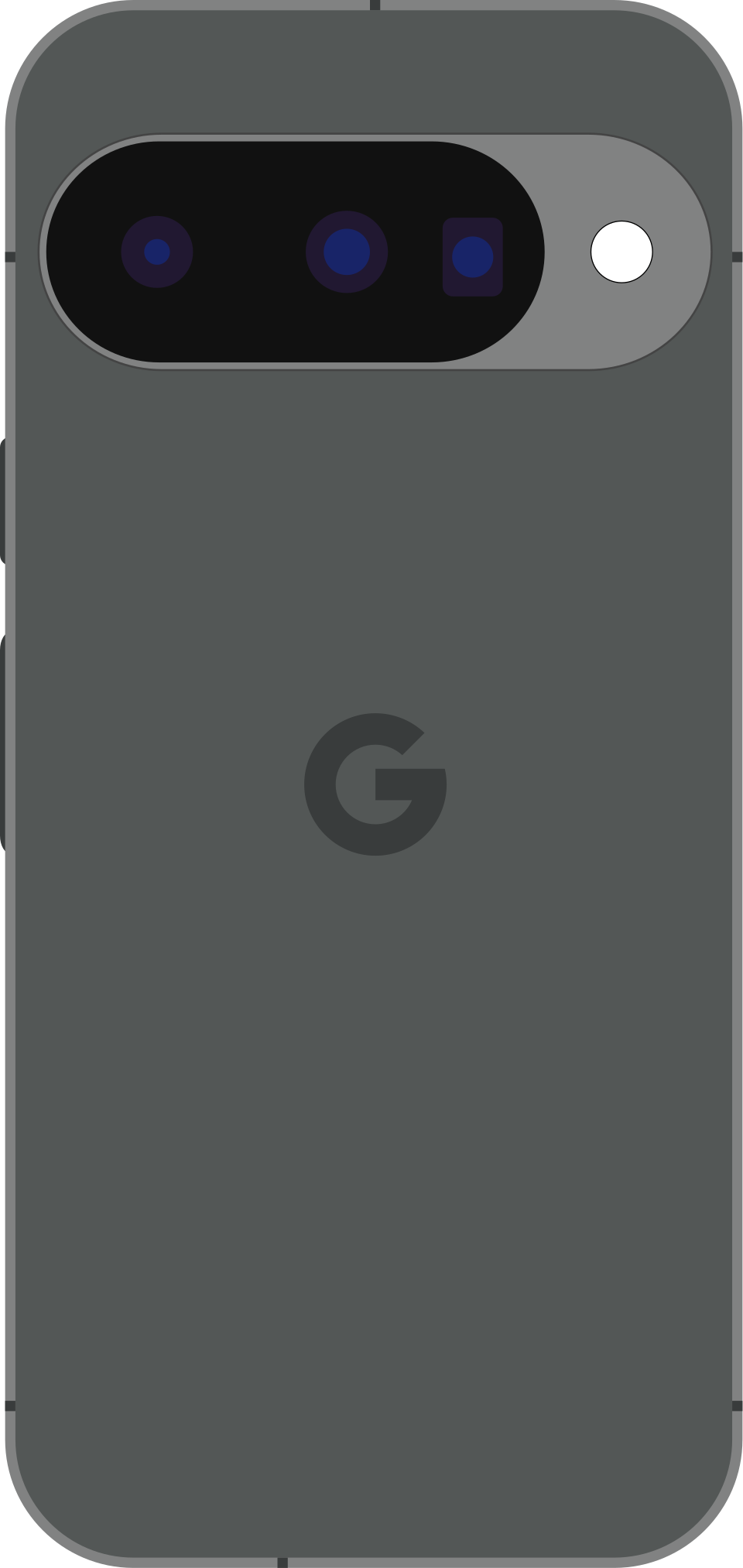
Support has rolled out unevenly. Google's Pixel 10 and Pixel 10 Pro both ship with 15W Qi2 wireless charging built in, putting Google ahead of most of the Android field on this particular feature — we cover exactly how that plays out in daily use in our full Pixel 10 review. Samsung and OnePlus have been slower to adopt native Qi2 magnetic charging, often relying on official cases with embedded magnets to get MagSafe-style snapping rather than building the magnet ring into the phone chassis itself. That's a meaningfully different experience: a case-based solution works, but it depends on you actually using that specific case, and it adds bulk that a built-in solution doesn't.
Why Android Took So Long
Part of the delay comes down to licensing and component costs — building a magnetic ring and the supporting charging circuitry into a phone chassis adds cost and design complexity that manufacturers have to justify against other features competing for the same space and budget inside an increasingly crowded internal layout. Part of it is simply that Apple had a multi-year head start with MagSafe, first as a proprietary feature and later as the basis for the open Qi2 standard, which gave the rest of the industry a target to build toward rather than a problem to solve from scratch. Now that the standard itself is finalized and openly licensable, the remaining holdouts are mostly a matter of when each manufacturer's next hardware refresh lands, not whether they'll eventually add it.
Charging Speed Still Matters More Day to Day
It's worth separating two different things that often get conflated: charging alignment (what Qi2 fixes) and charging speed (which is still all over the map). A phone can have flawless Qi2 alignment and still charge wirelessly at a fairly modest 15W, while the fastest wired charging on the market is pushing well past 100W on some flagships. If your priority is genuinely fast top-ups rather than convenience, wired charging remains the better choice for now — our fastest charging phones guide breaks down which current models lead on wired speed, and the gap between wired and wireless charging speed hasn't meaningfully closed even as Qi2 has improved alignment and consistency.
Accessory Compatibility Is Getting Simpler
One underrated benefit of Qi2 becoming a genuine cross-platform standard is accessory compatibility. A Qi2-certified charging puck, car mount, or power bank now has a reasonable chance of working correctly across an iPhone and a Qi2 Android phone alike, rather than requiring brand-specific accessories for each device you own. That's a meaningful shift for anyone who switches between an iPhone and an Android phone, or who buys accessories as gifts without knowing exactly which phone the recipient uses — a Qi2-labeled product is now a much safer bet than it would have been even a year ago, when "wireless charging compatible" didn't guarantee any particular alignment behavior or charging speed.
What to Look For When Buying
If wireless charging convenience matters to your buying decision, look specifically for "Qi2" or "Qi2 Ready" certification rather than generic "wireless charging" claims on a spec sheet, since the two can behave very differently in practice. Built-in magnetic alignment (rather than a magnetic case add-on) is the more future-proof option if you plan to keep the phone for several years, since it doesn't depend on continuing to use a specific case. And if you're shopping chargers rather than phones, a genuine Qi2-certified charger is worth the modest price premium over an uncertified pad — it's the difference between charging that actually snaps into place at full speed and charging that merely claims to be wireless while quietly underperforming.
The Car Mount Use Case
One place Qi2’s magnetic alignment makes an outsized real-world difference is in the car. A magnetic car mount holds a Qi2 phone securely in place over bumps and hard braking in a way that a friction-grip or clamp mount never quite matches, while also keeping the phone charging reliably for navigation use, which tends to drain a battery quickly thanks to the screen staying on and GPS running continuously. Drivers who have tried both tend to switch to magnetic mounts and stay there, and the arrival of native Qi2 support on more Android phones means that convenience is no longer an iPhone-only perk.
What This Means Heading Into Next Year
Expect Qi2 adoption to keep broadening across the Android lineup over the next product cycle, with built-in magnetic rings becoming standard on flagship tiers first and trickling down to mid-range phones more slowly, following the same pattern most premium features take on their way to becoming table stakes. Charging speed itself is likely to keep improving in parallel, with rumors of higher-wattage Qi2 implementations already circulating, which would finally start closing the gap with wired charging that currently makes wireless feel like a convenience feature rather than a primary charging method for most people. For now, the practical takeaway is straightforward: if convenient, reliable wireless charging is something you actually use daily rather than an occasional nice-to-have, check for genuine Qi2 support before assuming any phone with a wireless charging spec line will deliver the experience you are expecting.