Night Mode and Computational Photography Explained: How Phones Actually Take Better Low-Light Photos
Point almost any current flagship at a dim room or a night sky and it will produce a photo that looks brighter, cleaner, and more detailed than what your eyes actually saw. None of that comes from a bigger sensor collecting more light in a single instant — smartphone sensors are still tiny compared to a real camera's. It comes from computation: the phone takes many photos in rapid succession and merges them using software. Understanding how that process actually works explains why some phones' night photos look dramatically better than others despite similar-looking spec sheets.
The Core Idea: Multi-Frame Stacking
Night mode's foundational trick is multi-frame stacking: instead of one exposure, the camera captures a burst of frames — anywhere from roughly six to eight frames on more conservative implementations up to twenty or more on aggressive ones — over one to several seconds, then aligns and merges them into a single image. Because random sensor noise is different in each frame but the actual scene is the same, averaging the frames together cancels out much of the noise while reinforcing the real detail, producing a cleaner result than any single frame could achieve at the same shutter speed. This is the same basic principle long-exposure photographers have used for decades, just automated and compressed into a couple of seconds instead of minutes.
The frame count is a genuine trade-off, not a simple "more is better" scale. More frames mean more noise reduction and more recoverable shadow detail, but also more processing time, more risk of motion blur or ghosting if anything in the scene moves between frames, and a real chance the shot looks over-processed or unnaturally smooth if the merge algorithm is too aggressive.
Where Manufacturers Genuinely Diverge
This is where phones from different manufacturers stop looking similar. Google has built its camera identity around aggressive computational processing — heavy noise reduction, strong local contrast adjustment, and AI-driven scene recognition that decides how much to brighten shadows versus preserve a dark, moody sky, tuned specifically for its Tensor chip's image processing pipeline. The result tends to be punchy, highly detailed night shots that sometimes look brighter than the actual scene was to the naked eye.
Apple has taken a comparatively more conservative approach, prioritizing images that look closer to what a person remembers seeing rather than maximizing brightness or detail extraction, which is part of why side-by-side night photos from an iPhone and a Pixel can look like different scenes entirely even when shot seconds apart on the same subject. Chinese manufacturers including Xiaomi and OnePlus often sit at the more aggressive end of the spectrum, favoring brighter, more vibrant, high-contrast results that are tuned to look immediately impressive on a phone screen and perform well when shared on social platforms, sometimes at the cost of looking slightly over-processed in flat comparison tests.
Beyond Stacking: What Else Is Actually Happening
Frame stacking is the headline feature, but it's rarely the only thing happening under the hood on a modern flagship. Optical and sensor-shift image stabilization keeps the sensor steady enough between frames that stacking works at all without a tripod — without it, hand tremor alone would blur a multi-second capture into uselessness. Semantic segmentation, where the phone's software identifies "this region is sky," "this region is a face," or "this region is a light source," lets processing apply different amounts of noise reduction and brightening to different parts of the same photo rather than one blanket adjustment, which is why a night portrait can have a smooth, brightened face while the background sky stays realistically dark. And on-device machine learning models, increasingly running on dedicated neural processing silicon rather than the general CPU, handle scene classification and exposure decisions fast enough to preview a close approximation of the final image before the shutter is even pressed, rather than requiring a long post-capture wait.
Astrophotography Modes: The Extreme End
Some flagships now offer dedicated astrophotography modes that push the same stacking principle much further — capturing dozens of long exposures over several minutes with the phone held on a tripod or flat surface, then stacking and aligning star fields to reveal detail invisible to a standard night mode. These modes are a genuine showcase of computational photography's ceiling: a smartphone sensor that's physically incapable of a true long exposure without motion blur can still produce a recognizable starfield photo, entirely through software compensating for what the hardware alone cannot do. It's a niche feature most owners will use rarely if ever, but it's a useful proof point for how much of "camera quality" on a modern phone is genuinely a software achievement rather than a hardware one.
Why Megapixels and Sensor Size Tell an Incomplete Story
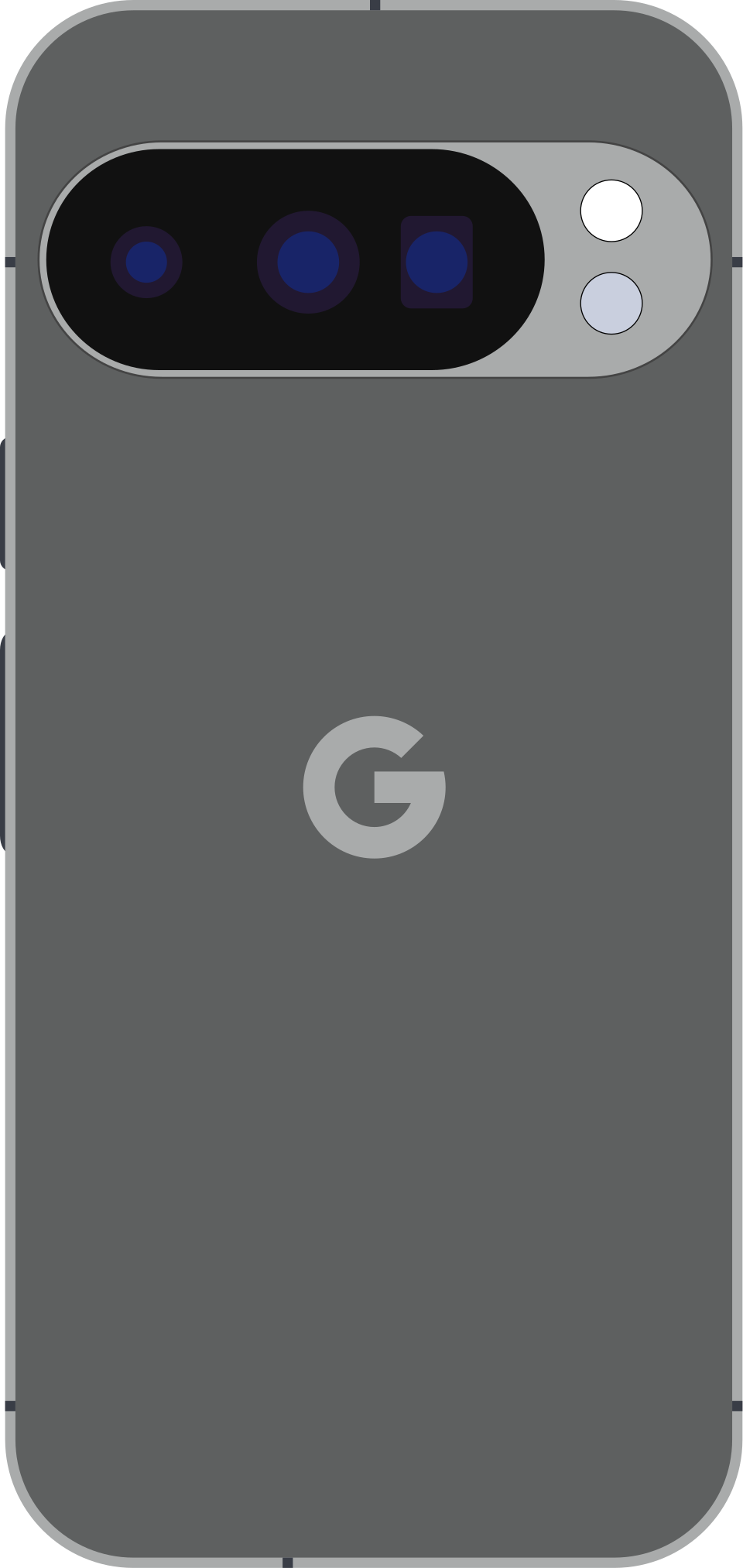
All of this is a big part of why comparing phones purely on megapixel count or sensor size, without accounting for the processing pipeline behind them, is misleading — our deep dive on megapixels and sensor size covers the hardware side of this in more detail, but the honest summary is that two phones with nearly identical sensors can produce dramatically different night photos purely because of how aggressively and intelligently each one processes the raw data. If low-light photography specifically matters to your buying decision, our current best camera phones guide and zoom camera phones roundup both factor real-world night performance into their picks rather than relying on spec sheets alone, and the Pixel 10 Pro remains one of the clearer examples of an aggressive, Google-tuned computational pipeline in action.
What to Actually Look For When Comparing Phones
Since raw specs don't tell the full story, the most reliable way to judge night-mode quality before buying is to look at unedited sample photos from independent reviewers shot in genuinely dim, real-world conditions — not manufacturer marketing shots taken in ideal lighting — and to pay attention to whether reviewers note ghosting on moving subjects, over-smoothing on skin and textures, or unnatural-looking sky brightening, since those are the tells of an overly aggressive stacking algorithm rather than a genuinely well-tuned one.
The Bottom Line
Modern phone night photography isn't one feature, it's a pipeline: frame stacking for noise reduction, stabilization to make the stacking possible, semantic segmentation to process different parts of a scene differently, and on-device AI to make exposure decisions in real time. The manufacturers that lead in low-light photography lead because they've tuned that whole pipeline well, not because they packed in a bigger sensor — which is exactly why two phones with similar-looking camera specs can produce such different-looking night shots.