Unlocked Doesn't Mean Universal: Carrier Band Compatibility and VoLTE Explained
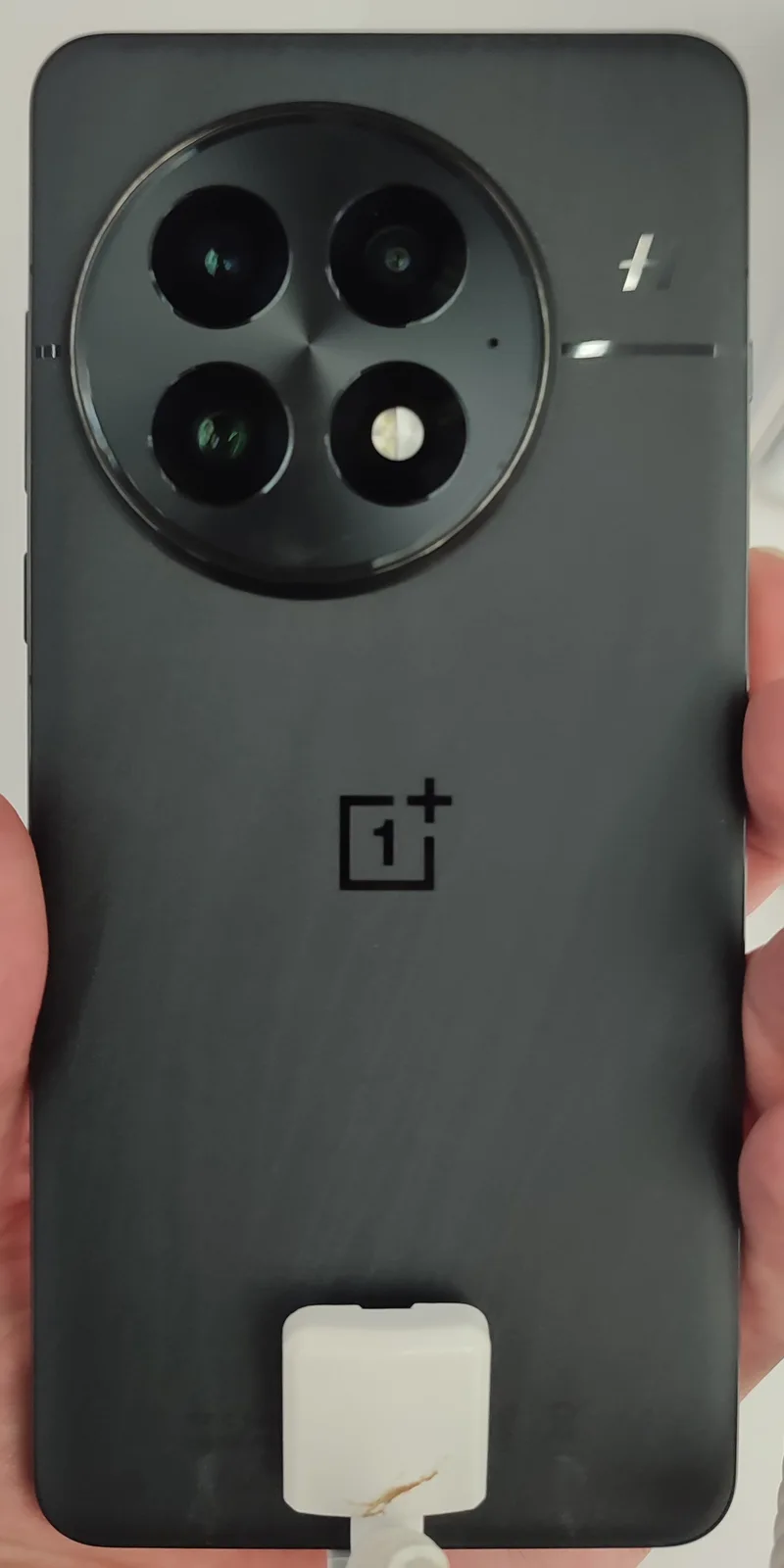
"Unlocked" is one of the most misunderstood words in phone shopping. It describes a software state — a phone not tied to a specific carrier's SIM lock — and says nothing at all about whether that phone's radio hardware can actually talk to the towers of the network you want to use it on. Plenty of buyers have learned this the expensive way, importing or buying an unlocked phone that turns on, shows full signal bars, and still can't make a phone call.
Unlocked Is a Software Status, Not a Compatibility Guarantee
A phone being unlocked simply means it will accept a SIM card from any carrier rather than rejecting every SIM except the one from the carrier that originally sold it. Whether the phone actually works well — or at all — on that carrier depends on a separate and less visible factor: whether its modem and antenna hardware support the specific radio frequency bands that carrier uses in your area. A phone can be fully unlocked and still deliver degraded data speeds, spotty coverage, or a complete inability to place calls on a network whose key bands it wasn't built to support.
Why 3G Shutting Down Changed the Calculus
For years, phones that lacked full 4G/5G band support for a given carrier could still fall back to that carrier's 3G network for basic voice calls, papering over data speed gaps. That safety net is gone. AT&T and Verizon completed their 3G network shutdowns, and Canadian carrier Telus followed with its own shutdown in 2025, meaning phones without VoLTE support — Voice over LTE, which carries phone calls over 4G/5G data connections instead of a legacy voice network — simply cannot make or receive calls on these networks at all, regardless of how strong the data signal looks. VoLTE isn't automatic just because a phone supports the right frequency bands, either: carriers maintain their own certified device lists, and a phone needs both the correct radio hardware and carrier-specific software certification to be recognized as VoLTE-capable on that network.
The Bands That Actually Matter in the US
Each major US carrier relies on a different core set of frequency bands, and while newer phones increasingly support a broad combined list, budget models, regional variants, and imported phones frequently cut bands to reduce cost or because they were designed for a different market. Roughly: imported and grey-market phones most commonly run into trouble here, since a phone built for European or Asian markets may simply lack the specific mid-band 5G frequencies a US carrier relies on for coverage in a given city. T-Mobile leans heavily on bands 12, 66, and 71 (including its low-band n71 5G, a major part of its rural coverage strategy); AT&T prioritizes bands 12, 14, 17, and 29; Verizon depends on bands 2, 4, 13, and 66, along with C-band 5G (n77) in urban areas. A phone missing the low-band frequencies a carrier uses for rural and in-building coverage can still show a signal indoors in a dense city while struggling badly in a basement, a rural area, or the edge of a coverage map.
How to Actually Check Before Buying
The only reliable method is cross-referencing a specific phone model's published band list against your carrier's own device compatibility documentation — not against a generic "5G" or "unlocked" marketing label. Carriers publish their supported and preferred band lists, and most phone manufacturers list supported bands (often broken out by region or model number, since the same phone name can ship with different modems in different markets) in the full technical specifications, not the headline spec sheet. For anyone buying a phone specifically to use with an unlocked, cross-carrier plan — as opposed to buying directly from a carrier, where compatibility is guaranteed — checking VoLTE certification status for that exact model and carrier combination before purchase avoids the worst-case outcome of a phone that can browse the web but can't make a phone call.
Dual-SIM and Travel Adds Another Layer
The band compatibility question gets more complicated for anyone using dual-SIM or dual-eSIM setups, or frequent international travelers relying on eSIM-only phones for local data plans abroad. A phone can support full band compatibility for calls and data with a home carrier while having far more limited band support for a secondary international eSIM profile, since global band support varies enormously by phone model and region variant even within a single manufacturer's lineup. Wi-Fi Calling is a partial safety net in this scenario — it routes voice calls over a Wi-Fi connection instead of the cellular network entirely — but it isn't a substitute for proper band and VoLTE support when you're away from reliable Wi-Fi.
The Same Model Number Doesn't Always Mean the Same Radio
One of the least understood traps in this whole picture is that a single phone model name can ship with genuinely different internal hardware depending on the region it was built for. Manufacturers frequently sell what's marketed as the same phone with different modem chips or antenna configurations across North America, Europe, and Asia, tuned to the band priorities of each region's dominant carriers. A phone imported from a market where mid-band 5G wasn't a priority can arrive with a modem that technically supports fewer of the bands a US carrier depends on, even though the box, software, and model number look identical to the domestic version. This is a big part of why checking a used or imported phone's exact IMEI and regional model number before buying matters as much for network compatibility as it does for verifying the phone isn't blacklisted — two phones sold under the identical marketing name can have meaningfully different real-world compatibility depending purely on which factory configuration they came from — two phones sold under the identical name can have meaningfully different real-world compatibility depending purely on which factory configuration they came from.
The Bottom Line for Buyers
"Unlocked" tells you a phone is legally and technically free to accept any SIM. It does not tell you whether that phone was engineered with the right radios for the network you actually plan to use. Before buying an unlocked or imported phone specifically to bring to a US carrier, checking that model's exact frequency band list and VoLTE certification against that carrier's published compatibility documentation is the single step most likely to prevent a frustrating and often non-refundable mistake.