Pixel 10 vs OnePlus 13: Google's AI Camera vs OnePlus's Raw Speed
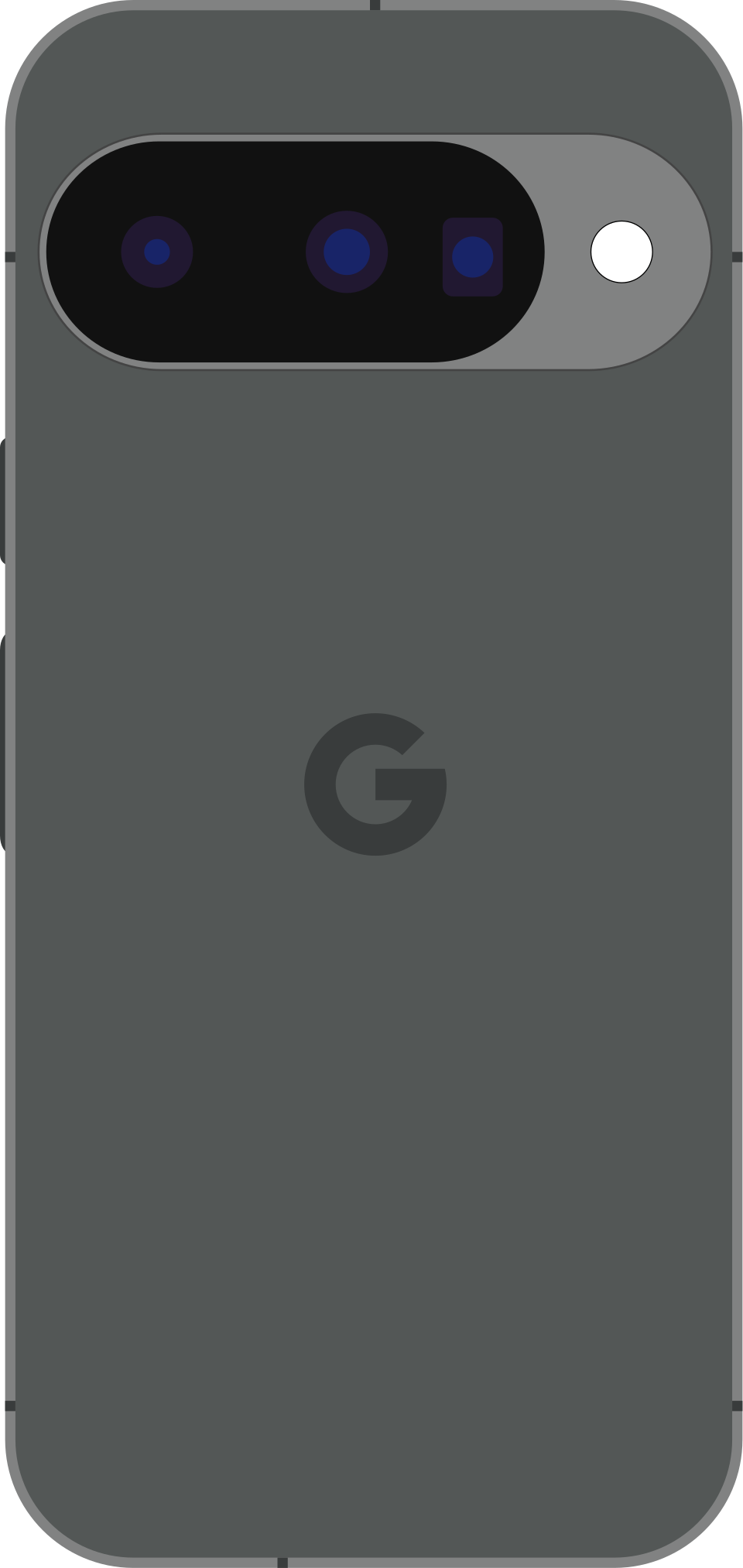
Google's Pixel 10 and OnePlus's OnePlus 13 represent two genuinely different philosophies for what a $800-ish flagship should prioritize. Pixel leans hard into computational photography and on-device AI as the reason to buy; OnePlus leans into raw silicon performance, battery capacity, and charging speed. Both are excellent phones, but they're excellent at different things, and the right pick depends heavily on which of those priorities actually matches how you use a phone.
Chipset and Performance
This is the OnePlus 13's clearest advantage. It runs Qualcomm's Snapdragon 8 Elite, a top-tier 3nm chipset, paired with up to 24GB of RAM in its highest configuration — a genuinely enormous amount of memory that goes well beyond what typical phone use requires today, but which OnePlus positions as future-proofing and multitasking headroom. The Pixel 10 runs Google's own Tensor G5 instead, which is Google's fifth-generation custom silicon, paired with 12GB of RAM. Tensor chips have never chased raw benchmark leadership the way Snapdragon flagships do; they're designed first around efficiently running Google's on-device AI models, with general CPU and GPU performance treated as a secondary priority. If your primary use case is gaming or heavy multitasking, the OnePlus 13's Snapdragon 8 Elite is the meaningfully faster chip in raw terms — our Snapdragon 8 Elite phones compared guide shows how that chipset performs across several different phones.
Camera Systems: Different Strengths
The Pixel 10's camera hardware — a 48MP wide, 13MP ultrawide, and 10.8MP 5x telephoto — isn't dramatically more impressive on paper than OnePlus 13's 50MP main, 50MP periscope telephoto (also 3x), and 50MP ultrawide array. What separates them is processing. Google's computational photography pipeline, built up over nearly a decade of Pixel-specific tuning, consistently produces some of the most reliable, true-to-scene photos of any phone on the market, particularly in tricky lighting and for portrait shots, as we cover in depth in our full Pixel 10 review. OnePlus 13's camera system, backed by its long-running Hasselblad color science partnership, leans toward punchier, more vivid processing out of the box, which many buyers prefer at a glance even when Pixel's output is technically more accurate. Neither approach is objectively "better" — it's a genuine stylistic difference worth judging with your own eyes rather than by spec sheet alone.
Battery and Charging: No Contest
Here OnePlus wins decisively. The OnePlus 13 packs a 6000mAh silicon-carbon battery with 100W wired charging that takes the phone from empty to full in about 36 minutes, plus 50W wireless charging — numbers that remain near the top of the entire phone market, flagship or otherwise. The Pixel 10's 4970mAh battery and 29W wired charging are comparatively modest, and while Pixel's software-level power efficiency helps close some of that real-world gap, OnePlus's combination of bigger battery and dramatically faster charging is the more decisive advantage on paper. Anyone who regularly runs a phone down to empty during a long day, or who hates waiting around for a charge, will notice this difference immediately. Our fastest charging phones guide has the OnePlus 13 near the top of the field.
Software and AI Features
This is where Pixel pulls back ahead for a specific kind of buyer. Google ships Pixel-exclusive AI features first and most completely — real-time call screening, advanced photo editing tools like Magic Editor, and deep Gemini integration across the OS — since Google controls both the hardware and the AI models running on it. OnePlus's OxygenOS software is fast, clean, and well-regarded in its own right, and increasingly includes its own AI features, but it's still playing catch-up to what Google builds specifically for its own hardware first. If cutting-edge on-device AI features are a genuine priority rather than a marketing checkbox for you, Pixel currently has the stronger, more mature offering.
Update Support
Pixel phones receive Android's newest version on day one, every year, and Google has extended long-term OS and security update commitments on recent Pixel generations well beyond what was standard a few years ago. OnePlus has improved its update track record considerably in recent years but still typically trails Google's rollout by weeks to months for major Android version upgrades. If keeping a phone for four-plus years while staying current on software matters to you, that's a real point in Pixel's favor, independent of any single feature comparison.
Price and Value
Pixel 10 generally undercuts the OnePlus 13 at comparable storage tiers, positioning itself as the more accessible flagship-tier option, while OnePlus 13 asks a bit more but backs it up with faster charging, a bigger battery, and a more powerful chipset. Neither is a bad value; they're simply optimized for different buyers. For a side-by-side look at how Pixel's two current models compare to each other first, our Pixel 10 vs Pixel 10 Pro comparison is a useful companion read before deciding which Pixel tier, if any, fits your budget.
Which Should You Actually Buy
Choose the Pixel 10 if computational photography, on-device AI features, and guaranteed fast software updates are what you actually value in a phone day to day, and you can live with merely adequate charging speed and battery life. Choose the OnePlus 13 if raw performance, battery endurance, and genuinely fast charging matter more to you than being first in line for every new Android AI feature. Both are excellent phones near the same price point; the deciding factor really is which set of trade-offs matches your actual daily habits rather than which phone wins more spec-sheet categories on paper.
Full specs for both phones are available on the Pixel 10 and OnePlus 13 product pages.
Design and Build
Both phones stick to a fairly conventional flat-sided slab design with a glass front and back, though they land at noticeably different weights and dimensions. The Pixel 10, at 204g and built around a 6.3-inch display, is the more compact and pocketable of the two. The OnePlus 13 is larger and heavier at 210-213g with a 6.82-inch display, reflecting its bigger battery and its positioning as a more traditional large-screen flagship. Neither design choice is objectively better, but if one-handed comfort matters more to you than screen real estate, that size gap is worth handling both phones in person before deciding, since a spec sheet numbers alone under-communicate how different a 6.3-inch and a 6.82-inch phone actually feel day to day in a pocket or a single hand.